Quote · Added 14 February 2026
My country is the world, and my religion is to do good.
Thomas PaineRights of Man, 1792
Filed underworld·goodness·inclusivity
Quote · Added 14 February 2026
Filed underworld·goodness·inclusivity
There's something quietly radical about refusing to let nationality or doctrine narrow your sense of who deserves your care. Most of us grow up learning that loyalty has layers—your family first, then your country, then maybe everyone else. Paine flips this: he's saying the whole world is home, and the only real creed worth following is the simple practice of helping others. It sounds utopian until you notice how many times we stop ourselves from acting because someone falls outside our "in-group."
Today, when we can instantly connect with someone on another continent or read about a crisis halfway across the globe, Paine's idea feels less like idealism and more like realism. Compassion doesn't have a passport. Neither does the capacity to do harm or good. The surprising part isn't that he valued helping people—most of us do. It's that he saw this as enough, as a complete worldview, needing no flag or scripture to justify itself. That's worth sitting with, especially when we feel pulled between competing loyalties or wonder if we're "supposed" to care about distant struggles. His point is simpler: if it's good to do, the fact that it helps someone matters more than the map.
1737–1809·lived 72 years
Thomas Paine was an English-born American political activist, philosopher, and revolutionary. He is best known for his influential pamphlet "Common Sense," which advocated for American independence from British rule. Paine's writings and ideals played a significant role in shaping the American Revolution and promoting democratic governance.
Also by Thomas Paine
If there must be trouble, let it be in my day, that my child may have peace.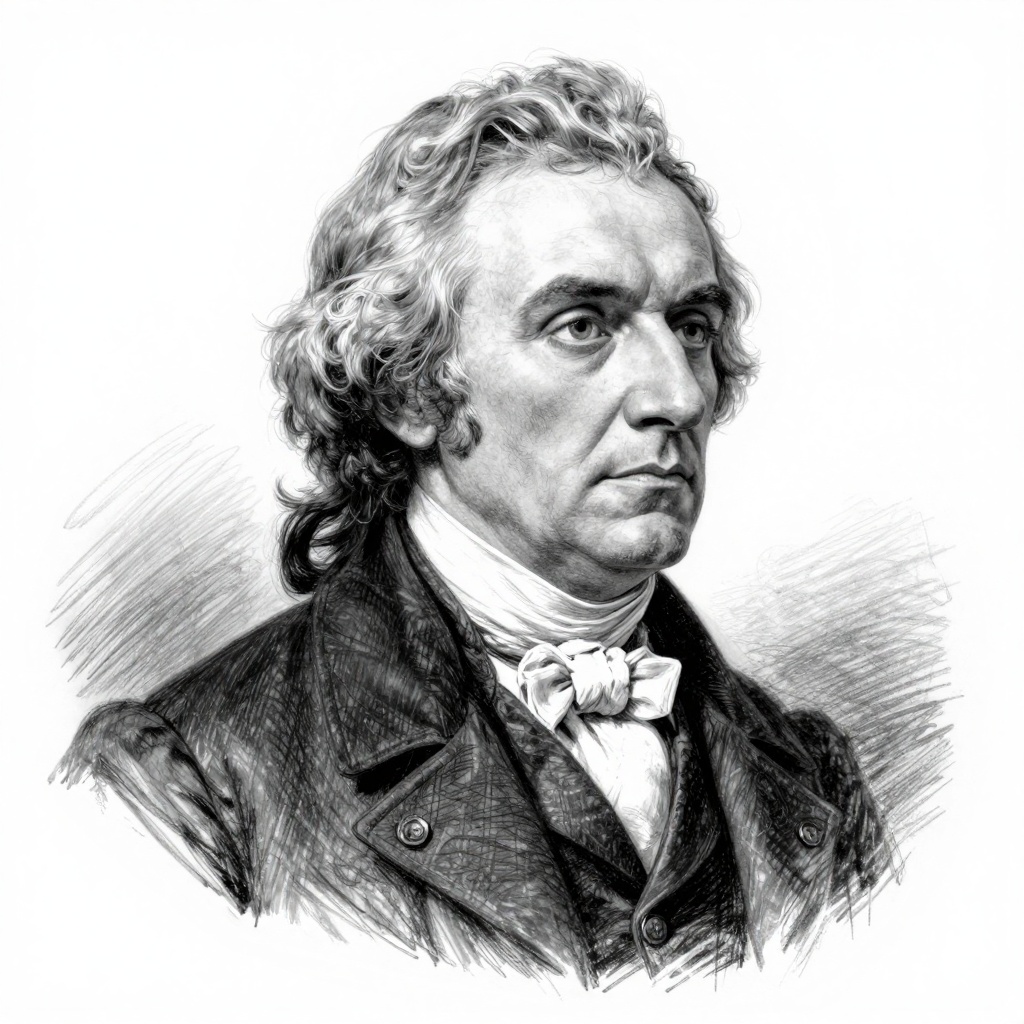
Comments