Quote · Added 14 February 2026
I prefer peace. But if trouble must come, let it come in my time, so that my children can live in peace.
Thomas PaineThe American Crisis, #1, December 1776
Quote · Added 14 February 2026
There's a quiet heroism in choosing your own battlefield instead of letting circumstances choose for you. This isn't about being reckless—it's about the difference between passive suffering and active sacrifice. When you face a hard conversation now instead of letting resentment fester, or when you tackle a difficult project yourself rather than leaving it as a mess for others, you're making the same calculation Paine was. You're compressing struggle into a manageable moment so that the people who come after you don't inherit chaos.
The tricky part is knowing when you're actually being responsible versus just taking on other people's problems prematurely. Sometimes we rush into conflict thinking we're being noble, when really we're just anxious. But the core insight holds: there's a difference between peace that comes from avoiding problems and peace that comes from solving them. One is temporary and fragile. The other is earned.
This resonates today because we live in a culture that tries to have it both ways—we want everything resolved immediately but also want to avoid all friction. Paine's wisdom suggests that's not possible. The real inheritance we leave isn't just physical, it's psychological. Do we pass on a world where problems are addressed or deferred? The choice, more often than we'd like to admit, is ours to make.
1737–1809·lived 72 years
Thomas Paine was an English-born American political activist, philosopher, and revolutionary. He is best known for his influential pamphlet "Common Sense," which advocated for American independence from British rule. Paine's writings and ideals played a significant role in shaping the American Revolution and promoting democratic governance.
Also by Thomas Paine
If there must be trouble, let it be in my day, that my child may have peace.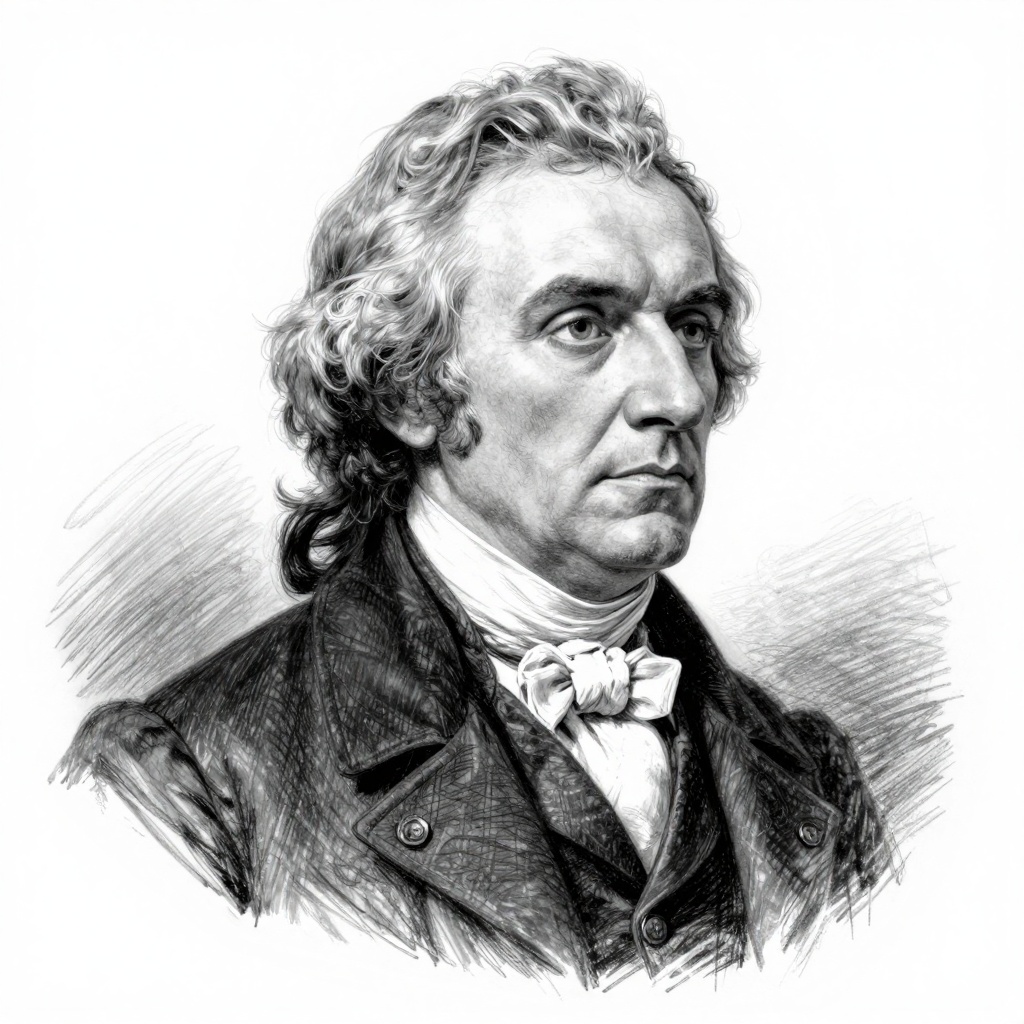
Comments