Quote · Added 15 February 2026
Reading
AI generatedTaking trouble so others find peace
There's something almost defiant about this statement—the idea that you'd volunteer to absorb the hard stuff so the next generation doesn't have to. It captures a version of parenting, or mentorship, or even citizenship that feels increasingly rare: the willingness to be inconvenienced today for someone else's tomorrow.
Most of us experience this in smaller ways than Paine probably intended. You work the harder job so your kids can study. You stay up worrying about a problem instead of passing the stress along. You speak up about something uncomfortable because you know it'll matter later, even if it complicates things now. There's real sacrifice in that choice, but also a kind of clarity—you're trading present comfort for future possibilities you'll never fully see.
The tricky part is that this logic can become a trap. Some people use it to justify overgiving or never asking for help, as if suffering nobly is the highest good. But Paine's point isn't about martyrdom exactly. It's about recognizing that choices ripple forward, and sometimes the most grounded thing you can do is take on the difficulty yourself, knowing someone won't have to later. That's not burden—that's love with a long view.
The author
All 10 quotes by Thomas Paine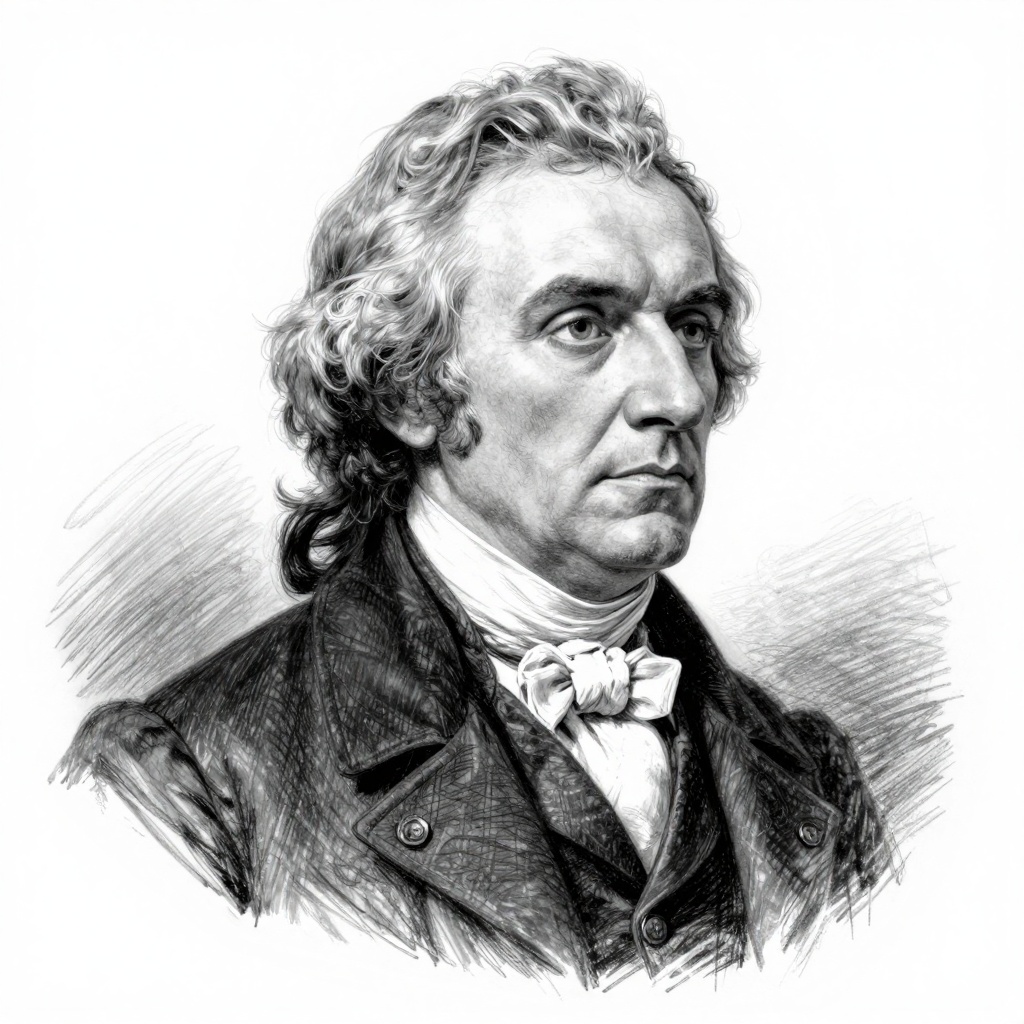
Thomas Paine
1737–1809·lived 72 years
Thomas Paine was an English-born American political activist, philosopher, and revolutionary. He is best known for his influential pamphlet "Common Sense," which advocated for American independence from British rule. Paine's writings and ideals played a significant role in shaping the American Revolution and promoting democratic governance.
Comments