Quote · Added 8 July 2026
A peaceful man must still know violence, or his peace belongs to whoever threatens it.
Miyamoto MusashiThe Book of Five Rings, 1645
No ratings yet
Quote · Added 8 July 2026
There's a hard truth buried here that most of us prefer to ignore. We like the idea of being peaceable, non-confrontational people—and maybe we are—but that peace only holds if we're willing to defend it. It's not about being aggressive or looking for fights. It's about recognizing that genuine peace isn't the absence of conflict; it's the ability to handle it if it comes.
Think about the moments when you've actually stood your ground—pushed back against someone taking advantage, said no to pressure, or walked away from a bad situation on your own terms rather than being forced out. That's what Musashi means. A person without any capacity to engage with conflict becomes dependent on others' goodwill. They're peaceful because they have no choice, which is really just vulnerability wearing a calm mask. Real peace comes from strength, not weakness.
The non-obvious part: this doesn't mean you need to fight often or be physically tough. Understanding boundaries, having the nerve to disappoint people, being willing to lose something you value to protect something you value more—these are all forms of "knowing violence." They're the backbone that lets genuine peace exist. Without them, you're not peaceful. You're just compliant.
1584–1645·lived 61 years
Miyamoto Musashi was a Japanese swordsman, philosopher, and strategist, renowned for his unique double-bladed swordsmanship and undefeated record in his 61 duels. Born in 1584, he is best known for his classic text on strategy, "The Book of Five Rings," which outlines his martial arts philosophy and techniques. Musashi's influence extends beyond martial arts into Japanese culture, making him a legendary figure in samurai history.
Also by Miyamoto Musashi
Even a peaceful person should know what violence is when necessary. Otherwise, the peace t...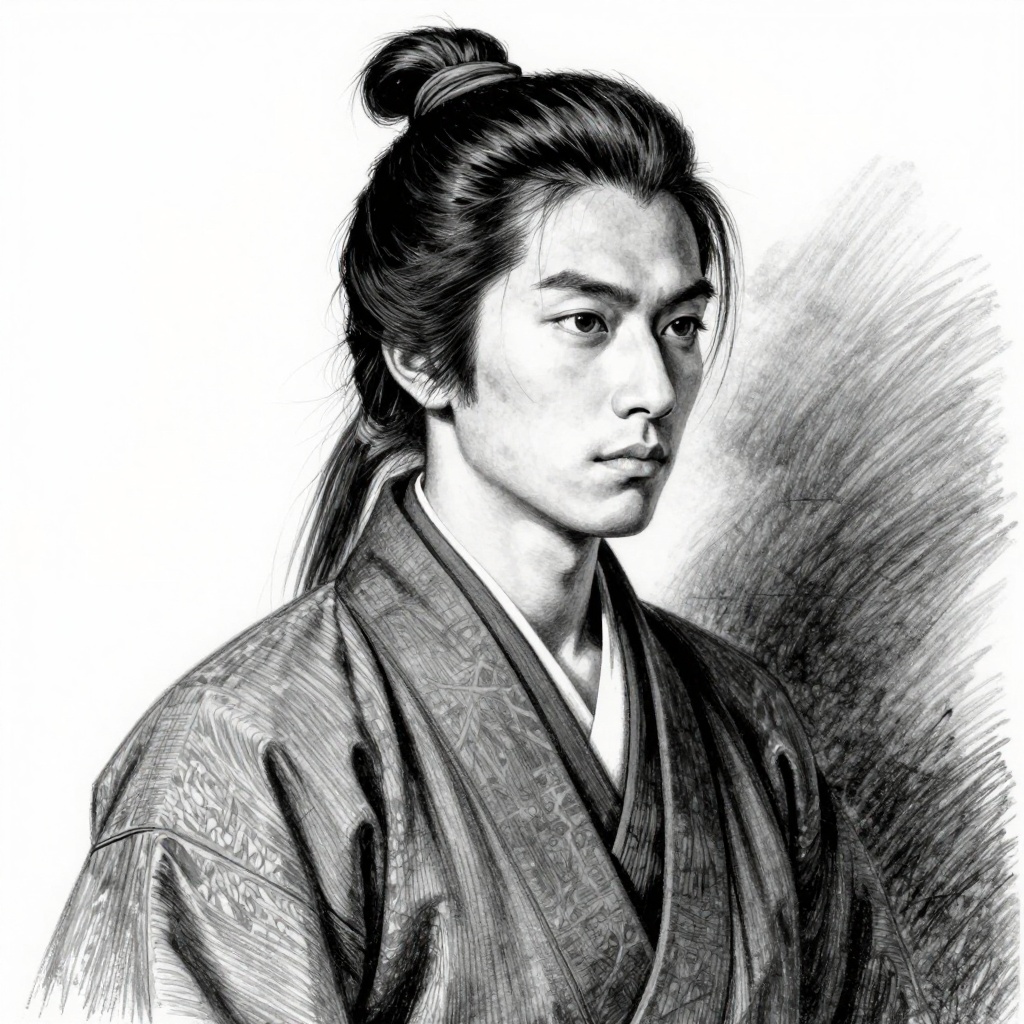
Comments