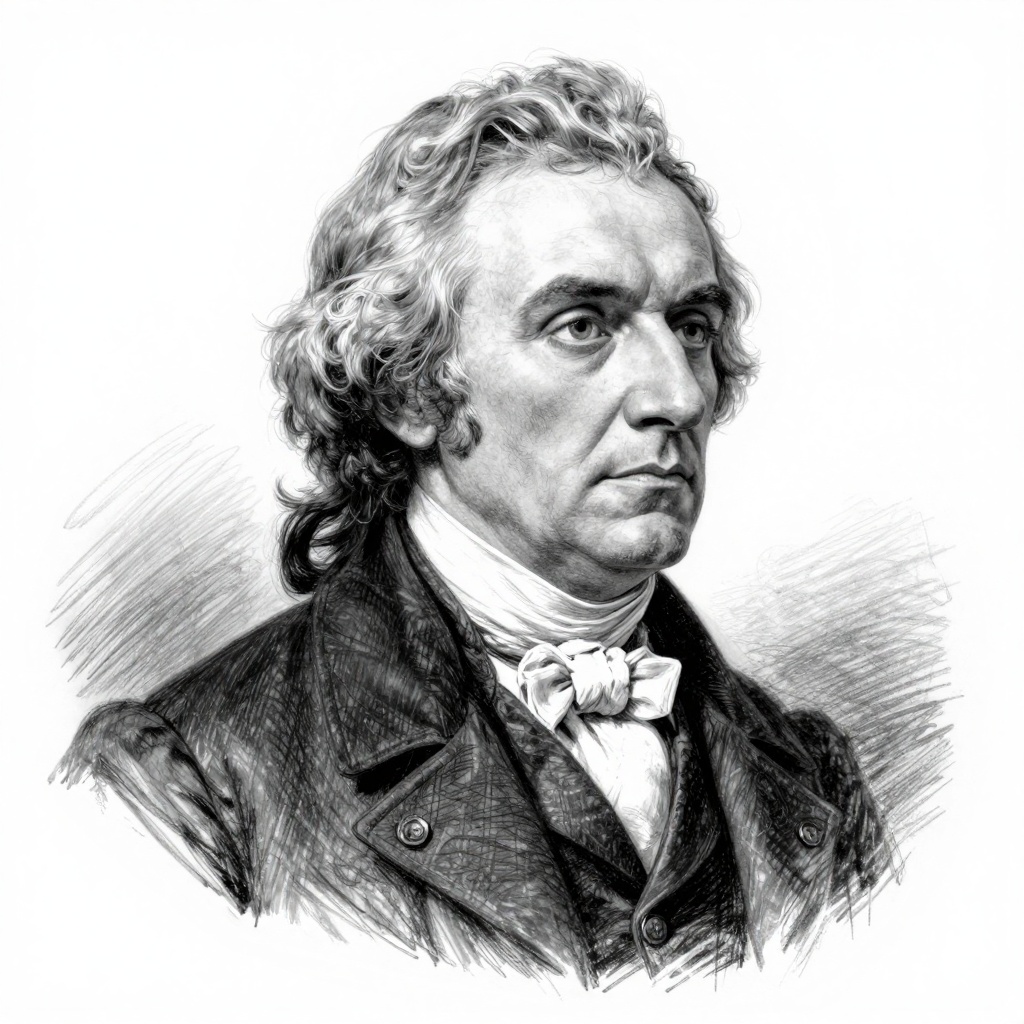
A thing moderately good is not so good as it ought to be. Moderation in temper is always a virtue; but moderat... — Thomas Paine

A thing moderately good is not so good as it ought to be. Moderation in temper is always a virtue; but moderation in principle is always a vice.

Author: Thomas Paine

Insight: There's a tension baked into modern life that this quote hits hard. We're taught to be moderate about everything—moderate ambition, moderate passion, moderate conviction. It sounds wise. But Paine is pointing out something crucial: some things don't benefit from restraint. If you believe something matters, halfhearted commitment to it is actually worse than honest indifference. Think about what you care about—whether it's your work, a relationship, a cause, or a skill you're developing. Moderate effort usually produces moderate results, which leaves you perpetually unsatisfied. You haven't failed enough to learn, but you haven't committed enough to succeed. Meanwhile, moderation in how you handle conflict or disappointment—staying calm, listening, not letting ego hijack your judgment—that's almost always the right move. The real insight is that moderation isn't a universal virtue. It depends entirely on what you're moderating. Half-believed ideas lead to weak action and wasted potential. But measured temperament in how you pursue those ideas? That's what actually gets things done. The problem isn't passion or conviction. It's passion without discipline, or conviction without patience.

Conviction needs fire, not caution

A thing moderately good is not so good as it ought to be. Moderation in temper is always a virtue; but moderation in principle is always a vice.

There's a tension baked into modern life that this quote hits hard. We're taught to be moderate about everything—moderate ambition, moderate passion, moderate conviction. It sounds wise. But Paine is pointing out something crucial: some things don't benefit from restraint. If you believe something matters, halfhearted commitment to it is actually worse than honest indifference.

Think about what you care about—whether it's your work, a relationship, a cause, or a skill you're developing. Moderate effort usually produces moderate results, which leaves you perpetually unsatisfied. You haven't failed enough to learn, but you haven't committed enough to succeed. Meanwhile, moderation in how you handle conflict or disappointment—staying calm, listening, not letting ego hijack your judgment—that's almost always the right move.

The real insight is that moderation isn't a universal virtue. It depends entirely on what you're moderating. Half-believed ideas lead to weak action and wasted potential. But measured temperament in how you pursue those ideas? That's what actually gets things done. The problem isn't passion or conviction. It's passion without discipline, or conviction without patience.

AI generated

Comments

Sign in to leave a comment or reply to one.

Sign in

Thomas Paine

Thomas Paine was an English-born American political activist, philosopher, and revolutionary. He is best known for his influential pamphlet "Common Sense," which advocated for American independence from British rule. Paine's writings and ideals played a significant role in shaping the American Revolution and promoting democratic governance.

Graph

Related