Quote · Added 14 February 2026
Reputation is what men and women think of us; character is what God and angels know of us.
Thomas PaineThe Age of Reason, p. 85, 1794
Filed underreputation·character·perception
Quote · Added 14 February 2026
Filed underreputation·character·perception
We live in an age where reputation feels like everything. Your online presence, what people say about you, whether you're seen as competent or kind or interesting—these things shape actual opportunities and relationships. So it makes sense that we obsess over them. But this quote nudges at something we often ignore: there's a gap between the person others think you are and the person you actually are when no one's watching.
Reputation is performative by nature. It's curated, influenced by context, and vulnerable to misunderstanding or bad luck. You might be seen as confident when you're terrified, or selfish when you're actually protecting yourself wisely. Character, though, is what remains in the quiet moments—how you treat people who can't help you, what you do when there's no applause or judgment waiting. It's the difference between seeming honest and actually being honest.
The modern twist? We've become so focused on managing our reputation that we sometimes neglect our character. We craft the right image, say the right things, but internally we're compromising or being unkind in ways no algorithm can measure. The real friction point isn't between what others think and what God thinks—it's between who we're becoming through our daily choices and who we're pretending to be.
1737–1809·lived 72 years
Thomas Paine was an English-born American political activist, philosopher, and revolutionary. He is best known for his influential pamphlet "Common Sense," which advocated for American independence from British rule. Paine's writings and ideals played a significant role in shaping the American Revolution and promoting democratic governance.
Also by Thomas Paine
If there must be trouble, let it be in my day, that my child may have peace.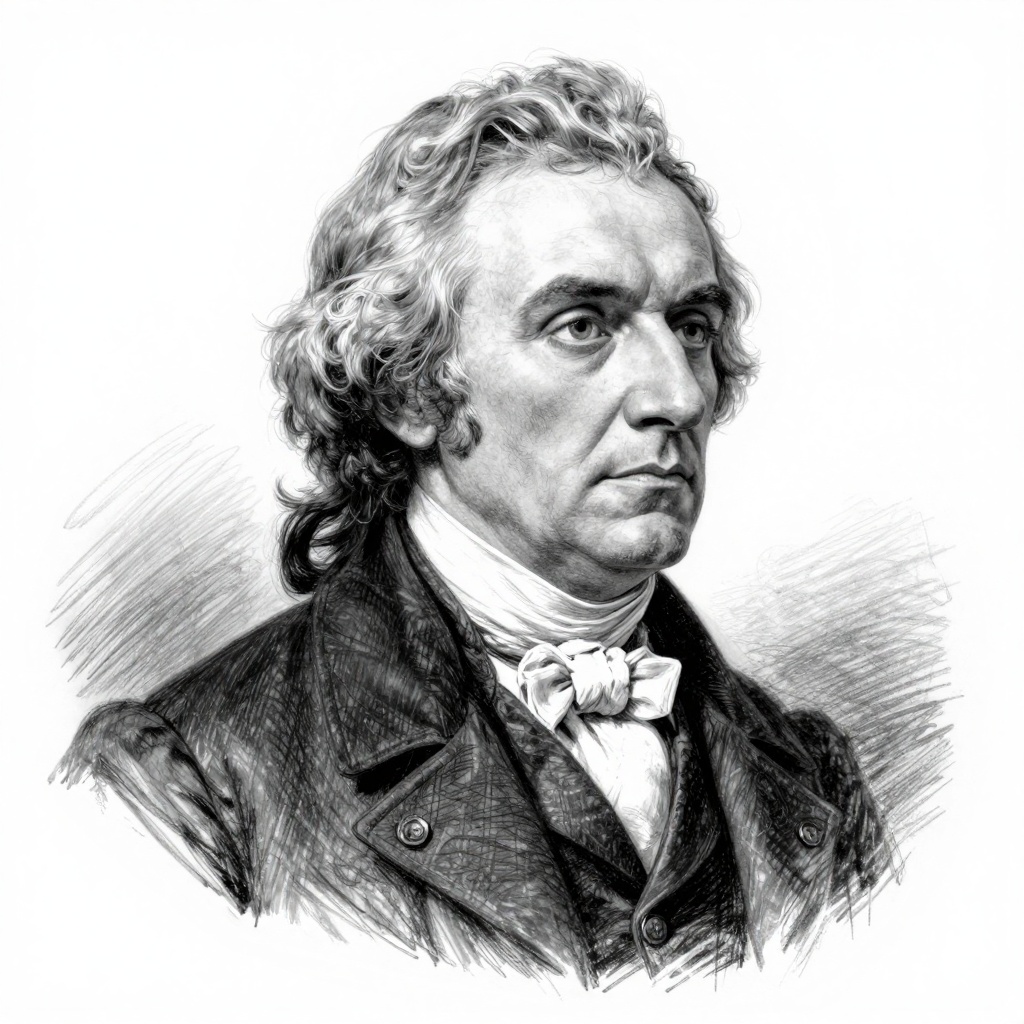
Comments