Quote · Added 14 February 2026
The World is my country, all mankind are my brethren, and to do good is my religion.
Thomas PaineThe Age of Reason, 1794
Quote · Added 14 February 2026
There's something quietly radical about refusing to draw hard lines between "us" and "them"—especially when the world seems obsessed with building them. This isn't about ignoring real differences or pretending nationality doesn't exist. It's about recognizing that the instinct to help someone, to act fairly, to ease suffering, doesn't stop at a border or a language barrier or a flag.
In practice, this shows up in small moments. When you feel irritated at helping a stranger but would move mountains for your neighbor, you're noticing that invisible wall. When news from across the globe stops affecting you simply because it's far away, you're feeling the pull of tribalism. Paine's point is that this narrowing of compassion is a choice we make, not a law of nature. Every time you treat a stranger's problem as worth your attention—whether that's listening to someone different from you, supporting causes outside your immediate circle, or simply extending patience to someone you'll never see again—you're choosing a bigger circle.
The surprising part: this isn't about self-sacrifice or martyrdom. People who live this way often report it makes their own lives richer, not poorer. When your religion is doing good rather than following rules, you're free.
1737–1809·lived 72 years
Thomas Paine was an English-born American political activist, philosopher, and revolutionary. He is best known for his influential pamphlet "Common Sense," which advocated for American independence from British rule. Paine's writings and ideals played a significant role in shaping the American Revolution and promoting democratic governance.
Also by Thomas Paine
If there must be trouble, let it be in my day, that my child may have peace.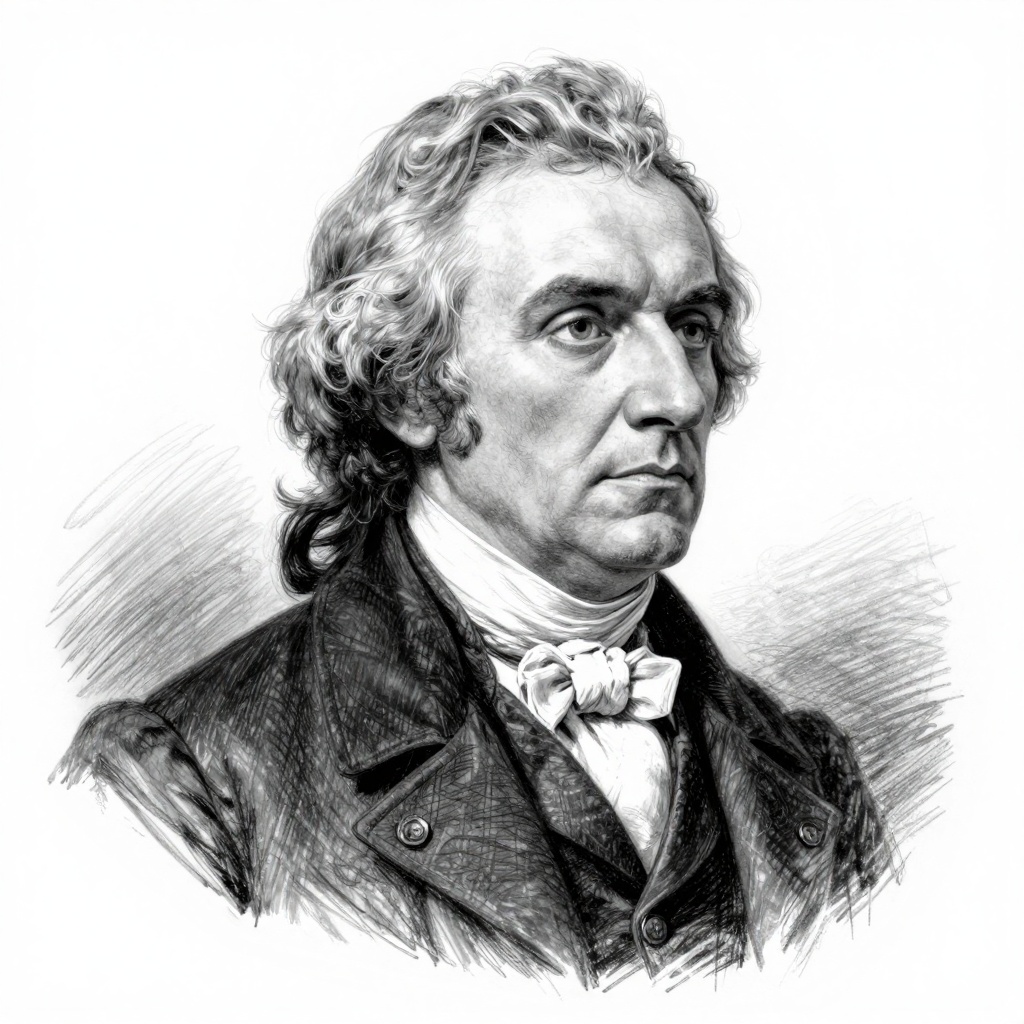
Comments