Quote · Added 11 February 2026
No occupation is so delightful to me as the culture of the earth, and no culture comparable to that of the garden.
Thomas JeffersonLetter to Charles Willson Peale, August 20, 1811
Quote · Added 11 February 2026
There's something revealing about the fact that one of history's most powerful men found his deepest satisfaction in dirt under his fingernails. Jefferson wasn't writing this as a hobby—he was describing what actually felt meaningful to him, which makes the observation harder to dismiss.
We live in an era that treats gardening as either a cute retirement hobby or a wellness trend, something squeezed between "real" work. But Jefferson's point cuts deeper: there's a particular kind of satisfaction in tending something with your own hands that you can't get from abstract accomplishments. A garden gives immediate, visible feedback. You plant, you water, you observe results. There's no committee meeting about whether your tomato grew well enough. It just did, or it didn't.
The slightly uncomfortable part is that this contentment might require slowing down enough to notice it. Not everyone has the space or circumstances for a garden, but the principle holds: we're often running from one productivity achievement to the next without noticing that the things that actually settle us are usually quieter and more tactile. Whether it's cooking, building, or yes, gardening, there's wisdom in recognizing that tangible creation might matter more than our culture usually admits.
1743–1826·lived 83 years
Thomas Jefferson was an American Founding Father who served as the third President of the United States from 1801 to 1809. He is best known for being the primary author of the Declaration of Independence and for his advocacy of democracy, republicanism, and individual rights. Jefferson also founded the University of Virginia and was a prominent architect, inventor, and philosopher.
Also by Thomas Jefferson
I believe that every human mind feels pleasure in doing good to another.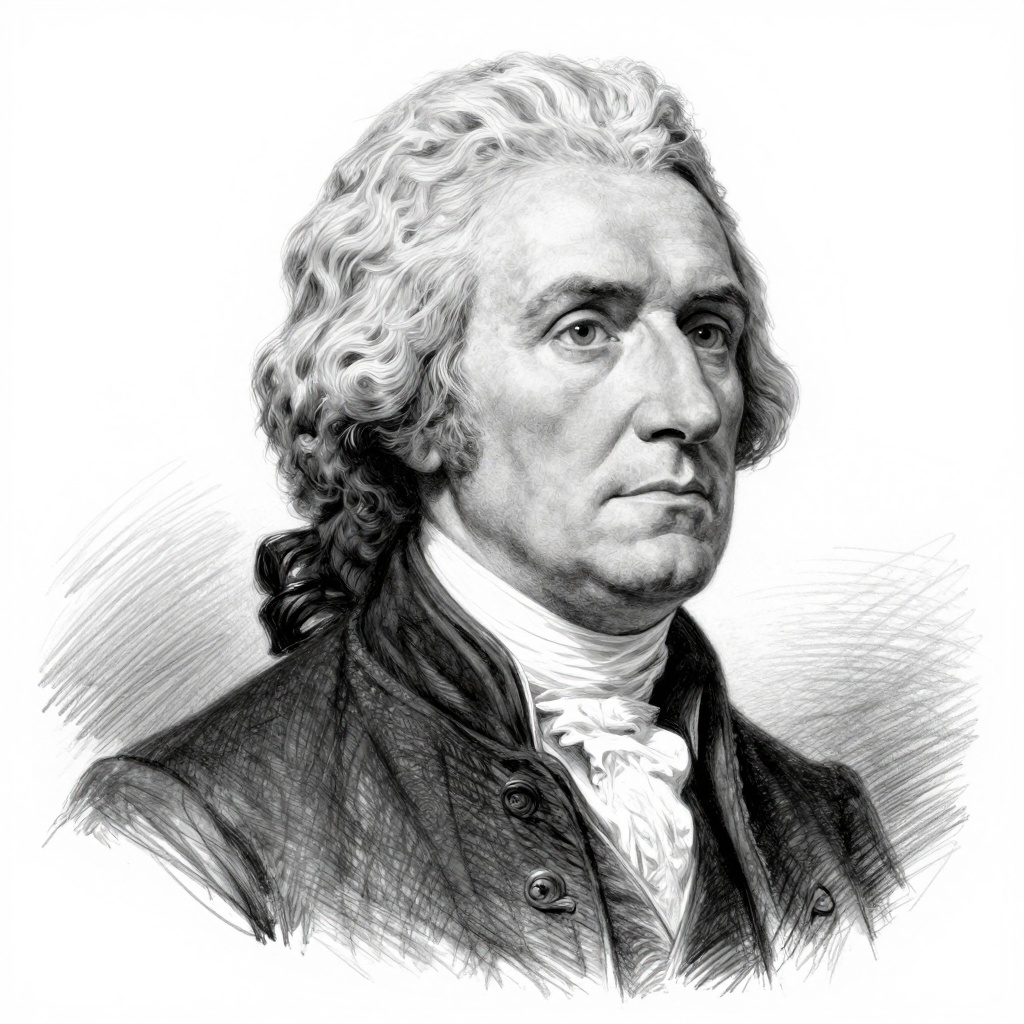
Comments