Quote · Added 14 February 2026
The glow of one warm thought is to me worth more than money.
Thomas JeffersonExtract from Thomas Jefferson to Charles McPherson, 25 Feb, 1773
Quote · Added 14 February 2026
There's something almost radical about preferring a warm thought to actual money. We live in a world that constantly measures value in dollars, likes, and metrics we can immediately spend or show off. Jefferson's observation cuts against that grain by suggesting the most valuable things are often invisible and internal—the kind you can't deposit or display.
Think about the last time you felt genuinely moved by an idea, a moment of understanding, or even just a memory that made you smile. That warm thought probably didn't cost anything, yet it shaped your whole day or mood in a way a purchase rarely does. A nice dinner is forgotten; a realization about yourself or someone you love stays with you. The difference is real and worth noticing.
The tricky part is that warm thoughts often arrive when we're not chasing them. They come from conversations, reading, walking, or doing nothing in particular. So while Jefferson isn't saying to ignore practical needs, he's pointing to a gap in how we spend our time and attention. We optimize for money and status when the deepest satisfaction comes from the thoughts we've cultivated along the way—which requires a different kind of investment altogether.
1743–1826·lived 83 years
Thomas Jefferson was an American Founding Father who served as the third President of the United States from 1801 to 1809. He is best known for being the primary author of the Declaration of Independence and for his advocacy of democracy, republicanism, and individual rights. Jefferson also founded the University of Virginia and was a prominent architect, inventor, and philosopher.
Also by Thomas Jefferson
I believe that every human mind feels pleasure in doing good to another.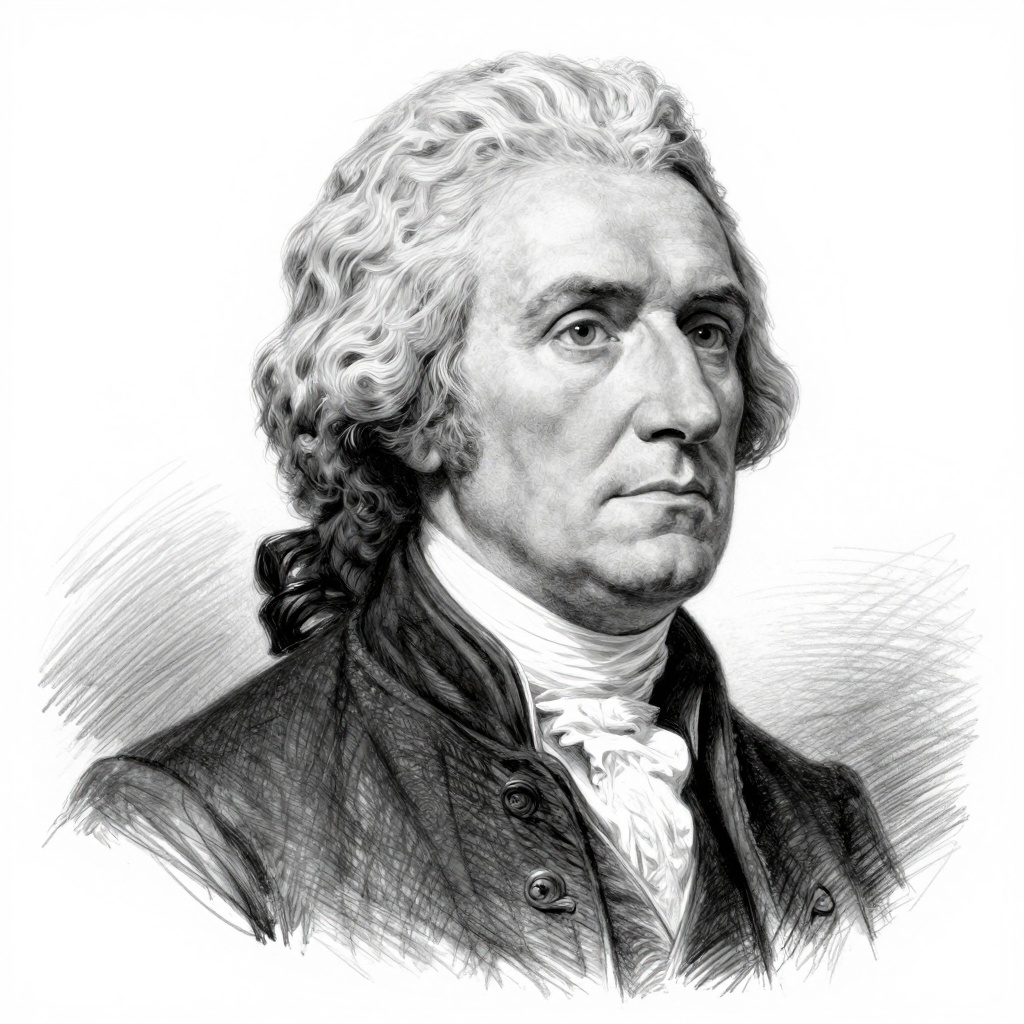
Comments