Quote · Added 26 June 2026
Only thoughts reached by walking have value.
No ratings yet
Quote · Added 26 June 2026
There's something almost radical about this claim in a world where we've optimized thinking into sitting still. We treat deep thoughts as things that happen at desks or in meditation apps, but Nietzsche was onto something about how movement actually changes what we're capable of understanding. Walking forces a rhythm on your mind—you can't force it or rush it, but you also can't get completely stuck the way you can while staring at a blank screen.
The non-obvious part is that this isn't just about exercise or fresh air. Walking creates a particular kind of thinking because it's neither work nor rest. Your conscious mind has just enough to do—navigating, balancing—that it loosens its grip. Your thoughts wander and connect in ways they don't when you're deliberately trying to solve something. Some of your best realizations probably did come while walking, not because you were trying to think better, but because you were doing something else entirely.
The pressure to be productive means we've started treating thinking as something that should happen quickly, in bursts. But real understanding often needs that slower pulse, that permission to move without destination. The irony is that in trying to save time by staying still, we might actually be thinking more shallowly than ever.
1844–1900·lived 55 years
Friedrich Nietzsche (1844–1900) was a German philosopher, cultural critic, and poet. He is known for his profound and controversial ideas on existentialism, morality, and the concept of the "Übermensch" (Superman), which have had a significant influence on Western philosophy and intellectual thought.
Also by Friedrich Nietzsche
Nature does not punish the evil, it punishes the weak.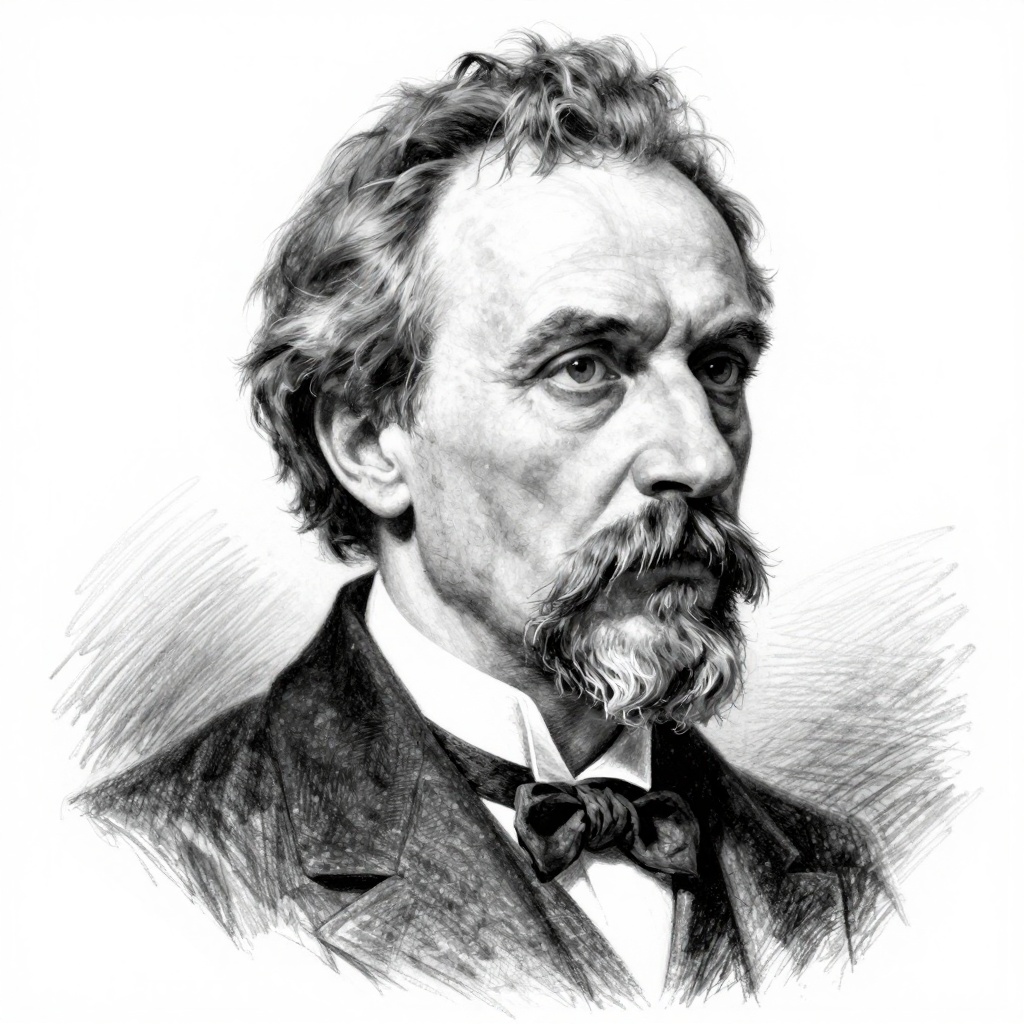
Comments