Quote · Added 7 March 2026
Reading
AI generatedThe quiet pleasure of helping others
There's something almost radical about this belief, especially now when we're constantly told people are selfish, that we're all just protecting our own interests. Jefferson's idea cuts against that cynicism—that helping someone else actually creates genuine pleasure in us, not just relief from guilt or social pressure.
The interesting part is that he's probably right, but not in the way we always act. You've likely felt it: that small hit of satisfaction when you help a colleague solve a problem, or when you pick up groceries for an elderly neighbor, or even just when you send a thoughtful text to someone struggling. It's real. But we often override that natural impulse because it feels inconvenient, or we're tired, or we tell ourselves the gesture won't matter anyway. We know intellectually that doing good feels good, yet we constantly talk ourselves out of it.
The catch is that this pleasure isn't automatic or dramatic—it's quiet. It doesn't come with applause or big rewards. So we have to actually pay attention to it when it arrives, notice it, let ourselves feel it. Otherwise we drift into the assumption that helping others is just an obligation, something we should do. When really, Jefferson was pointing at something simpler: it's something we actually want to do, if we give ourselves permission to want it.
The author
All 33 quotes by Thomas Jefferson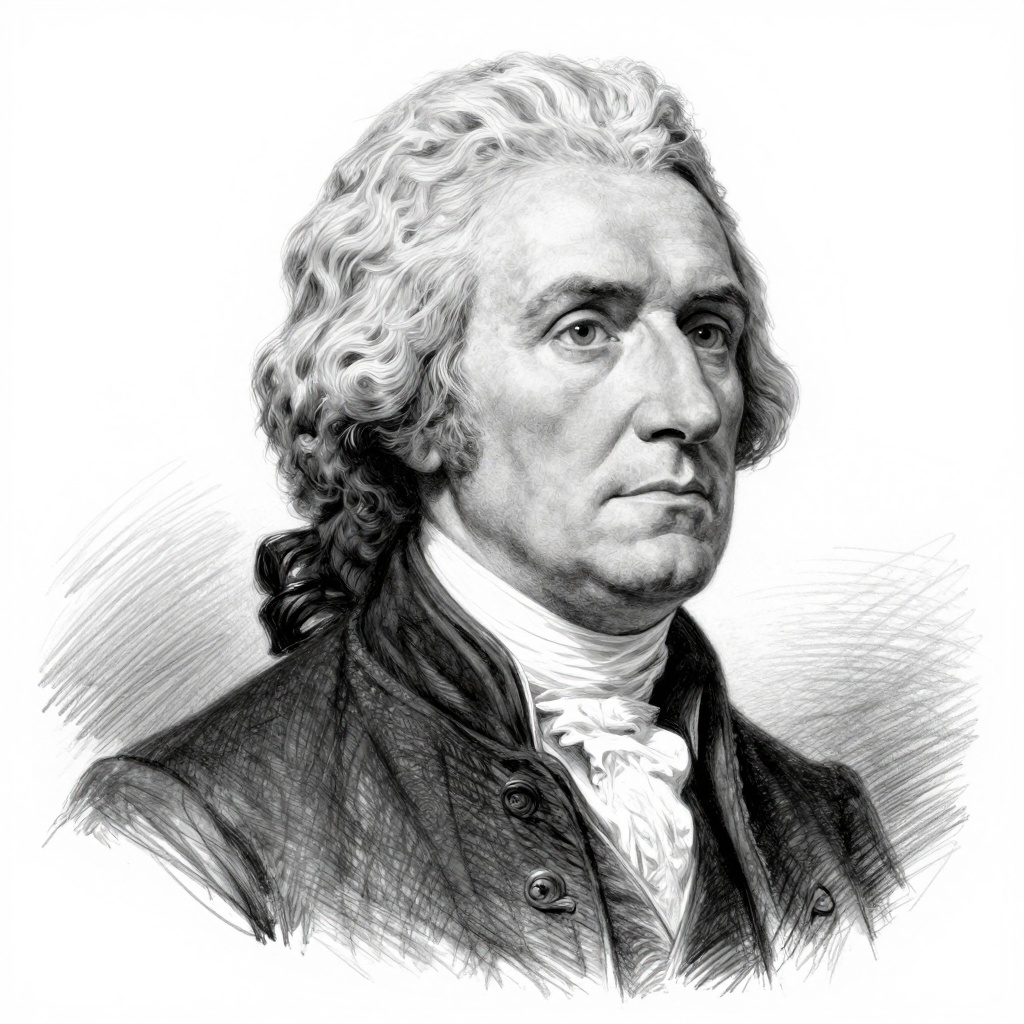
Thomas Jefferson
1743–1826·lived 83 years
Thomas Jefferson was an American Founding Father who served as the third President of the United States from 1801 to 1809. He is best known for being the primary author of the Declaration of Independence and for his advocacy of democracy, republicanism, and individual rights. Jefferson also founded the University of Virginia and was a prominent architect, inventor, and philosopher.
Also by Thomas Jefferson
The most valuable of all talents is that of never using two words when one will do.
Comments