Quote · Added 15 February 2026
It is neither wealth nor splendor; but tranquility and occupation which give you happiness.
Filed underhappiness·tranquility·occupation
Quote · Added 15 February 2026
Filed underhappiness·tranquility·occupation
We're sold a pretty consistent story: if you just had more money, a nicer house, the right status symbols, then you'd finally feel settled and content. Yet most people who've achieved actual wealth report something strange—that happiness plateau arrives much faster than expected. The real comfort, it turns out, comes from something quieter: a mind that isn't restless, and hands that have meaningful work to do.
The twist here is that tranquility isn't passive. It's not about checking out or doing nothing. It's the peace that comes from being fully occupied with something that matters to you, whether that's your job, a project, a skill you're building, or problems you're solving. The two things work together. Without occupation, tranquility becomes boredom and anxiety. Without tranquility, constant busyness becomes just noise and stress.
This hits different in a world of infinite distraction and comparison. You can have financial security and still feel hollow if you're not genuinely engaged with anything. And you can feel surprisingly satisfied doing modest work you believe in, if your mind isn't fractured across ten different worries. The happiness formula isn't complicated—it just requires resisting the urge to keep chasing shinier things and instead asking what actually occupies and stills you.
1743–1826·lived 83 years
Thomas Jefferson was an American Founding Father who served as the third President of the United States from 1801 to 1809. He is best known for being the primary author of the Declaration of Independence and for his advocacy of democracy, republicanism, and individual rights. Jefferson also founded the University of Virginia and was a prominent architect, inventor, and philosopher.
Also by Thomas Jefferson
I believe that every human mind feels pleasure in doing good to another.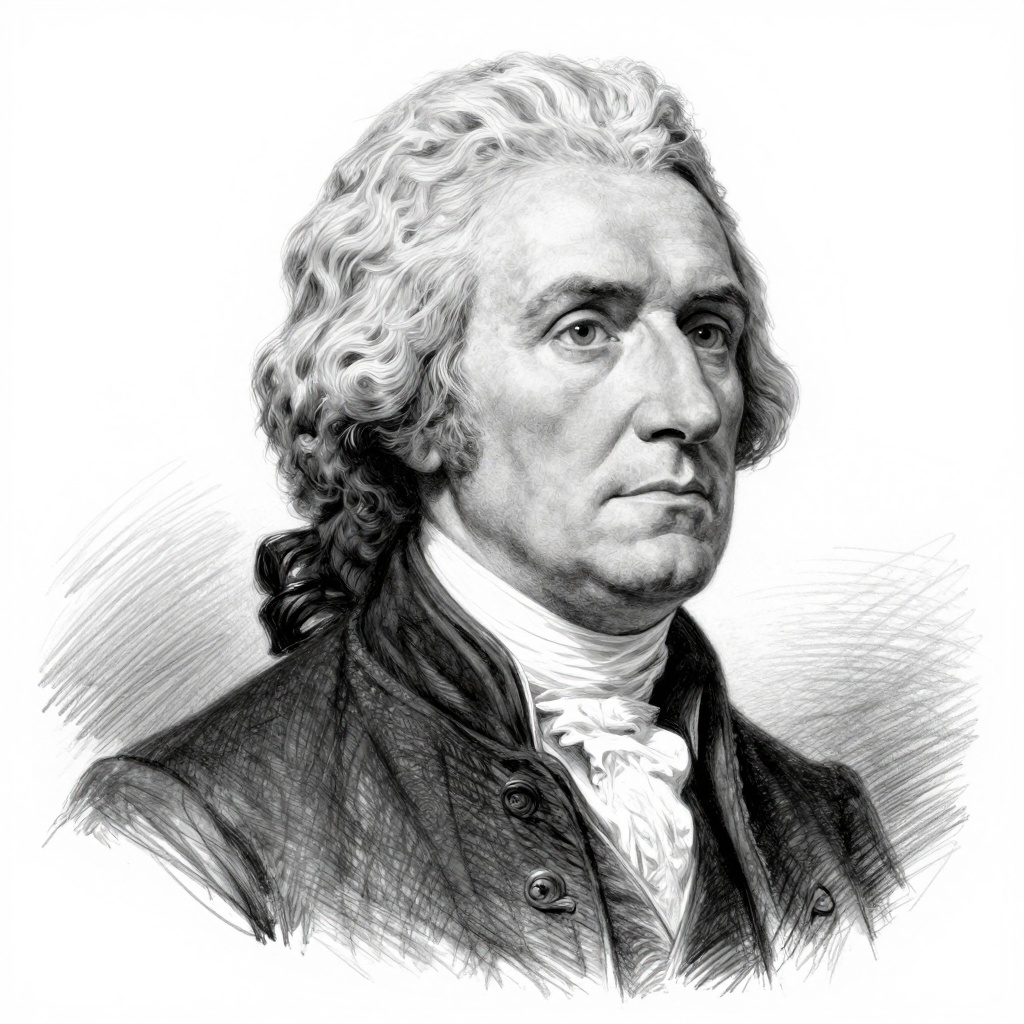
Comments