Quote · Added 16 February 2026
The most valuable of all talents is that of never using two words when one will do.
Filed undertalent·simplicity·clarity
Quote · Added 16 February 2026
Filed undertalent·simplicity·clarity
We live in an age of endless explaining. We hedge our statements with qualifiers, pad our emails with unnecessary context, and somehow need three paragraphs to say what could fit in a sentence. Jefferson's insight cuts through this modern tendency with refreshing clarity: saying less actually says more.
There's real power in restraint. When you strip away the filler, what remains demands attention. People trust concise communication because it suggests confidence and respect for their time. A cluttered message makes readers work harder to find your actual point, while a clean one lets the idea land immediately. This matters everywhere—in conversations where rambling kills connection, in writing where every word should earn its place, even in how we think through problems. Forced brevity often reveals what we actually believe versus what we just assume we should say.
The counterintuitive part? Using one word instead of two isn't about sounding curt or cold. It's about precision. The right single word often conveys more nuance than a wordy explanation ever could. It's the difference between saying someone is "quiet" versus giving a paragraph of reasons why they don't speak much. Talent here means knowing which word does the real work—then having the discipline to stop there.
1743–1826·lived 83 years
Thomas Jefferson was an American Founding Father who served as the third President of the United States from 1801 to 1809. He is best known for being the primary author of the Declaration of Independence and for his advocacy of democracy, republicanism, and individual rights. Jefferson also founded the University of Virginia and was a prominent architect, inventor, and philosopher.
Also by Thomas Jefferson
I believe that every human mind feels pleasure in doing good to another.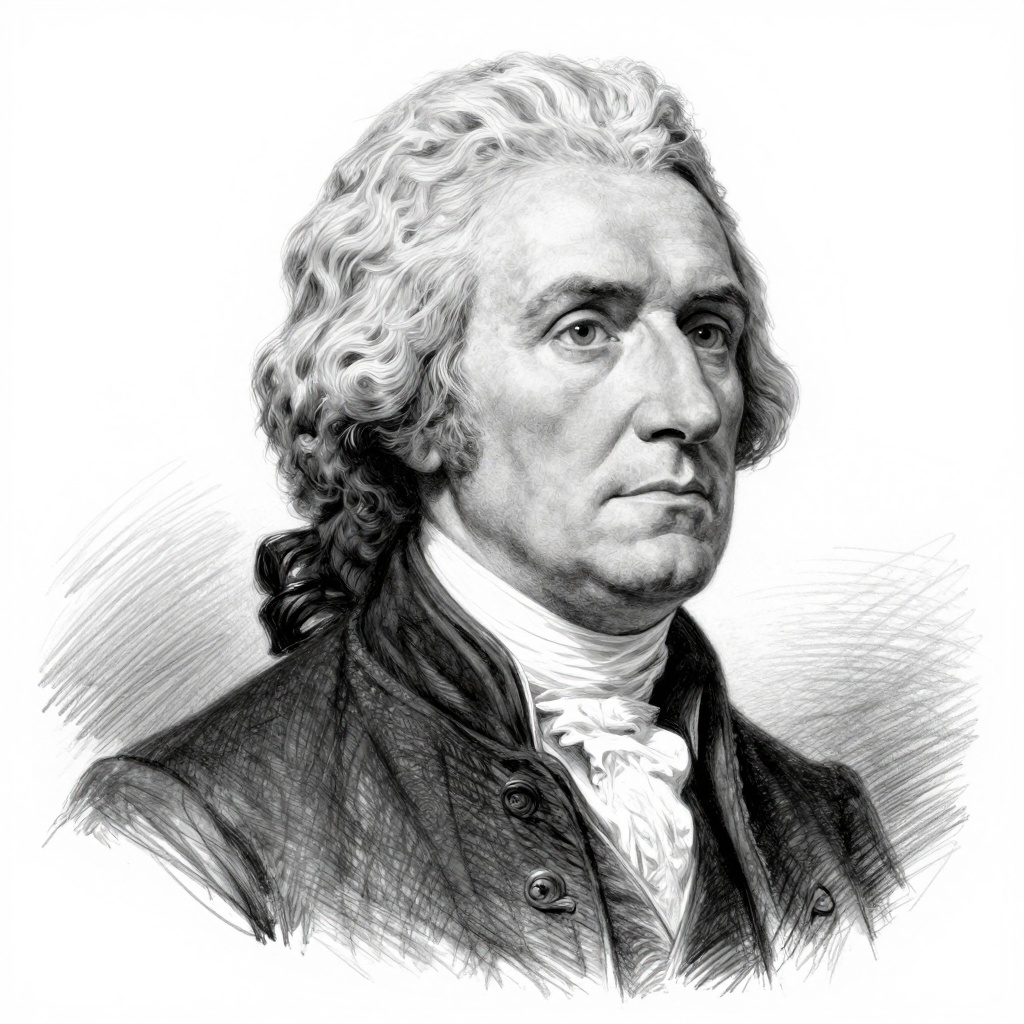
Comments