Quote · Added 14 February 2026
Reading
AI generatedThe economy runs on money, not morals
We like to imagine our economy runs on handshakes and good faith, but anyone who's negotiated a salary, watched a company pivot away from its stated values for profit, or seen a talented person stay in a soul-crushing job because they need health insurance knows the friction between ideals and dollars. Jefferson's observation cuts right to that uncomfortable truth: when systems scale up, morality becomes a luxury good, while money becomes the actual operating system.
The strange part is that recognizing this doesn't have to make you cynical. Most of us already know our employer isn't primarily motivated by our wellbeing—yet we still encounter genuinely ethical people within those systems, making small choices that matter. The insight isn't that civilization is morally bankrupt. It's that we've built economies where you can't afford to be purely principled, so integrity becomes something you negotiate and defend within constraints, rather than something that flows naturally from the structure itself.
Understanding this can actually sharpen your thinking. When you see a company's marketing versus its practices, or when you notice your own compromises around money, you're not seeing hypocrisy—you're seeing the actual mechanism Jefferson identified. The question then becomes not whether commerce corrupts, but how you navigate it deliberately.
The author
All 33 quotes by Thomas Jefferson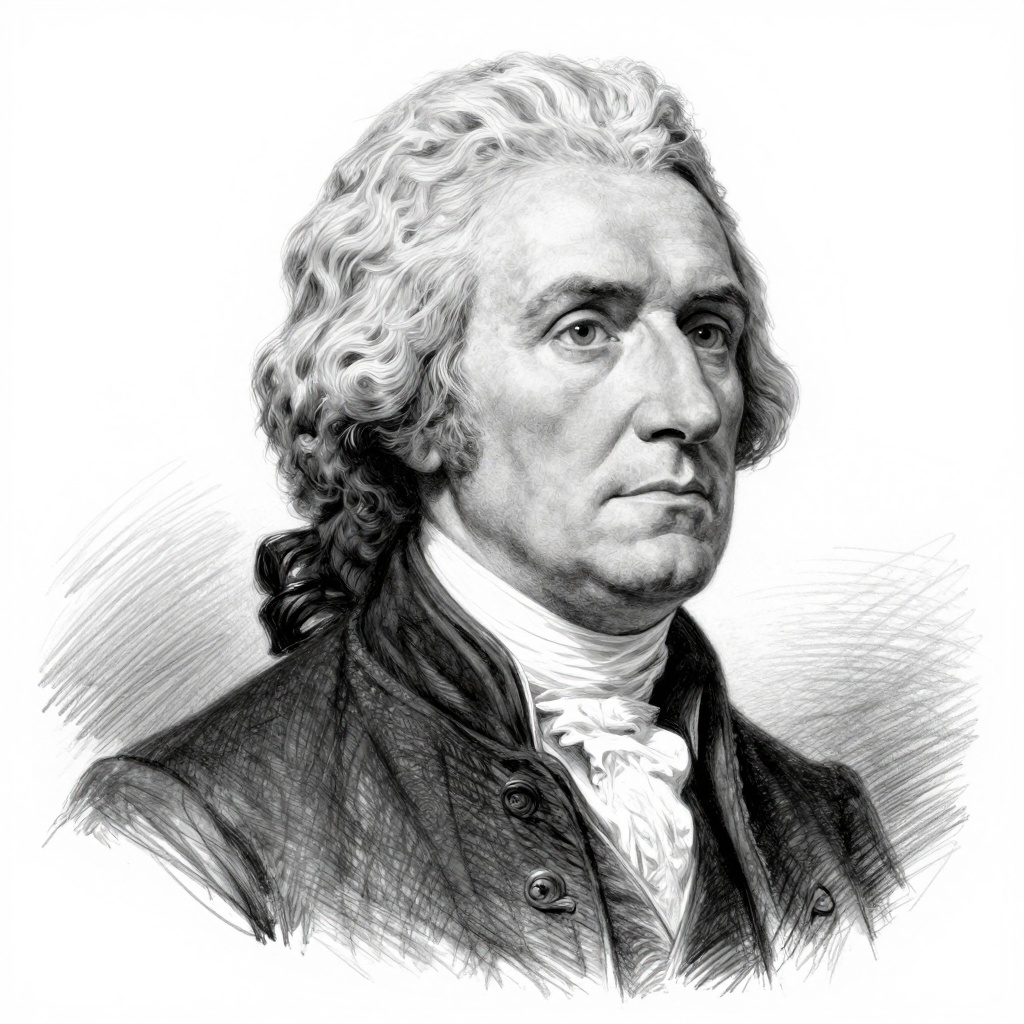
Thomas Jefferson
1743–1826·lived 83 years
Thomas Jefferson was an American Founding Father who served as the third President of the United States from 1801 to 1809. He is best known for being the primary author of the Declaration of Independence and for his advocacy of democracy, republicanism, and individual rights. Jefferson also founded the University of Virginia and was a prominent architect, inventor, and philosopher.
Also by Thomas Jefferson
I believe that every human mind feels pleasure in doing good to another.
Comments