Quote · Added 7 July 2026
Whoever fights monsters should see to it that in the process he does not become a monster.
No ratings yet
Filed undermonster·morality·self-awareness
Quote · Added 7 July 2026
Filed undermonster·morality·self-awareness
There's a reason this warning keeps echoing through crime dramas and political arguments: it describes something we actually experience. When you're fighting against something you deeply despise, the fight itself can start changing you. The detective working the dark cases begins seeing everyone as suspects. The activist crusading against injustice starts viewing those who disagree as enemies rather than people. You adopt the tactics, the language, the paranoia of the thing you're opposing.
The tricky part is that this doesn't feel like corruption in the moment. It feels like necessary intensity, like finally taking things seriously enough. But there's a real difference between having conviction and letting that conviction calcify into the very rigidity and dehumanization you originally opposed. You can end up so focused on defeating the monster that you've absorbed its instinct to dismiss, to dominate, to see others as obstacles rather than humans.
This isn't an argument for passivity or false balance. It's a warning that your character matters as much as your cause. The person you become while fighting for something shapes what you actually achieve. If you've become cold, divided, or cruel in your conviction, what exactly did you win?
1844–1900·lived 55 years
Friedrich Nietzsche (1844–1900) was a German philosopher, cultural critic, and poet. He is known for his profound and controversial ideas on existentialism, morality, and the concept of the "Übermensch" (Superman), which have had a significant influence on Western philosophy and intellectual thought.
Also by Friedrich Nietzsche
Nature does not punish the evil, it punishes the weak.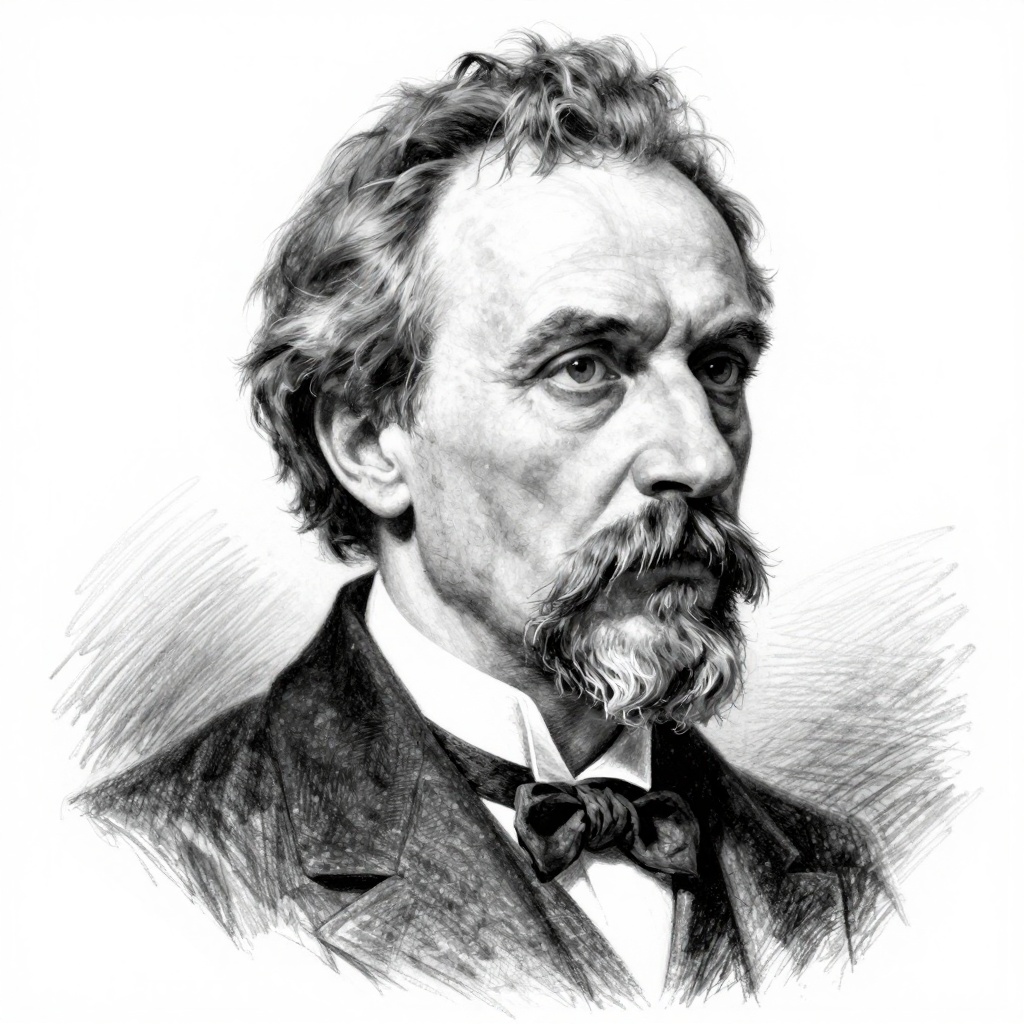
Comments