Quote · Added 8 July 2026
Nature does not punish the evil, it punishes the weak.
Friedrich NietzscheBeyond Good and Evil, Part V, Aphorism 188
No ratings yet
Quote · Added 8 July 2026
We like to think the universe has a moral compass, that good people get rewarded and bad people eventually face consequences. But Nietzsche's observation cuts through that comforting story: nature simply doesn't care about your intentions. What matters is whether you have the strength—physical, mental, emotional, economic—to survive and thrive. A person with poor boundaries gets walked over not because they're virtuous, but because they lack the capacity to push back. Someone struggling with addiction isn't punished by some cosmic judge; they're undone by their own inability to resist.
This stings partly because it suggests effort and morality aren't always enough. You can be trying your best and still lose ground to someone more ruthless or simply more able. But there's also something clarifying here. It shifts the focus from passive waiting for justice to active building of strength—whether that's developing resilience, learning to say no, building skills, or finding people and systems that support you. The world responds to capability, not virtue signals.
The uncomfortable takeaway is that we can't blame our struggles entirely on unfairness. We also have to honestly ask: where am I weak, and what can I actually do about it?
1844–1900·lived 55 years
Friedrich Nietzsche (1844–1900) was a German philosopher, cultural critic, and poet. He is known for his profound and controversial ideas on existentialism, morality, and the concept of the "Übermensch" (Superman), which have had a significant influence on Western philosophy and intellectual thought.
Also by Friedrich Nietzsche
Whoever fights monsters should see to it that in the process he does not become a monster.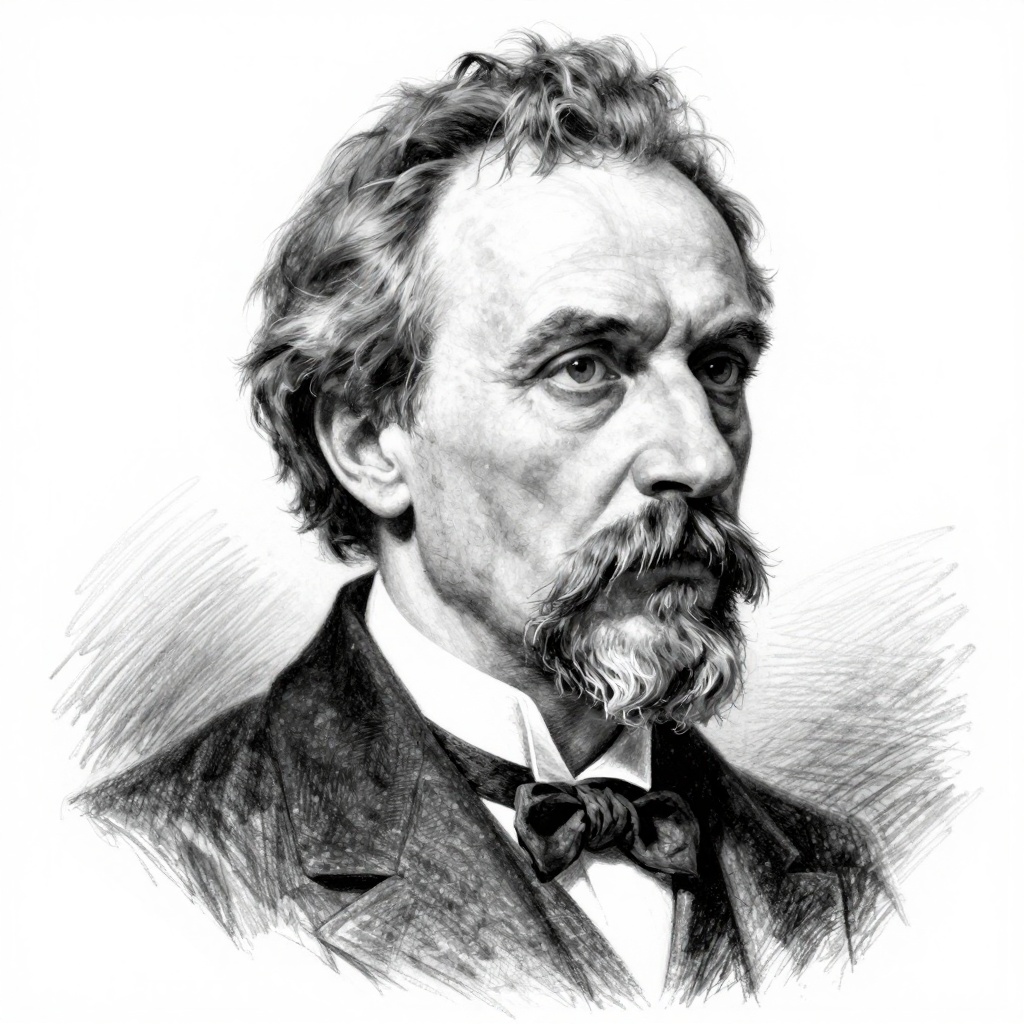
Comments