Quote · Added 9 July 2026
To offend a strong man, tell him a lie. To offend a weak man, tell him the truth.
Marcus AureliusWhat Offends You?, The Everyday Knight
No ratings yet
Quote · Added 9 July 2026
We live in an age of carefully managed impressions, where flattery flows freely and hard truths get softened into something more palatable. This ancient observation cuts right to why that happens—and what it reveals about us.
A person secure in themselves can handle being wrong. They don't need reality bent to protect their ego. But someone fragile, someone whose confidence is built on a shaky foundation, can't tolerate an honest mirror. The truth feels like an attack because their sense of self is already under siege. So we become liars out of kindness, telling people what they need to hear rather than what they need to know. We learn which friends can handle directness and which ones will crumble.
The strange part is how this plays out in reverse too. We often see powerful people demanding harsh truths from others while surrounding themselves with yes-men. And we recognize in ourselves moments when we absolutely cannot hear certain truths—about our work, our relationships, our choices. In those moments, we're the weak ones, desperate for the comfortable lie. The quote isn't really about strength and weakness as fixed states. It's about the distance between who we think we are and who we actually are, and how threatened we feel by that gap.
d. 180
Marcus Aurelius was a Roman emperor and Stoic philosopher who reigned from 161 to 180 AD. He is known for his philosophical work "Meditations," which reflects his thoughts on Stoicism and personal introspection amidst the challenges of governing the Roman Empire.
Also by Marcus Aurelius
It is not what happens that destroys you, but the story you build in your mind about it.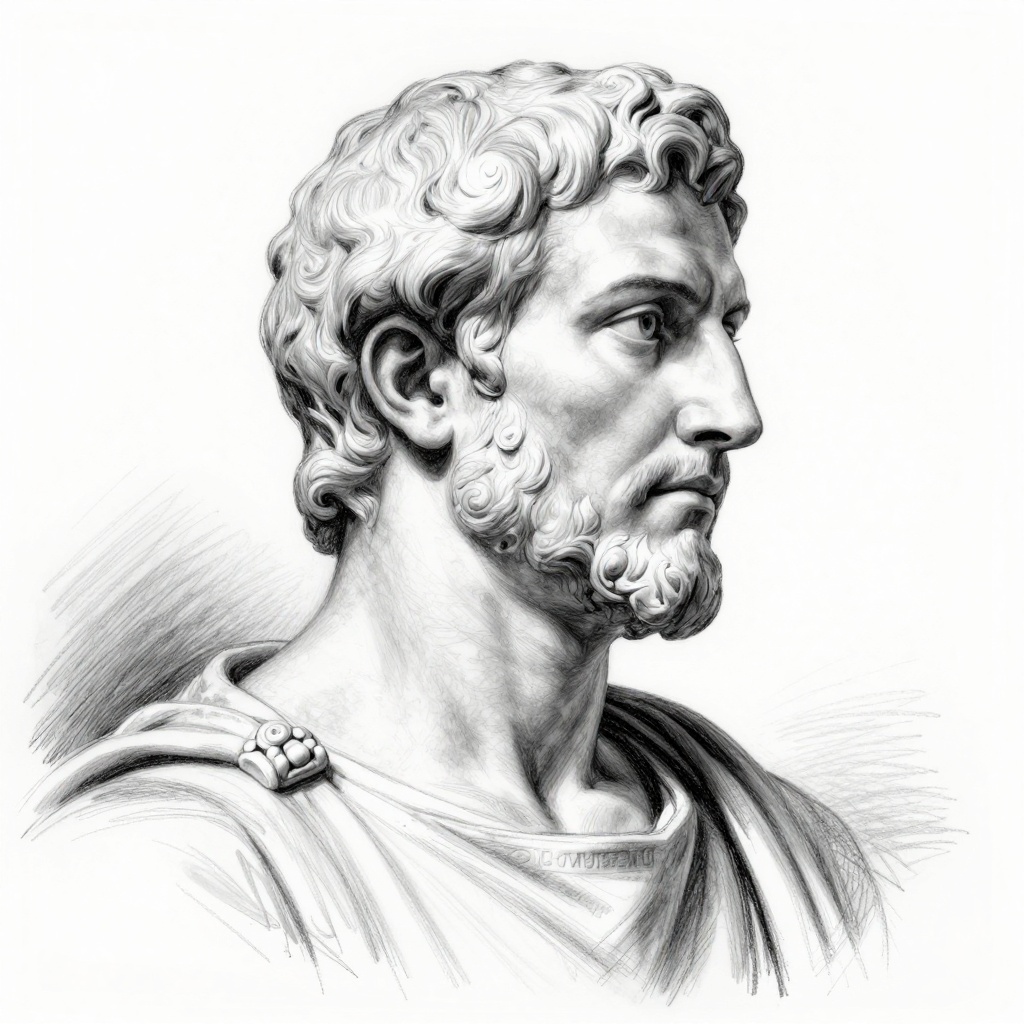
Comments