Quote · Added 5 July 2026
The obstacle is the way.
No ratings yet
Filed underobstacle·perseverance·growth
Quote · Added 5 July 2026
Filed underobstacle·perseverance·growth
We usually treat obstacles like detours—annoyances that delay us from the real path. But Marcus Aurelius flips this completely: the difficult thing itself is the point. That stuck project, the person who frustrates you, the skill you can't quite master—these aren't keeping you from growth. They're the actual mechanism of it.
This lands differently once you notice how your best qualities came into being. You didn't become patient by having an easy time. You didn't learn resilience from smooth sailing. The obstacle forced you to think differently, adapt, or discover resources you didn't know you had. It's not just that hard things build character as some motivational poster claims. It's that the specific obstacle you're facing right now contains exactly the lesson you need—if you stop seeing it as a problem to escape and start seeing it as information.
The practical shift is small but real: instead of asking "How do I get around this?" try asking "What is this trying to teach me?" The delay becomes a curriculum. The frustration becomes feedback. You're not waiting for the real path to begin. You're already on it.
d. 180
Marcus Aurelius was a Roman emperor and Stoic philosopher who reigned from 161 to 180 AD. He is known for his philosophical work "Meditations," which reflects his thoughts on Stoicism and personal introspection amidst the challenges of governing the Roman Empire.
Also by Marcus Aurelius
It is not what happens that destroys you, but the story you build in your mind about it.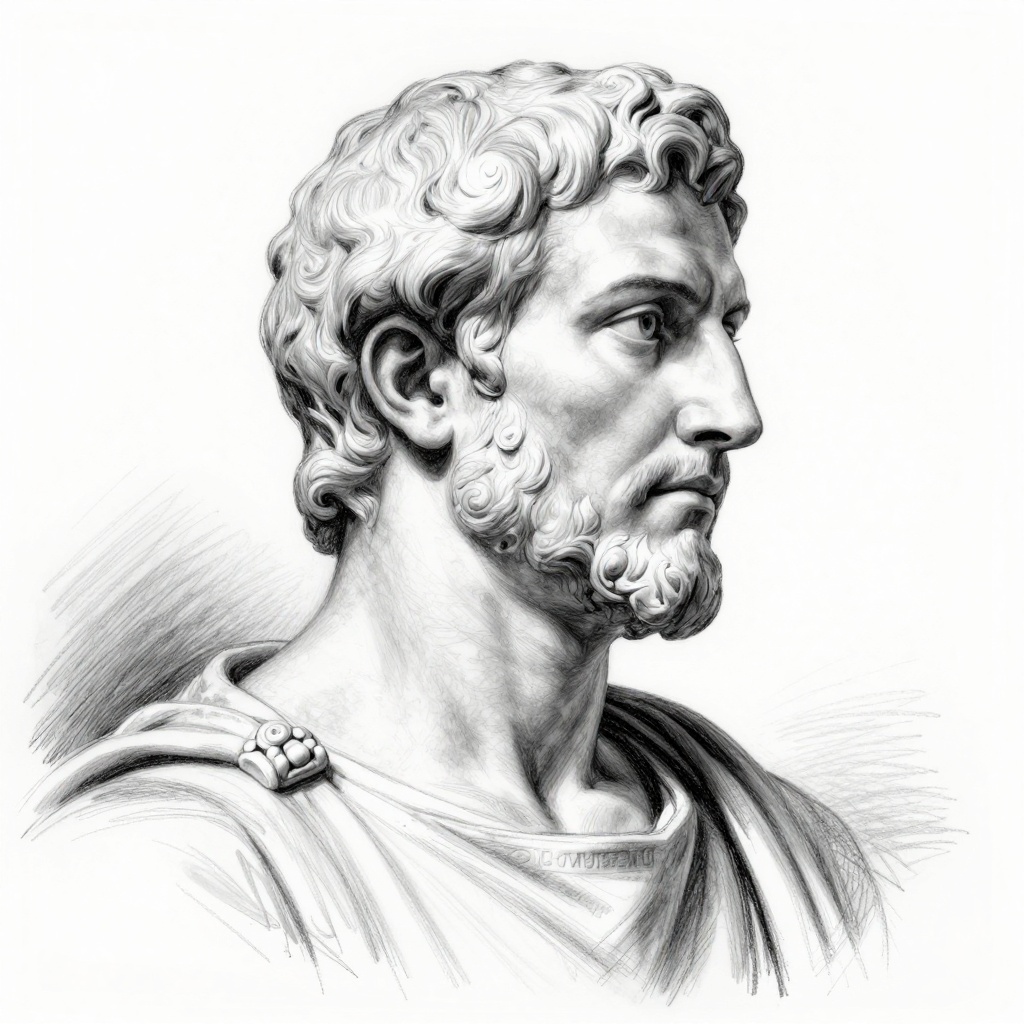
Comments