Quote · Added 5 July 2026
One repays a teacher badly if one remains only a pupil.
No ratings yet
Quote · Added 5 July 2026
We spend years learning from people we respect—teachers, mentors, parents, friends who've figured things out ahead of us. But there's a weird awkwardness that can happen when the learning stops and we're still acting like the student. It's not that we should abandon gratitude or stop valuing what they taught us. It's that staying dependent, always seeking approval or permission, actually dishonors the whole point of their teaching. They wanted to equip you to think and act on your own, not to create a permanent follower.
The tricky part is that independence feels like ingratitude at first. When you disagree with a mentor or chart your own course differently, there's guilt. But the real repayment is becoming someone who can stand on what they taught you and build something new with it. Your teacher succeeds when you outgrow needing them. That's not rejection—it's the natural completion of their work. The student who stays a student forever is actually keeping the relationship stuck, denying both of you what comes next.
This matters beyond formal education too. It's about friendships where one person always needs advice, romantic relationships where someone never quite grows up, work situations where you're always the junior looking for direction. Real respect means becoming the kind of person who can eventually hand the torch forward themselves.
1844–1900·lived 55 years
Friedrich Nietzsche (1844–1900) was a German philosopher, cultural critic, and poet. He is known for his profound and controversial ideas on existentialism, morality, and the concept of the "Übermensch" (Superman), which have had a significant influence on Western philosophy and intellectual thought.
Also by Friedrich Nietzsche
Nature does not punish the evil, it punishes the weak.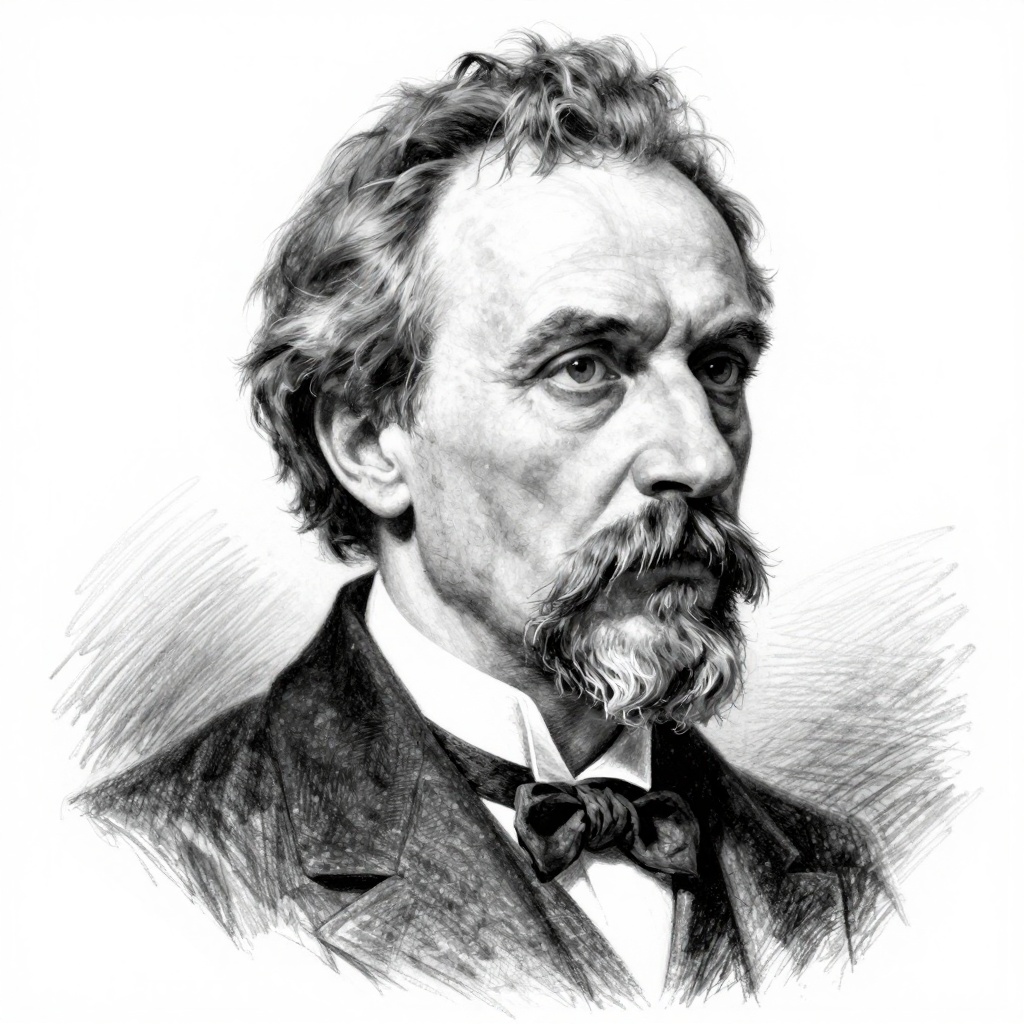
Comments