Quote · Added 30 June 2026
I am not afraid of an army of lions led by a sheep; I am afraid of an army of sheep led by a lion.
Filed underleadership·fear·strength
Quote · Added 30 June 2026
Filed underleadership·fear·strength
We tend to think power flows from the strongest individual—the smartest CEO, the most charismatic leader, the one with the sharpest instincts. But this observation flips that assumption. A group of capable, driven people without direction is essentially harmless to themselves and everyone else. They'll scatter, compete, second-guess, and ultimately go nowhere. But ordinary people organized behind someone with conviction and clarity? That's dangerous. That's how movements get built.
This matters now because we're living through an age where information and capability are everywhere. Millions of intelligent, talented people have access to tools and networks that would have seemed like superpowers a generation ago. What actually moves things—what actually changes outcomes—is focus. Direction. Someone willing to commit fully and get others to commit with them. It's why a small, unified team often outpaces a larger, fragmented one. It's why a clear-eyed fanatic can reshape an industry while a room full of smart skeptics debates.
The uncomfortable part? This dynamic works for good and bad equally well. Which is probably why the observation stuck around for two thousand years. Power isn't really about individual genius. It's about coordination. And coordination follows whoever seems most certain about where they're going.
d. 323
Alexander the Great was a renowned ancient Greek king and military commander who established one of the largest empires in ancient history, spanning from Greece to Egypt and India. Known for his strategic military tactics, he conquered vast territories and spread Greek culture throughout his empire during the 4th century BC.
Also by Alexander the Great
If we turn our backs of the Scythians who have provoked us, how shamefully shall we march...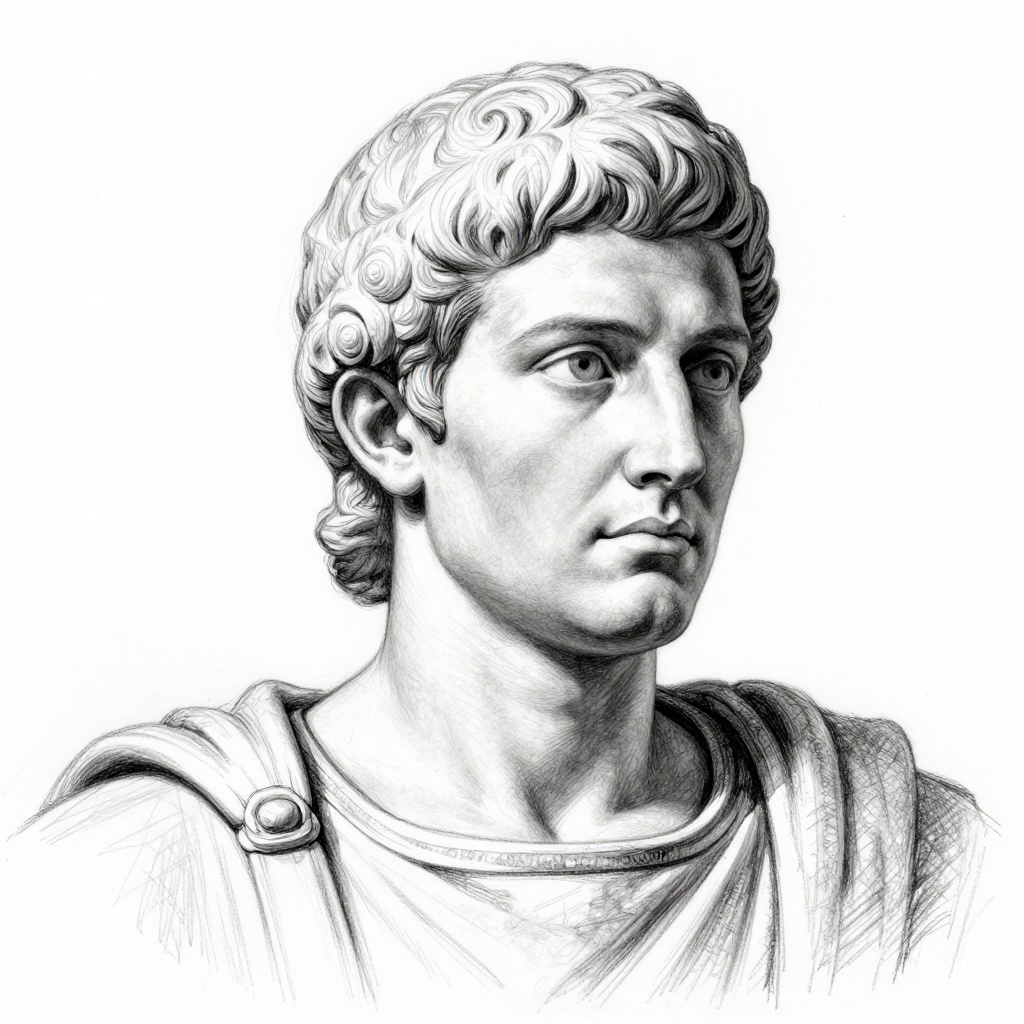
Comments