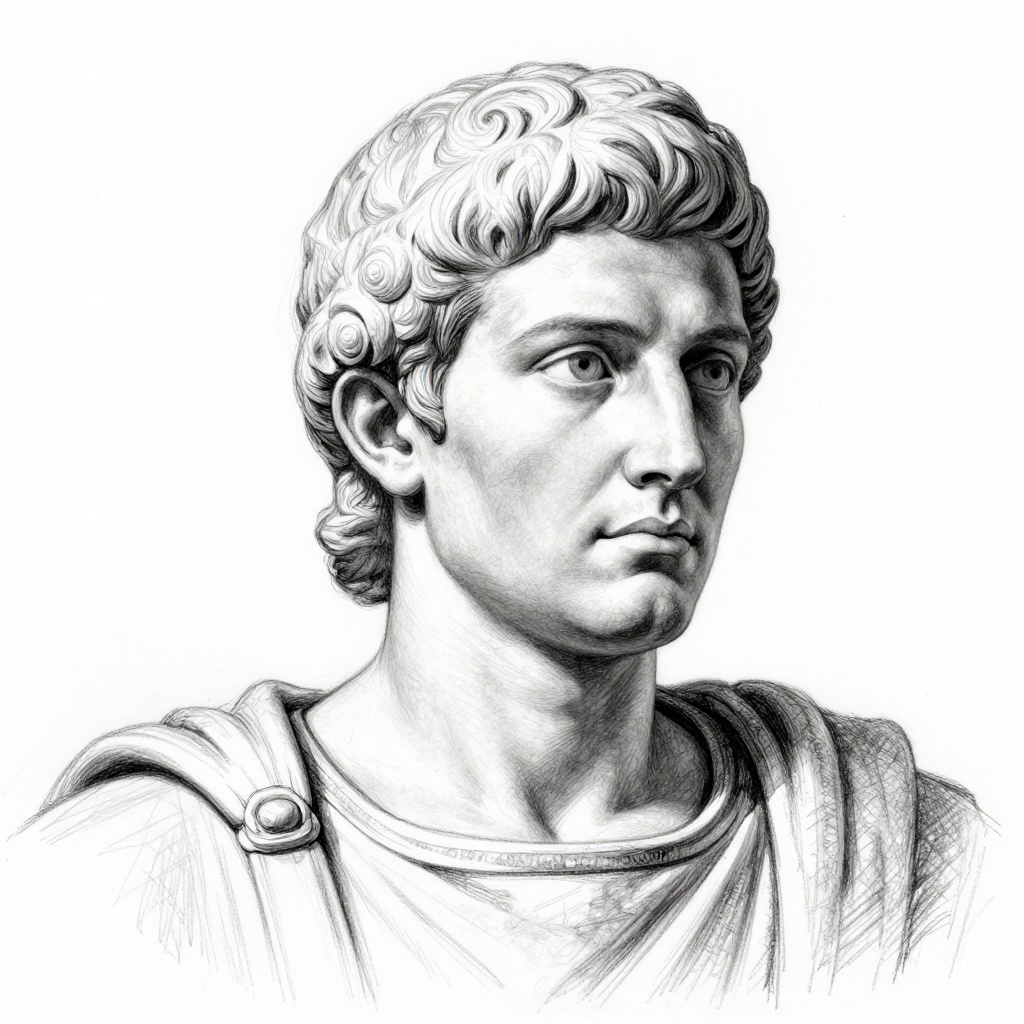
If we turn our backs of the Scythians who have provoked us, how shamefully shall we march against the revolted... — Alexander the Great

If we turn our backs of the Scythians who have provoked us, how shamefully shall we march against the revolted Bactrians; but if we pass Tanais and make the Scythians feel, by dear experience, that we are invincible, not in Asia only, it is not to be doubted but that Europe itself, as well as Asia, will come within the bounds of our conquests.

Author: Alexander the Great

Insight: This quote reveals something crucial about how power works: it's not just about winning battles, it's about what people believe you're capable of. Alexander understood that letting one enemy escape unpunished would broadcast weakness to everyone else watching. The Scythians weren't the real problem—they were a test case. Fail to pursue them, and suddenly every other challenger gets bold ideas. We see this same logic play out constantly today, just in different arenas. A company that tolerates one major breach without real consequence signals vulnerability to competitors. A parent who doesn't follow through on consequences teaches children that threats are bluffs. A person who lets one person disrespect them often finds others pushing harder. Alexander's insight cuts past the immediate situation to the signal it sends. What's slightly unsettling about his thinking, though, is how it treats every encounter as propaganda. He wasn't just trying to defeat enemies—he was crafting a narrative of inevitability. That calculation works brilliantly for expanding empires, but it also shows why absolute confidence can trap leaders into endless escalation. The Scythians had to be pursued not because they were the greatest threat, but because the story demanded it. Sometimes we inherit that same pressure to prove ourselves through ever-larger acts.

Source: Arrian, The Anabasis of Alexander, Book 4, Chapter 17

Weakness broadcasts to everyone watching

If we turn our backs of the Scythians who have provoked us, how shamefully shall we march against the revolted Bactrians; but if we pass Tanais and make the Scythians feel, by dear experience, that we are invincible, not in Asia only, it is not to be doubted but that Europe itself, as well as Asia, will come within the bounds of our conquests.

Alexander the GreatArrian, The Anabasis of Alexander, Book 4, Chapter 17

This quote reveals something crucial about how power works: it's not just about winning battles, it's about what people believe you're capable of. Alexander understood that letting one enemy escape unpunished would broadcast weakness to everyone else watching. The Scythians weren't the real problem—they were a test case. Fail to pursue them, and suddenly every other challenger gets bold ideas.

We see this same logic play out constantly today, just in different arenas. A company that tolerates one major breach without real consequence signals vulnerability to competitors. A parent who doesn't follow through on consequences teaches children that threats are bluffs. A person who lets one person disrespect them often finds others pushing harder. Alexander's insight cuts past the immediate situation to the signal it sends.

What's slightly unsettling about his thinking, though, is how it treats every encounter as propaganda. He wasn't just trying to defeat enemies—he was crafting a narrative of inevitability. That calculation works brilliantly for expanding empires, but it also shows why absolute confidence can trap leaders into endless escalation. The Scythians had to be pursued not because they were the greatest threat, but because the story demanded it. Sometimes we inherit that same pressure to prove ourselves through ever-larger acts.

AI generated

Comments

Sign in to leave a comment or reply to one.

Sign in

Alexander the Great

Alexander the Great was a renowned ancient Greek king and military commander who established one of the largest empires in ancient history, spanning from Greece to Egypt and India. Known for his strategic military tactics, he conquered vast territories and spread Greek culture throughout his empire during the 4th century BC.

Graph

Related