Quote · Added 13 February 2026
There is nothing impossible to him who will try.
Filed undertry·perseverance·determination
Quote · Added 13 February 2026
Filed undertry·perseverance·determination
We live in a culture that loves to announce what's impossible before we've even started. It's too late, the market's saturated, you don't have the right connections, your circumstances aren't ideal—the objections pile up so fast they become fact. What this quote captures is the simple but radical observation that impossibility often isn't a property of the thing itself; it's a property of our willingness to attempt it.
The tricky part is that trying doesn't guarantee success. What it does guarantee is information. The person who tries discovers obstacles they couldn't have predicted, develops skills they didn't know they'd need, and often finds unexpected paths that didn't exist in the planning stage. The impossible frequently shrinks once you stop treating it as a verdict and start treating it as a starting point.
This matters now especially, when it's easier than ever to crowdsource reasons why something won't work. We've optimized our lives to avoid unnecessary friction, which is useful for many things, but it can make real attempts feel reckless. The quiet insight here is that some of the boundaries we accept are more habit than law—thresholds we've simply never pressed against hard enough to know what would actually happen if we did.
d. 323
Alexander the Great was a renowned ancient Greek king and military commander who established one of the largest empires in ancient history, spanning from Greece to Egypt and India. Known for his strategic military tactics, he conquered vast territories and spread Greek culture throughout his empire during the 4th century BC.
Also by Alexander the Great
I am not afraid of an army of lions led by a sheep; I am afraid of an army of sheep led by...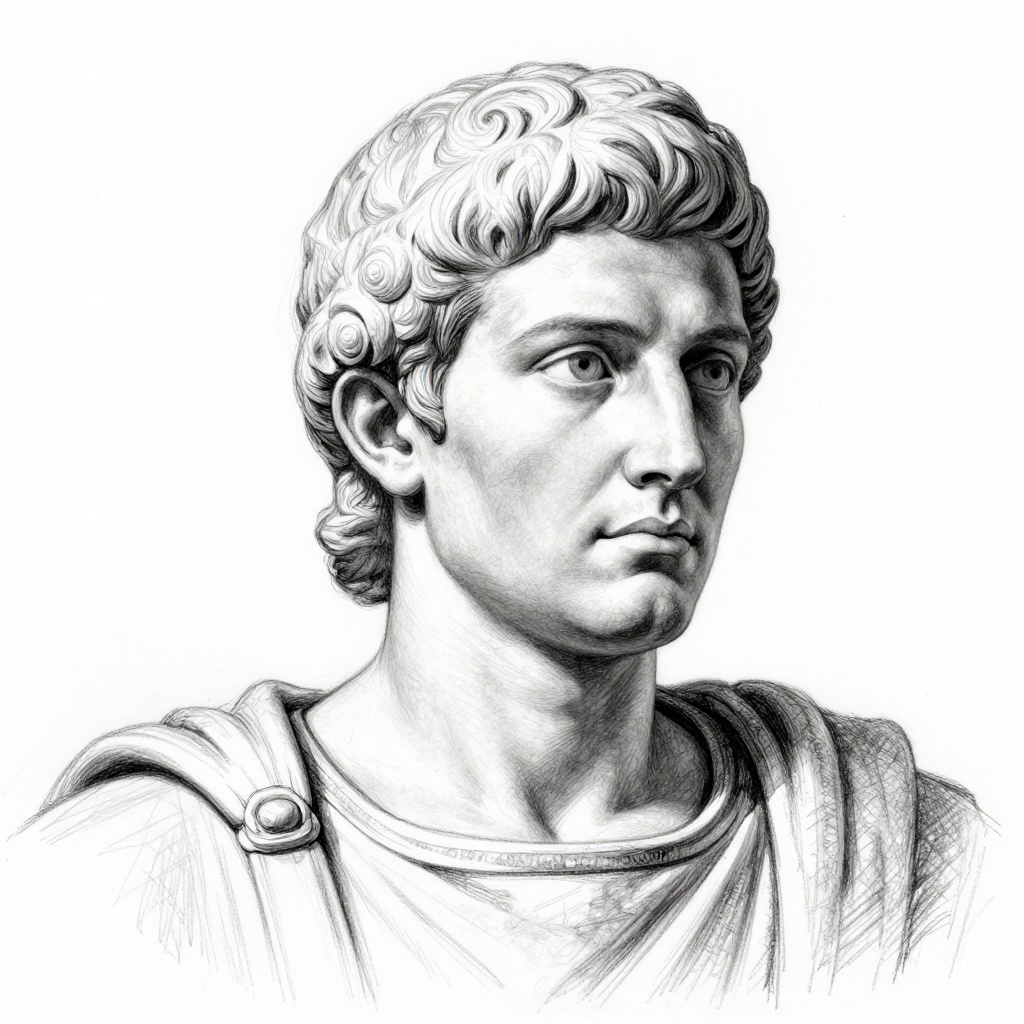
Comments