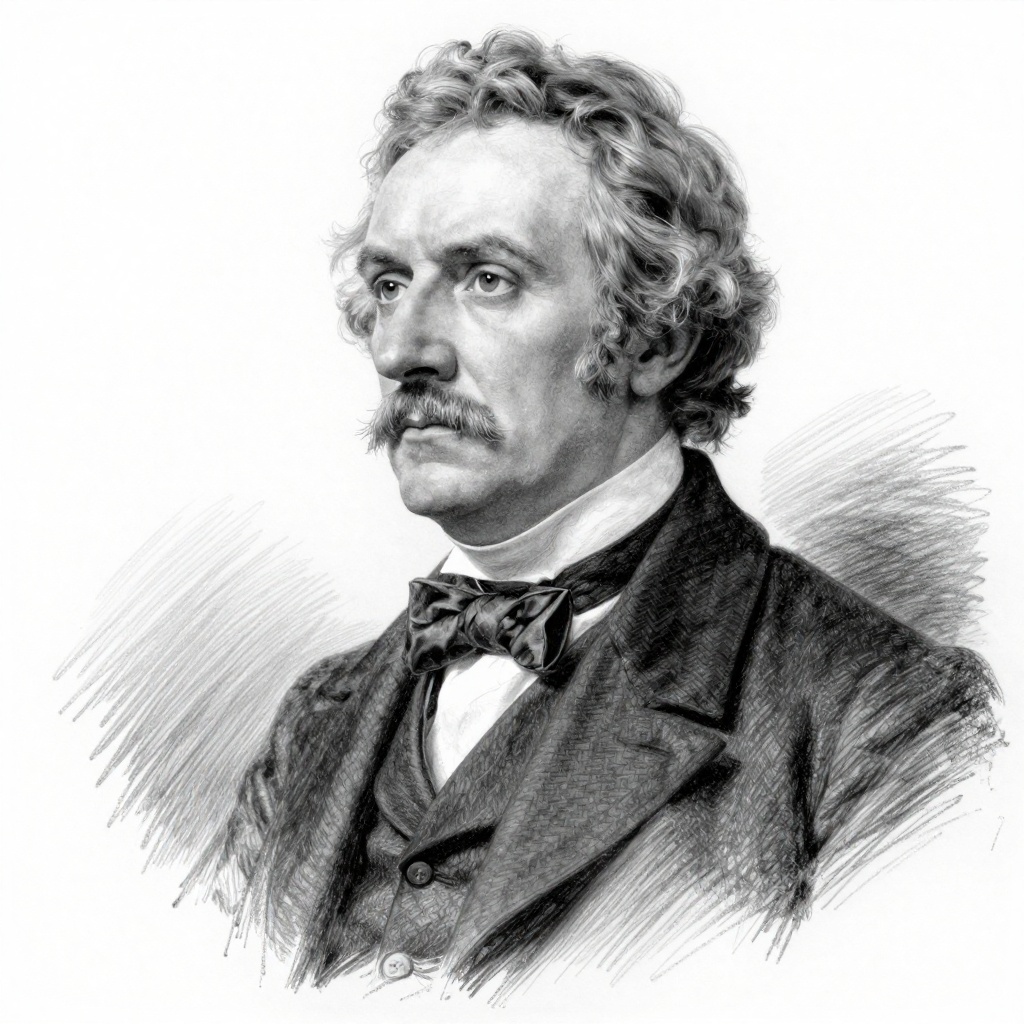
When you fear something, learn as much about it as you can. Knowledge conquers fear. — Edmund Burke

When you fear something, learn as much about it as you can. Knowledge conquers fear.

Author: Edmund Burke

Insight: Fear thrives in the dark. When you're anxious about something—a medical procedure, a difficult conversation, a new job—your mind fills the blanks with worst-case scenarios. But the moment you start gathering actual information, something shifts. You move from imagining the unknown to understanding the real shape of the problem. That's when fear loses its grip. This works because fear and knowledge occupy different spaces in your mind. Fear is emotional and vague; knowledge is specific and actionable. When you learn the actual statistics about something you dread, or talk to someone who's been through it, or read about how it actually works, your brain has something concrete to hold onto instead of spiraling. You might still feel nervous, but nervous is manageable. Panic is what comes from mystery. The subtle part people miss is that you don't need to become an expert. You just need enough knowledge to feel like you have some agency. Even learning one concrete fact—what to expect, what you can control, what others have done—can be the difference between paralyzing fear and the kind of healthy caution that actually keeps you safe. The antidote isn't bravery. It's clarity.

Knowledge turns fear into caution

When you fear something, learn as much about it as you can. Knowledge conquers fear.

Fear thrives in the dark. When you're anxious about something—a medical procedure, a difficult conversation, a new job—your mind fills the blanks with worst-case scenarios. But the moment you start gathering actual information, something shifts. You move from imagining the unknown to understanding the real shape of the problem. That's when fear loses its grip.

This works because fear and knowledge occupy different spaces in your mind. Fear is emotional and vague; knowledge is specific and actionable. When you learn the actual statistics about something you dread, or talk to someone who's been through it, or read about how it actually works, your brain has something concrete to hold onto instead of spiraling. You might still feel nervous, but nervous is manageable. Panic is what comes from mystery.

The subtle part people miss is that you don't need to become an expert. You just need enough knowledge to feel like you have some agency. Even learning one concrete fact—what to expect, what you can control, what others have done—can be the difference between paralyzing fear and the kind of healthy caution that actually keeps you safe. The antidote isn't bravery. It's clarity.

AI generated

Comments

Sign in to leave a comment or reply to one.

Sign in

Edmund Burke

Edmund Burke (1729–1797) was an Irish statesman, philosopher, and political theorist. He is best known for his advocacy of conservative thought, his opposition to the French Revolution, and his support for individual liberties and the rights of colonized peoples. Burke's writings had a profound influence on political philosophy and are considered foundational to modern conservatism.

Graph

Related