Quote · Added 7 March 2026
You can never plan the future by the past.
No ratings yet
Quote · Added 7 March 2026
We spend a surprising amount of mental energy trying to predict what's coming by studying what already happened. Your last job interview went badly, so you assume the next one will too. The market crashed before, so it will again. You've been hurt in relationships, so you brace for the same pattern. It feels logical, even protective—but Burke's point cuts deeper than that. The past is real data, sure, but it's not a blueprint.
The trap is that we treat history like a instruction manual when it's really just a story about different circumstances. Technology changes, people change, contexts shift. Your boss isn't your father. This economy isn't 2008. That person isn't your ex. When we lock ourselves into "based on what I've seen," we stop noticing what's actually new about right now. We make decisions from fear instead of from what's actually in front of us.
This doesn't mean ignoring lessons learned. It means holding them lightly enough to see what's different. The future won't be invented by people who are too busy defending against yesterday's problems. It gets made by people willing to notice that the conditions have changed, even if the pattern looks familiar. That requires a different kind of courage than just being cautious.
1729–1797·lived 68 years
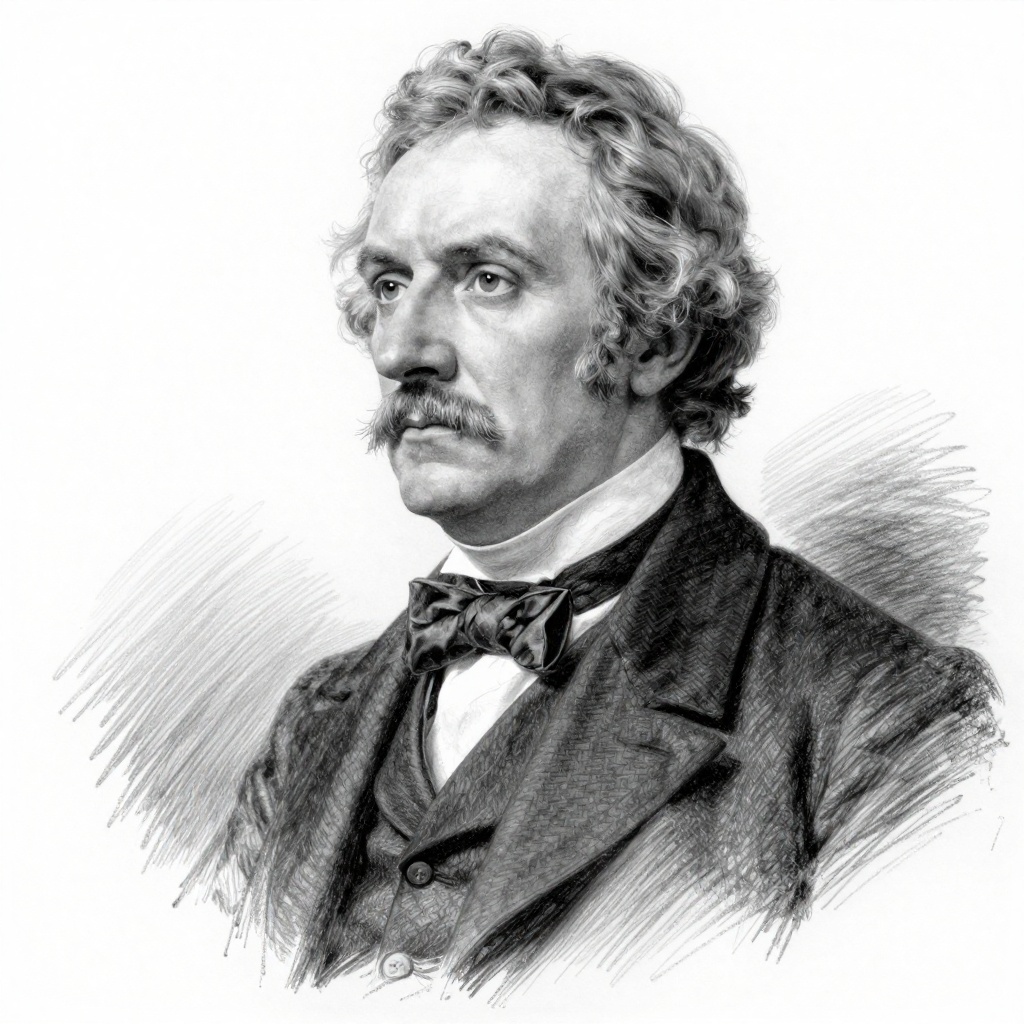
Edmund Burke (1729–1797) was an Irish statesman, philosopher, and political theorist. He is best known for his advocacy of conservative thought, his opposition to the French Revolution, and his support for individual liberties and the rights of colonized peoples. Burke's writings had a profound influence on political philosophy and are considered foundational to modern conservatism.
Comments