Quote · Added 6 July 2026
Everyone wears a mask of kindness, just as the devil wears human skin.
No ratings yet
Quote · Added 6 July 2026
We like to think we can spot the truly kind people—the ones who are generous without calculation, who help without needing recognition. But Nietzsche's observation cuts deeper: maybe the mask itself is the point. We're all performing kindness, at least some of the time. Your coworker who smiles through gritted teeth, the friend who listens patiently when they're exhausted, you yourself being polite to someone who irritates you—these aren't necessarily fake moments. They're just moments where kindness is a deliberate choice, not an overflow of genuine feeling.
The unsettling part isn't that kindness is performed. It's that this cuts both ways. The person doing real harm—the manipulator, the betrayer—also wears the mask. They're practicing the same social choreography. You can't reliably tell who means it and who doesn't just by watching the surface. This doesn't mean kindness is worthless or that everyone is secretly ruthless. Rather, it means kindness without some element of choice and discipline doesn't exist. The mask isn't the problem. What matters is whether the person behind it is trying to build something decent or exploit something vulnerable.
1844–1900·lived 55 years
Friedrich Nietzsche (1844–1900) was a German philosopher, cultural critic, and poet. He is known for his profound and controversial ideas on existentialism, morality, and the concept of the "Übermensch" (Superman), which have had a significant influence on Western philosophy and intellectual thought.
Also by Friedrich Nietzsche
Nature does not punish the evil, it punishes the weak.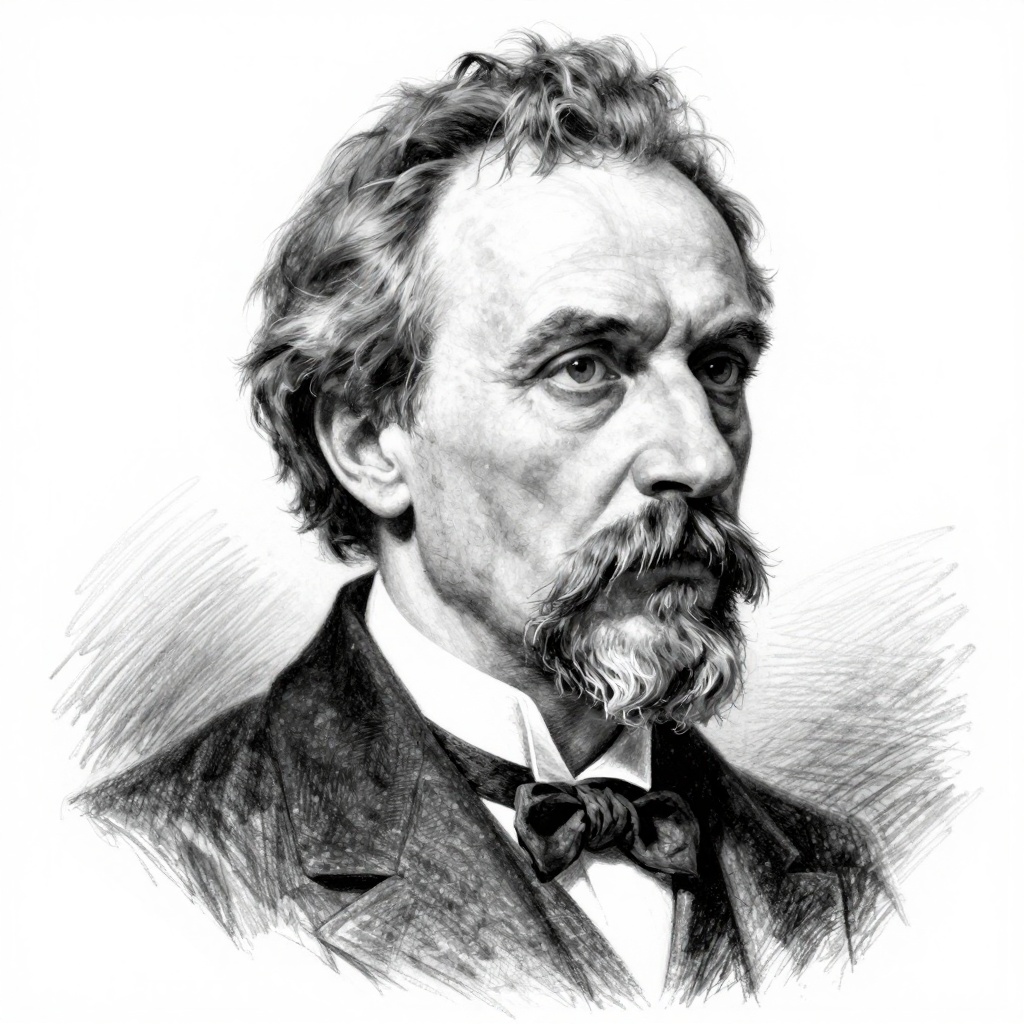
Comments