Quote · Added 11 February 2026
In matters of style, swim with the current; in matters of principle, stand like a rock.
Thomas JeffersonMonticello, 2011
Quote · Added 11 February 2026
We live in a culture that treats almost everything like a principle worth defending—your lunch preferences, your phone choice, the way you organize your closet. Meanwhile, actual principles get treated casually. This quote cuts through that confusion with a simple heuristic: know the difference between what matters and what doesn't.
The "swim with the current" part isn't about being spineless. It's about recognizing that style is inherently social and temporary. Your fashion sense, your communication preferences, the tools you use—these change with context and time. Fighting them wastes energy you need for things that actually count. The person who insists on using a typewriter to make a point about authenticity is mistaking stubbornness for integrity.
But here's where it gets interesting: the hard part isn't knowing to stand firm on principles. It's actually knowing which things are principles and which are just preferences we've convinced ourselves matter. We're all tempted to calcify our tastes and opinions into moral stands. The real test is staying flexible enough to adapt when you're wrong, while staying firm enough to hold your ground when it counts.
1743–1826·lived 83 years
Thomas Jefferson was an American Founding Father who served as the third President of the United States from 1801 to 1809. He is best known for being the primary author of the Declaration of Independence and for his advocacy of democracy, republicanism, and individual rights. Jefferson also founded the University of Virginia and was a prominent architect, inventor, and philosopher.
Also by Thomas Jefferson
I believe that every human mind feels pleasure in doing good to another.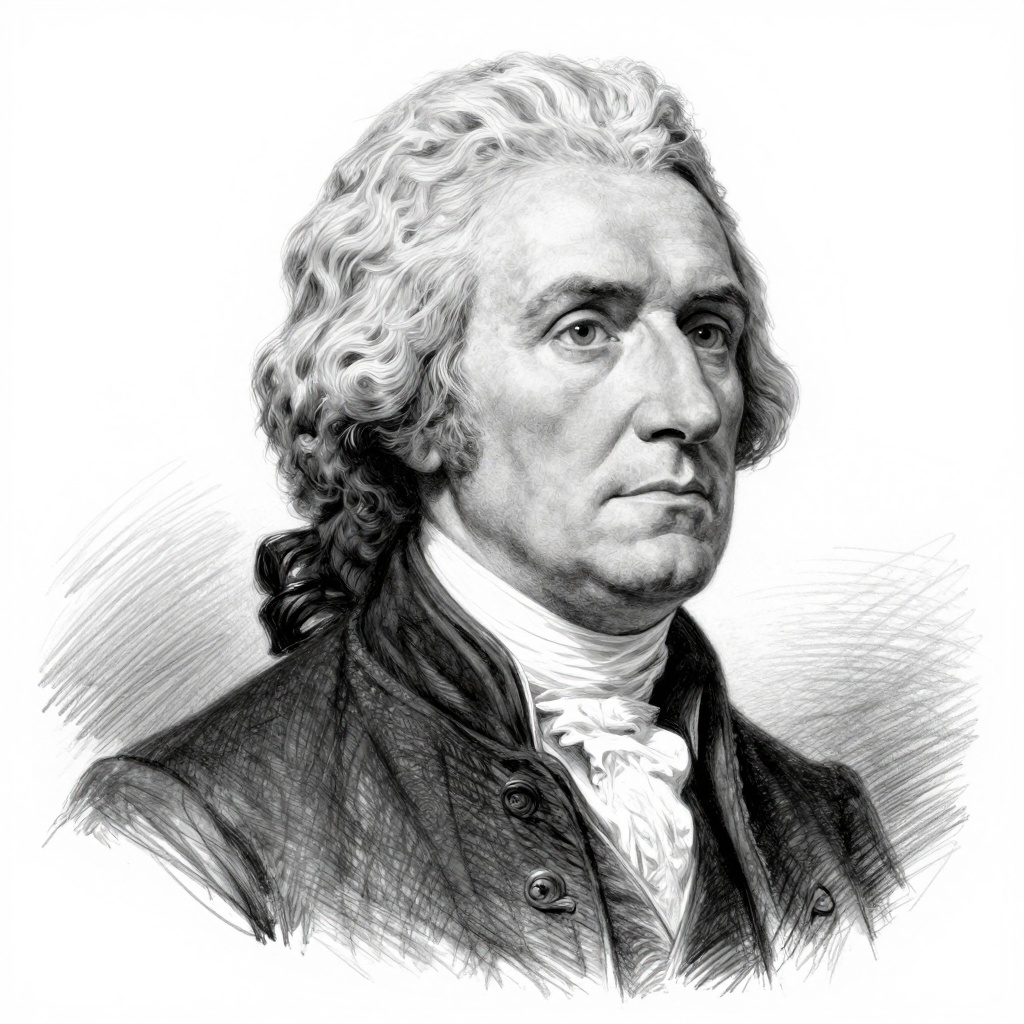
Comments