Quote · Added 23 January 2026
My whole religion is this: do every duty, and expect no reward for it, either here or hereafter.
Henry David ThoreauA Yankee in Canada: With Anti-slavery and Reform Papers, ed, 1866
No ratings yet
Quote · Added 23 January 2026
There's something quietly radical about this idea, especially in a world that's basically structured around rewards. We do our jobs to get paychecks. We exercise to earn health or a better appearance. We're nice to people partly because we want them to be nice back. Thoreau's suggesting something almost uncomfortable: what if you just did what you're supposed to do—actually did it well—and then let go of any expectation that the universe would thank you for it?
The tricky part is that this isn't cynicism or bitterness. He's not saying the world won't reward you, or that you shouldn't hope for good things. He's saying to untangle your sense of duty from your hunger for payoff. When you do that, something shifts. You stop half-doing things while secretly calculating whether they're "worth it." You stop resenting people or circumstances when recognition doesn't arrive. You're freed up to actually care about the work itself.
This matters today because we're exhausted partly by keeping score. We want credit for our efforts, and when it doesn't come—and it often doesn't—we feel cheated or deflated. But the moment you accept that doing right is its own thing, separate from what you'll get in return, a lot of that weight lifts. Duty becomes simpler. Cleaner. Less about you.
1817–1862·lived 44 years
Henry David Thoreau was an American essayist, poet, and philosopher, known for his transcendentalist writings advocating for individualism, nature appreciation, and civil disobedience. He is best known for his book "Walden, or Life in the Woods," which reflects on simple living in natural surroundings and has inspired generations of environmentalists and activists.
Also by Henry David Thoreau
That man is richest whose pleasures are cheapest.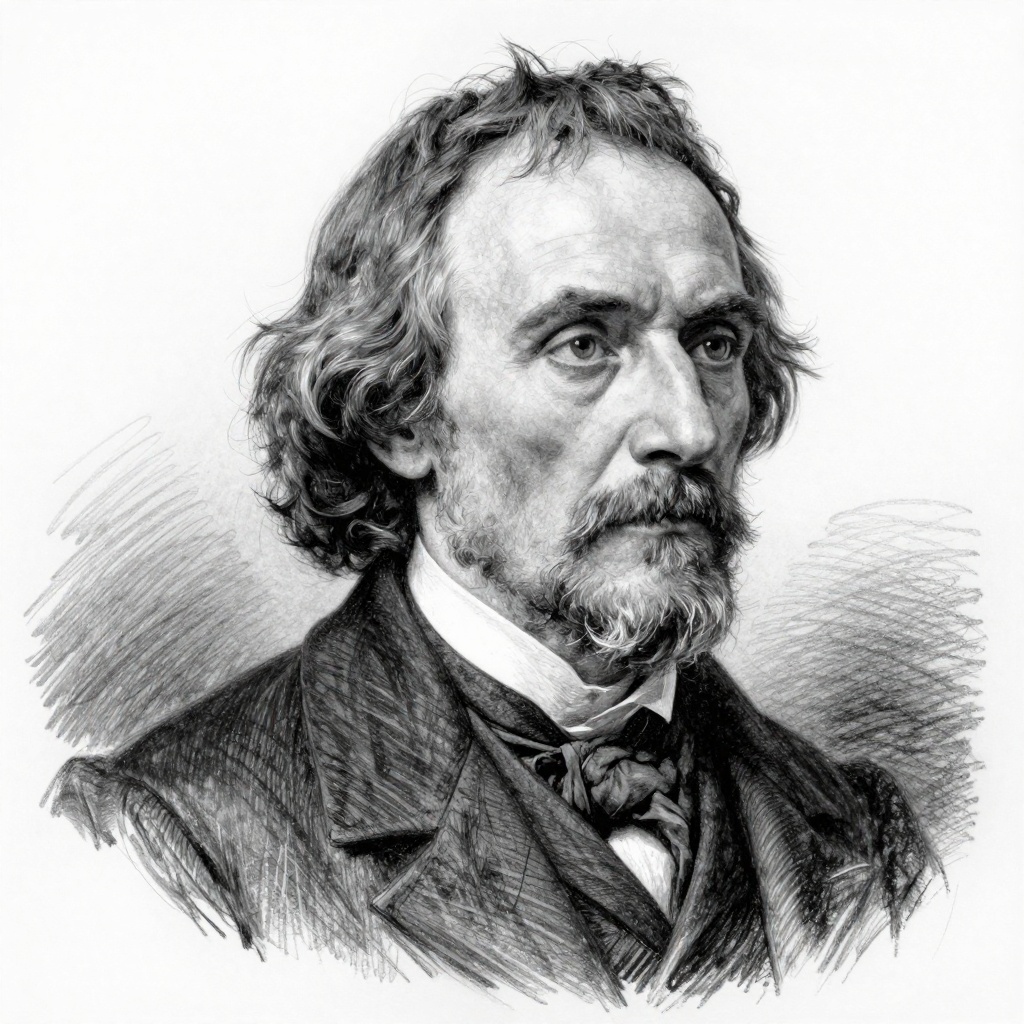
Comments