Quote · Added 29 March 2026
Reading
AI generatedWhen honesty costs friendship
We live in an age where loyalty feels like the ultimate virtue. Stand by your people. Have their back no matter what. But Aristotle's ancient wisdom cuts through this in a way that still stings: sometimes the truest form of friendship is telling someone hard truths rather than comfortable lies.
Think about the moments when it would've been easier to stay quiet. When a friend is making a terrible decision, or behaving in a way that's hurting them or others. The instinct is often to protect the relationship by keeping quiet, or to soften the truth so much it becomes meaningless. But Aristotle suggests this is actually a betrayal of real friendship. A friend who can't challenge you on important things isn't really a friend—they're a mirror that only reflects what you want to see.
The tricky part is that this duty requires something harder than just blurting out criticism: it requires genuine care about the other person's actual wellbeing, not just being right. It means having the conversation in private, with humility about your own fallibility. Real friendship, by this logic, means sometimes being the person willing to risk temporary tension for someone's long-term good.
The author
All 82 quotes by Aristotle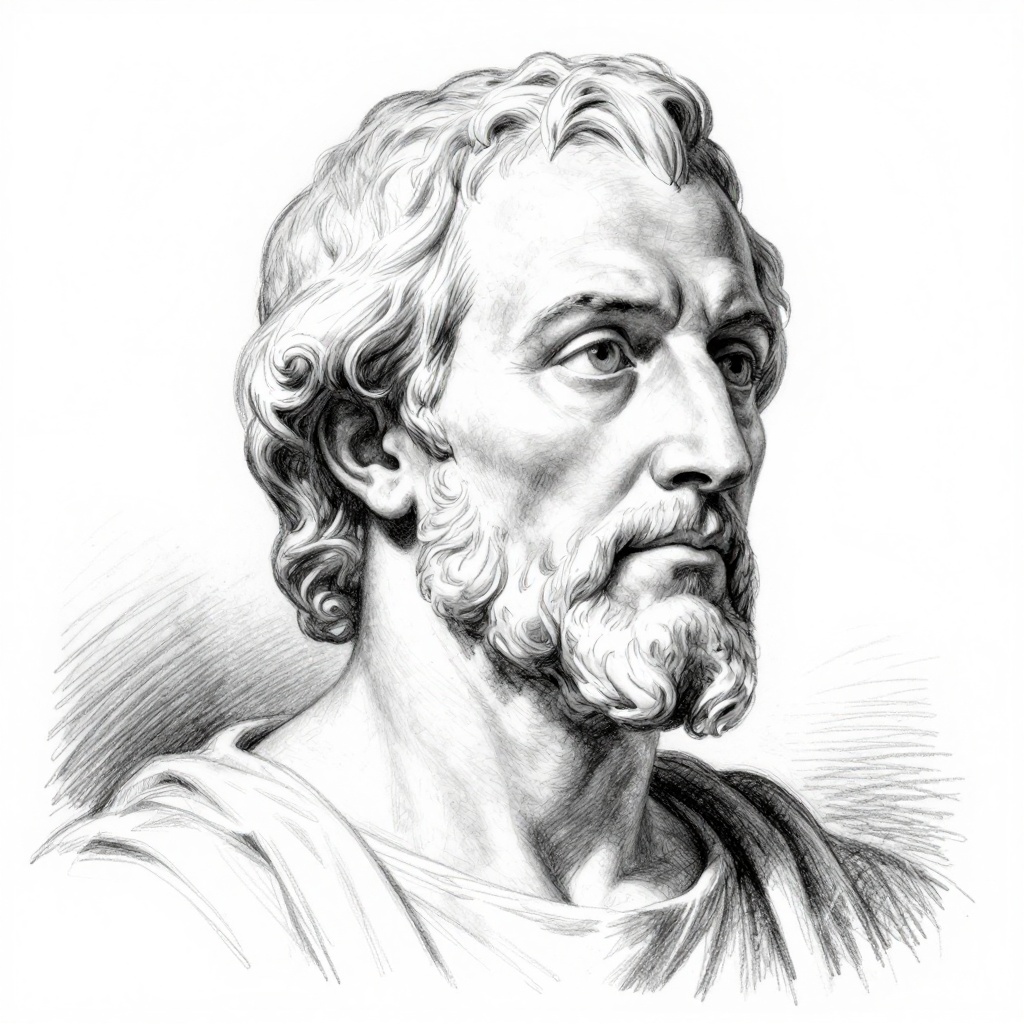
Aristotle
d. 322
Aristotle was a Greek philosopher and polymath who lived from 384 to 322 BC. He is known for being one of the greatest thinkers in Western philosophy and for his contributions to a wide array of subjects including metaphysics, ethics, politics, biology, and logic. Aristotle was a student of Plato and the teacher of Alexander the Great.
Comments