Quote · Added 28 March 2026
That man is richest whose pleasures are cheapest.
No ratings yet
Filed underrichness·pleasure·simplicity
Quote · Added 28 March 2026
Filed underrichness·pleasure·simplicity
The trap most of us fall into is assuming that better feelings come from better stuff. A nicer restaurant will taste better, an expensive vacation will feel more special, premium gear will make the hobby more enjoyable. But Thoreau points to something that doesn't require a credit card: the person who finds genuine pleasure in a walk, a conversation, or a problem solved is actually living wealthier than someone constantly chasing the next expensive experience.
What's tricky is that this isn't about being broke or noble poverty. It's about noticing that some of your best moments—laughing with a friend, figuring something out, reading a good book you borrowed—cost nothing and hit just as hard as anything money can buy. The richness comes from a kind of attention and curiosity, not from the price tag. When you can enjoy a simple meal, free entertainment, or your own thoughts without constantly feeling like you're missing out on the premium version, you've actually solved a problem that money can't solve.
The counterintuitive part: people with lots of money sometimes spend their whole lives chasing expensive pleasures because cheap ones feel suspicious to them. Meanwhile, someone who's learned to genuinely enjoy modest things has already found the thing wealthy people are still searching for—actual satisfaction.
1817–1862·lived 44 years
Henry David Thoreau was an American essayist, poet, and philosopher, known for his transcendentalist writings advocating for individualism, nature appreciation, and civil disobedience. He is best known for his book "Walden, or Life in the Woods," which reflects on simple living in natural surroundings and has inspired generations of environmentalists and activists.
Also by Henry David Thoreau
I am grateful for what I am and have. My thanksgiving is perpetual.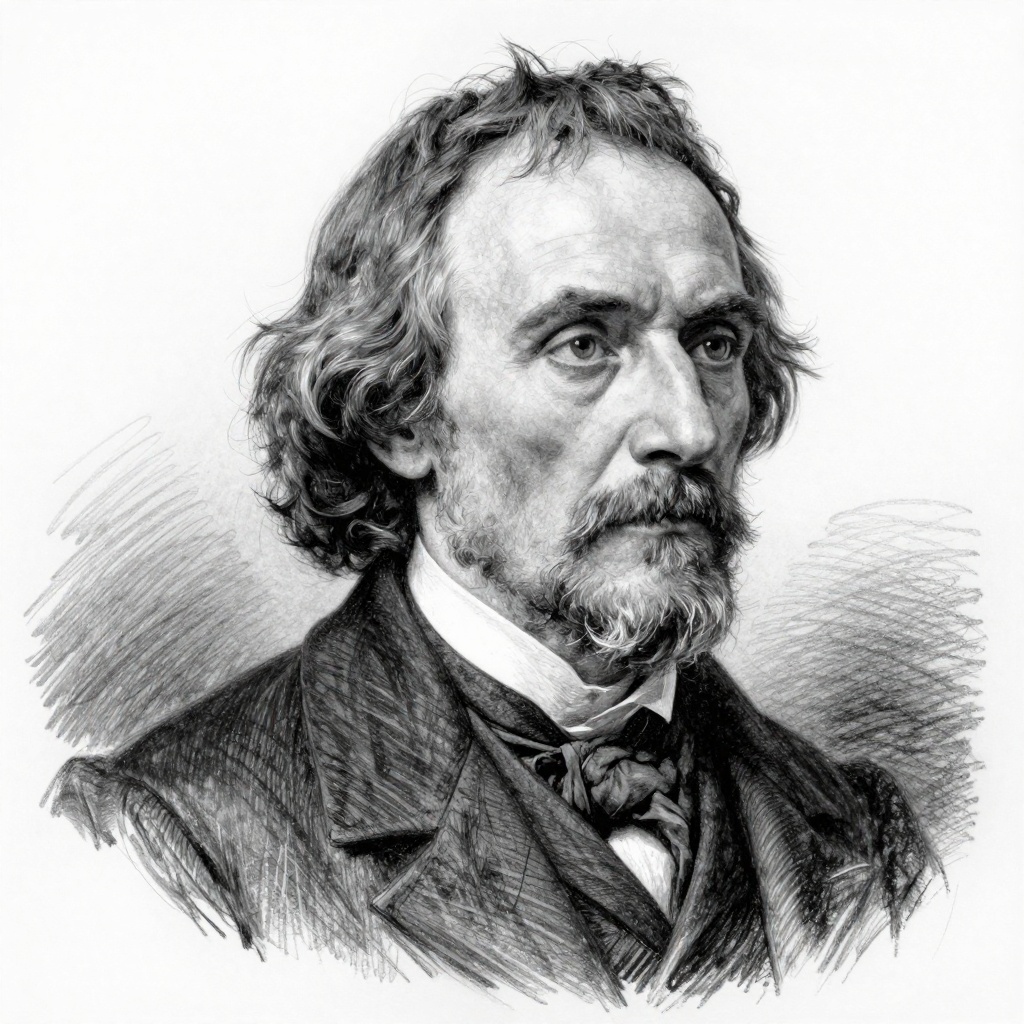
Comments