Quote · Added 7 March 2026
It appears to be a law that you cannot have a deep sympathy with both man and nature.
No ratings yet
Quote · Added 7 March 2026
There's something almost refreshing about how baldly Thoreau states this, because most of us feel the tension without naming it. If you're genuinely absorbed in the woods—really paying attention to how light moves through leaves, how silence actually sounds—you're often doing it alone, away from the messy complications of other people. And if you're deeply invested in human relationships, in the texture of community and conversation, you're usually not sitting by a pond for hours watching fish.
The twist is that this isn't really about choosing between nature and people. It's about the kind of attention each demands. Nature requires a quality of patience and receptiveness that our social brains aren't always wired for—we're built to read faces, navigate hierarchy, manage relationships. When we're in those social dynamics, we're in a different mode entirely. The real insight isn't that you have to pick one forever, but that deep presence in either realm tends to pull you away from the other, at least temporarily.
What's changed since Thoreau's time is that most of us no longer even feel the tension—we've mostly chosen the human world by default, scrolling through our phones instead of noticing either nature or genuine human connection. Maybe the point isn't that the choice is impossible, but that making it consciously, even temporarily, matters more than we think.
1817–1862·lived 44 years
Henry David Thoreau was an American essayist, poet, and philosopher, known for his transcendentalist writings advocating for individualism, nature appreciation, and civil disobedience. He is best known for his book "Walden, or Life in the Woods," which reflects on simple living in natural surroundings and has inspired generations of environmentalists and activists.
Also by Henry David Thoreau
That man is richest whose pleasures are cheapest.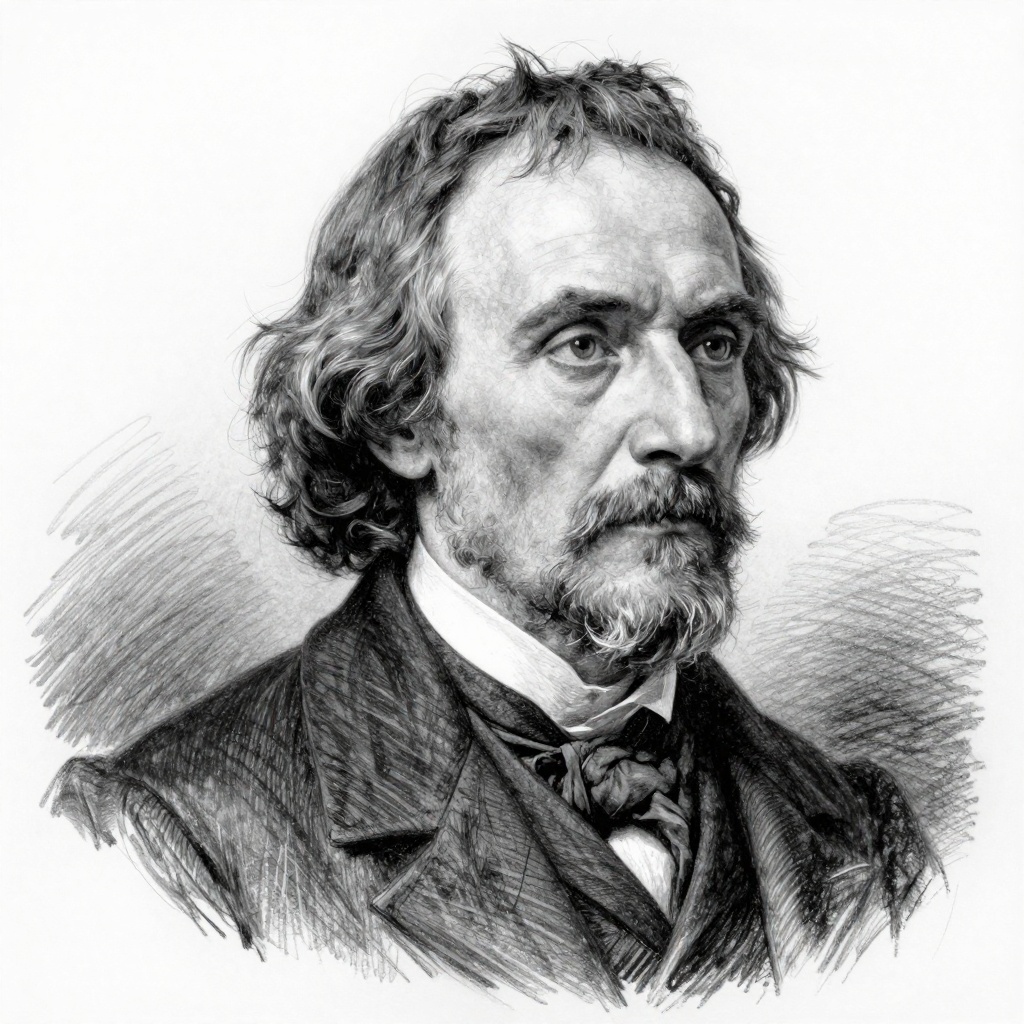
Comments