Quote · Added 27 March 2026
I am grateful for what I am and have. My thanksgiving is perpetual.
No ratings yet
Filed undergratitude·thanksgiving·reflection
Quote · Added 27 March 2026
Filed undergratitude·thanksgiving·reflection
There's something almost stubborn about Thoreau's gratitude here—it's not the temporary high you get from a good day or a stroke of luck. He's talking about a baseline state, a perpetual thing, which means he found a way to be grateful even when circumstances weren't ideal. He lived simply, worked sporadically, and spent years in relative isolation. Yet somehow he extracted meaning from it all.
The trick might be that Thoreau learned to separate gratitude from contentment. You can be grateful for what you have without pretending everything is perfect or that you don't want growth. Gratitude becomes less about denying problems and more about noticing what's actually working—your health, your mind, a person who listens, time to think. That shift changes everything. It stops gratitude from feeling like resignation and makes it feel like clear-eyed aliveness.
In a world designed to keep us perpetually dissatisfied—always upgrading, comparing, wanting more—perpetual thanksgiving is actually radical. It's not about toxic positivity or ignoring real struggles. It's about refusing to let the chasing of "more" completely eclipse what's already here.
1817–1862·lived 44 years
Henry David Thoreau was an American essayist, poet, and philosopher, known for his transcendentalist writings advocating for individualism, nature appreciation, and civil disobedience. He is best known for his book "Walden, or Life in the Woods," which reflects on simple living in natural surroundings and has inspired generations of environmentalists and activists.
Also by Henry David Thoreau
That man is richest whose pleasures are cheapest.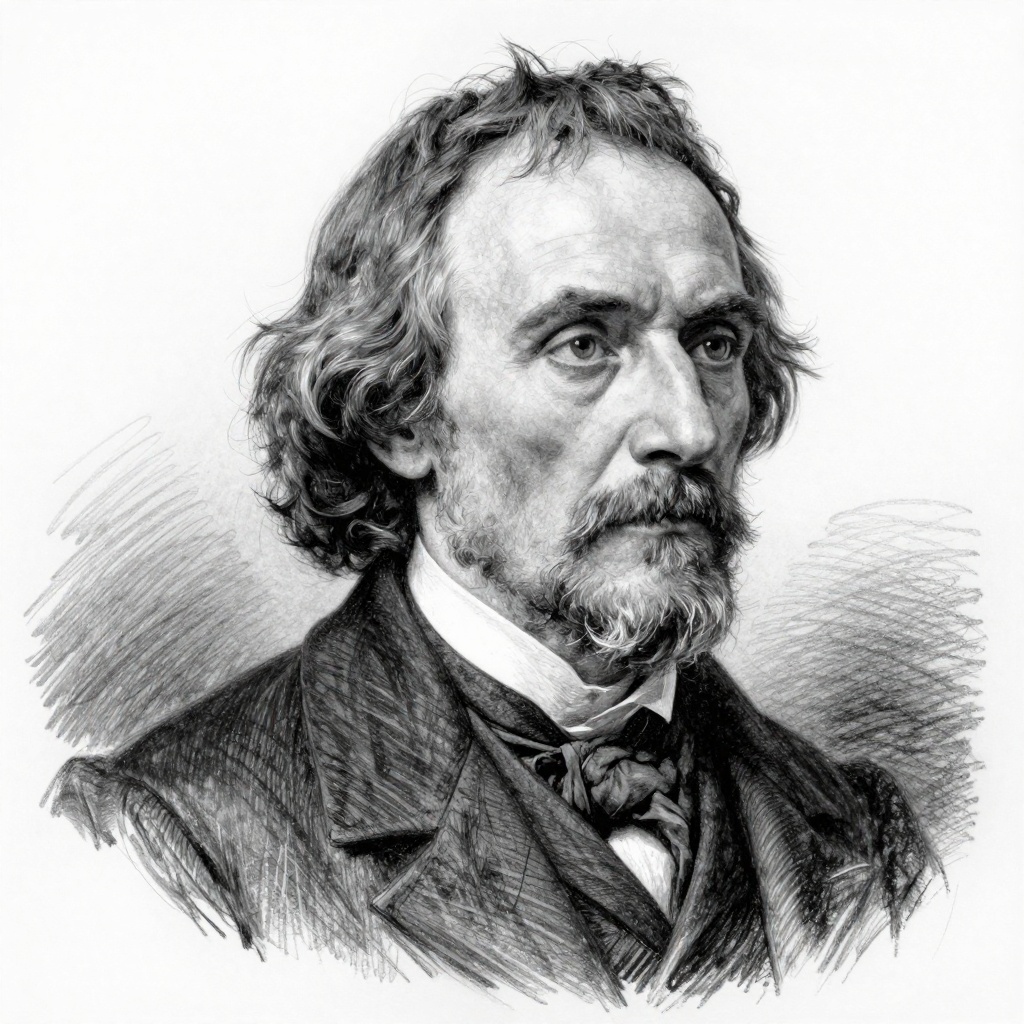
Comments