Quote · Added 14 February 2026
The best protection any woman can have... is courage.
Elizabeth Cady StantonThe Woman's Bible, 1895
No ratings yet
Filed undercourage·empowerment·strength
Quote · Added 14 February 2026
Filed undercourage·empowerment·strength
There's a practical wisdom buried in this that goes beyond the dramatic. Courage isn't just about standing up to injustice—though Stanton certainly meant that—it's about the smaller, everyday moments when you stay quiet because it feels safer. It's the courage to name what's wrong in a relationship, to ask for what you need at work, to walk away from a situation that doesn't serve you, even when there's no backup plan. These moments require a different kind of strength than physical protection, and it's one you have to generate yourself.
What makes this insight still sharp is how it flips the usual narrative. We're often told that protection comes from external things—legal systems, partners, institutions, the right connections. But Stanton points to something internal and harder to take away: your own willingness to act. That doesn't mean courage solves everything. It means that when you lack it, you're often waiting for permission or rescue that might never come. When you have it, you're no longer powerless, even when circumstances are unfair.
The real twist is that courage often looks smaller than we expect. It's not always the dramatic choice. Sometimes it's simply refusing to shrink yourself to make others comfortable, or trusting yourself enough to say "no" without over-explaining. That's the protection Stanton was really talking about—the kind you can't lose because it lives in you.
1815–1902·lived 86 years
Elizabeth Cady Stanton (1815-1902) was an American social activist, abolitionist, and suffragist who played a pivotal role in the early women's rights movement. She is best known for her work in organizing the Seneca Falls Convention in 1848 and for co-authoring the Declaration of Sentiments, which outlined the grievances of women and called for equal rights, including women's suffrage. Stanton's advocacy and writings helped lay the foundation for future advancements in women's rights in the United States.
Also by Elizabeth Cady Stanton
The moment we begin to fear the opinions of others and hesitate to tell the truth that is...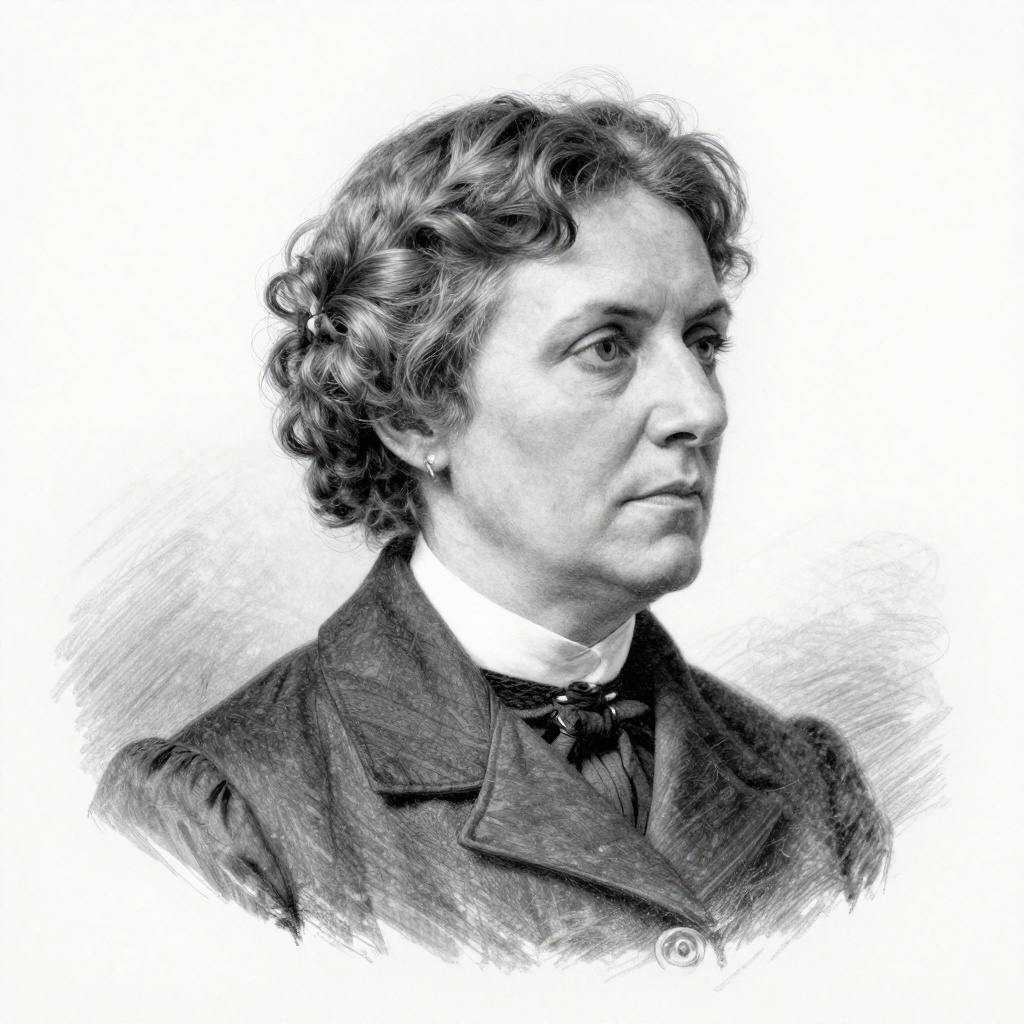
Comments