Quote · Added 15 February 2026
I shall not grow conservative with age.
No ratings yet
Filed underage·growth·independence
Quote · Added 15 February 2026
Filed underage·growth·independence
There's a common assumption baked into how we talk about getting older: that we naturally become more cautious, more set in our ways, more resistant to change. We joke about it, plan for it, almost expect it as a law of nature. But Stanton's defiance of this idea points to something real—that rigidity isn't inevitable; it's often a choice, sometimes dressed up as wisdom.
What makes this quote unsettling is that it cuts against both directions. It's not just about staying open-minded, which sounds nice and vague. It's about refusing to use age as an excuse to stop questioning, stop pushing, stop believing things could be different. She lived through decades of fighting for women's rights while being told she should know better, should settle down, should accept how things are. The real insight is that conservatism—playing it safe, protecting what you have, closing ranks—is often about fear dressed as realism. It creeps in quietly when we're tired or when we've already won a few battles.
The question this raises now isn't whether you'll stay progressive about politics. It's whether you'll keep that same restless curiosity about your own life, your assumptions, the way things have always been done. That's the harder promise to keep.
1815–1902·lived 86 years
Elizabeth Cady Stanton (1815-1902) was an American social activist, abolitionist, and suffragist who played a pivotal role in the early women's rights movement. She is best known for her work in organizing the Seneca Falls Convention in 1848 and for co-authoring the Declaration of Sentiments, which outlined the grievances of women and called for equal rights, including women's suffrage. Stanton's advocacy and writings helped lay the foundation for future advancements in women's rights in the United States.
Also by Elizabeth Cady Stanton
The moment we begin to fear the opinions of others and hesitate to tell the truth that is...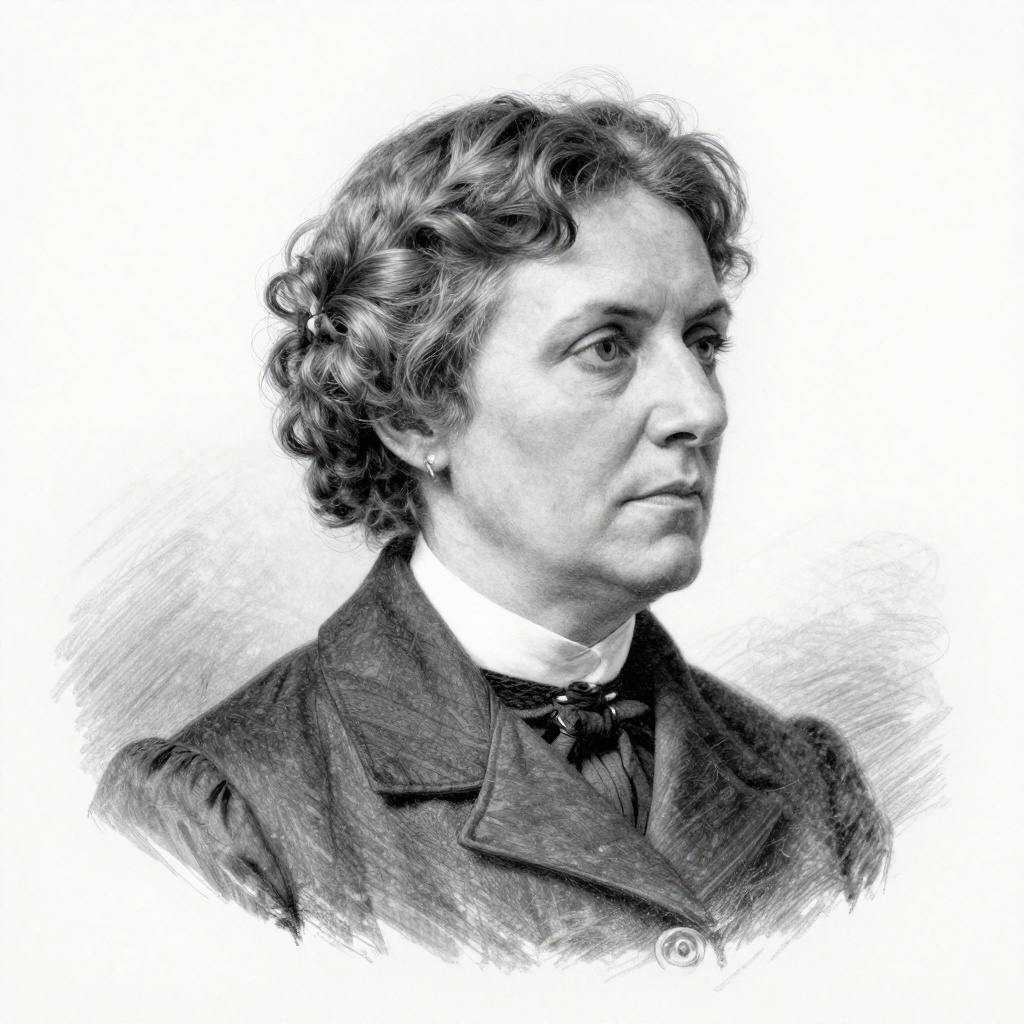
Comments