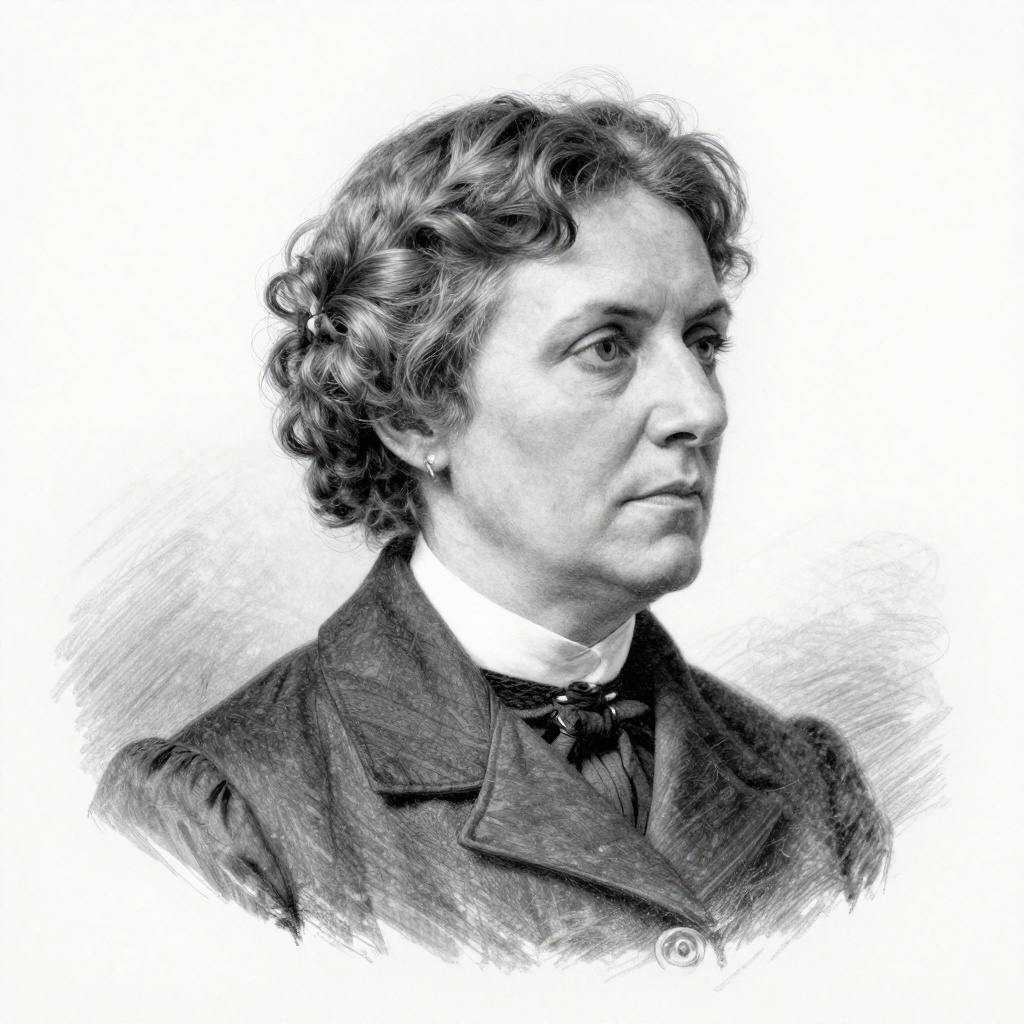
The moment we begin to fear the opinions of others and hesitate to tell the truth that is in us, and from moti... — Elizabeth Cady Stanton
The moment we begin to fear the opinions of others and hesitate to tell the truth that is in us, and from motives of policy are silent when we should speak, the divine floods of light and life no longer flow into our souls.
Author: Elizabeth Cady Stanton
Insight: There's something quietly devastating about self-censorship—not the dramatic kind where you're silenced by force, but the kind you do to yourself. You soften your real opinion at dinner because the room goes quiet. You nod along to something you don't believe. You swallow the thing you actually wanted to say because you're calculating whether it's worth the awkwardness. In that moment, something small does drain away. Not just confidence, but a kind of aliveness. Stanton captures something precise here: the cost isn't just external—it's internal. When we're constantly filtering ourselves through what we think others will accept, we stop knowing what we actually think. That voice gets quieter until we can barely hear it ourselves. The "divine floods" she mentions isn't mystical—it's the feeling of being fully present, fully honest, fully engaged with your own life. You get it when you say something true and risky, when you stop performing. The tricky part is that staying silent often feels safer and smarter. But the bargain is real: you trade temporary comfort for a slower kind of suffocation. The question isn't whether everyone will agree with you. It's whether you're willing to know yourself.