Quote · Added 14 February 2026
There are only two people who can tell you the truth about yourself - an enemy who has lost his temper and a friend who loves you dearly.
No ratings yet
Filed undertruth·friendship·honesty
Quote · Added 14 February 2026
Filed undertruth·friendship·honesty
We often assume honesty comes from people who like us, but there's something uncomfortably real about what anger reveals. When someone genuinely irritated with you speaks freely, they're not performing or softening the edges—they're just saying what they actually think. The problem is their clarity comes wrapped in emotion, so you have to sort through the venom to find the useful part. Your friend who loves you does something trickier: they care enough to tell you hard things, but they frame them kindly, which sometimes makes them harder to hear because you don't feel the urgency of the truth.
The surprising bit is that neither source is pure or safe. The angry enemy might be right about your flaws but wrong about what they mean. The devoted friend might edit things out of mercy rather than honesty. Real self-knowledge probably requires checking what both people said against each other, stripping away the anger from one and the softening from the other, then asking yourself if there's something true underneath.
This matters because most of us surround ourselves with people who are too polite or too detached to tell us anything real. We end up living with blind spots about ourselves that everyone else can see clearly.
d. 360
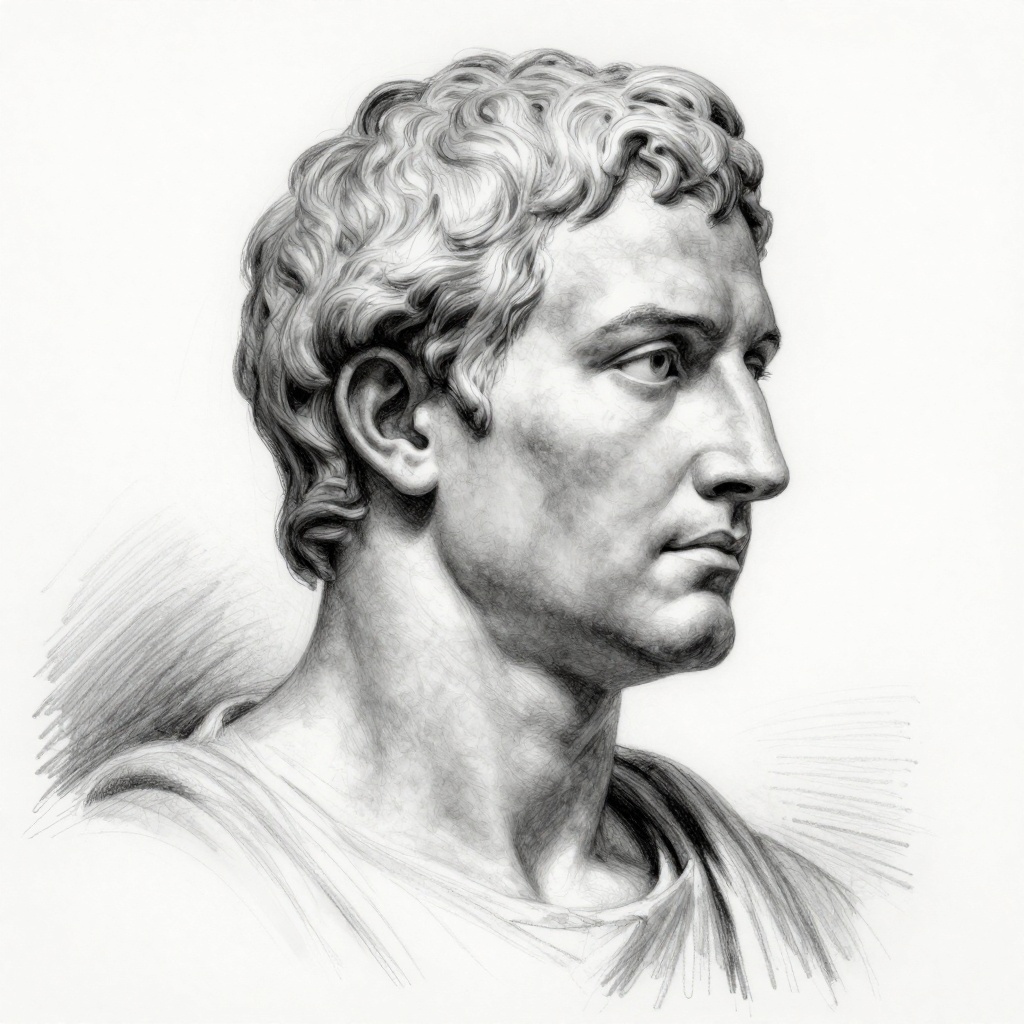
Antisthenes (c. 445–365 BCE) was a Greek philosopher and a prominent disciple of Socrates, known for founding the Cynic school of philosophy. He emphasized virtue, self-sufficiency, and asceticism, advocating for a life in accordance with nature and criticizing the materialism of society. His teachings laid the groundwork for later Cynics, including Diogenes of Sinope.
Comments