Quote · Added 14 February 2026
The most useful piece of learning for the uses of life is to unlearn what is untrue.
No ratings yet
Quote · Added 14 February 2026
We spend years absorbing lessons, habits, and beliefs—some useful, plenty not. But there's a strange asymmetry: we're trained to add knowledge, not to subtract it. The real breakthrough often isn't discovering something new; it's finally discarding something old that's been quietly running your life.
Think about the small untruths we carry. Maybe you believe you're "not a morning person" when really you just never tried sleeping earlier. Or you think you can't write, speak up in meetings, or learn math—not because you tested this thoroughly, but because someone said so in third grade. These aren't small mistakes; they're invisible walls we maintain on autopilot. The unlearning part is hard because it means admitting you were wrong, or that something you've relied on for years actually doesn't serve you.
The practical value is underrated. Unlearning often delivers faster results than learning does. Drop the belief that networking feels "icky" and suddenly career doors open. Stop believing you need permission to rest, and exhaustion eases. Antisthenes was pointing to something most productivity advice misses: sometimes the fastest way forward isn't another step—it's removing the brake you didn't know was engaged.
d. 360
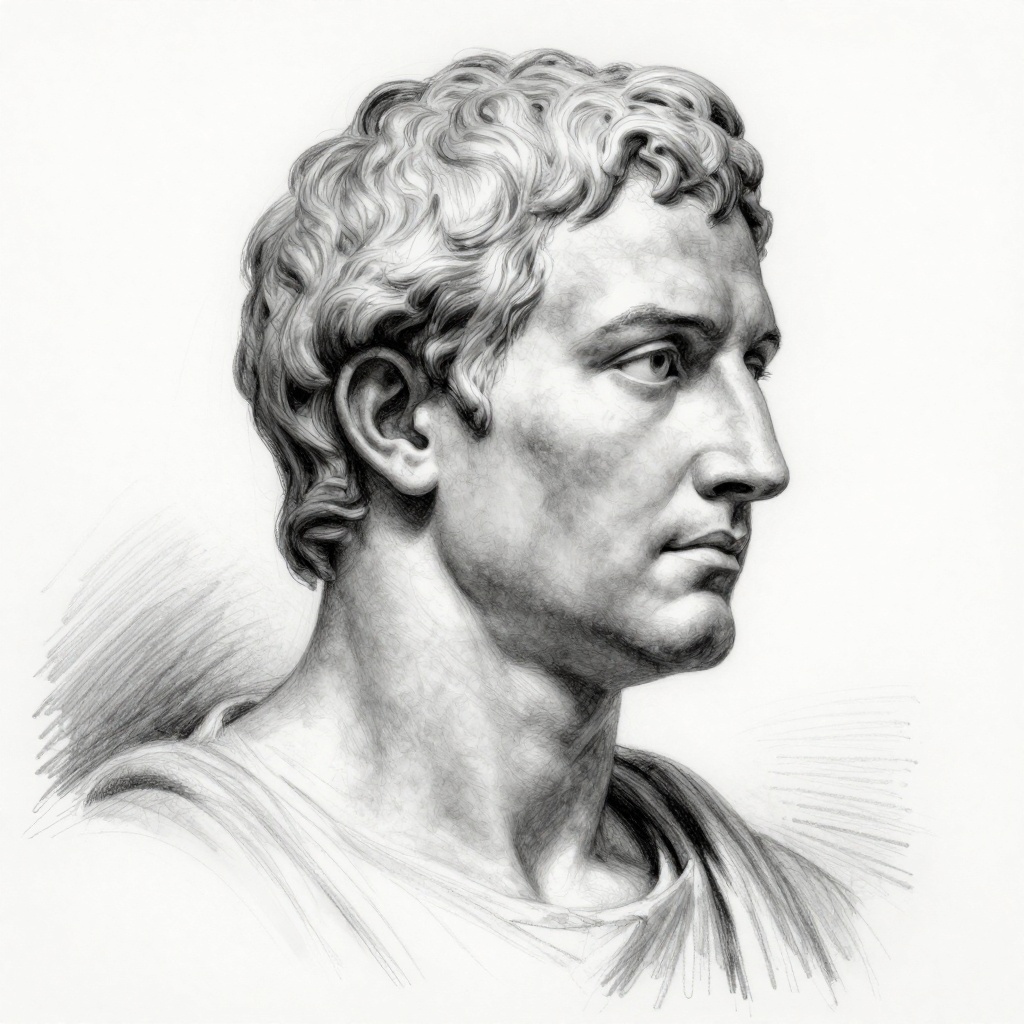
Antisthenes (c. 445–365 BCE) was a Greek philosopher and a prominent disciple of Socrates, known for founding the Cynic school of philosophy. He emphasized virtue, self-sufficiency, and asceticism, advocating for a life in accordance with nature and criticizing the materialism of society. His teachings laid the groundwork for later Cynics, including Diogenes of Sinope.
Comments