Quote · Added 14 February 2026
As iron is eaten away by rust, so the envious are consumed by their own passion.
AntisthenesFragments, p. 45, 2000
No ratings yet
Filed underenvy·passion·consequence
Quote · Added 14 February 2026
Filed underenvy·passion·consequence
Envy has this strange quality where it pretends to be about the other person's success, but it's really eating you from the inside out. You're focused on what someone else has or achieved, but the actual damage is happening to you—your mood sours, your energy depletes, your ability to enjoy your own life gets corroded. It's like spending all your time inspecting someone else's house while your own slowly falls apart.
The rust metaphor is perfect because rust doesn't harm the thing that causes it; it harms the iron itself. When you're envious, you're the iron. The other person goes about their day mostly unaffected, while you're the one being consumed. And here's the tricky part: envy often masquerades as ambition or motivation. You might think being envious will push you to work harder, but it actually works the opposite way. It paralyzes you with resentment instead of channeling you toward your own goals.
The practical insight is that envy is a tax you pay to yourself. Breaking free isn't about becoming noble or pure—it's recognizing that every minute spent resenting someone else's advantage is a minute stolen from building your own life. The people who move forward fastest aren't the ones who don't feel envy; they're the ones who recognize it quickly and redirect that energy toward something real.
d. 360
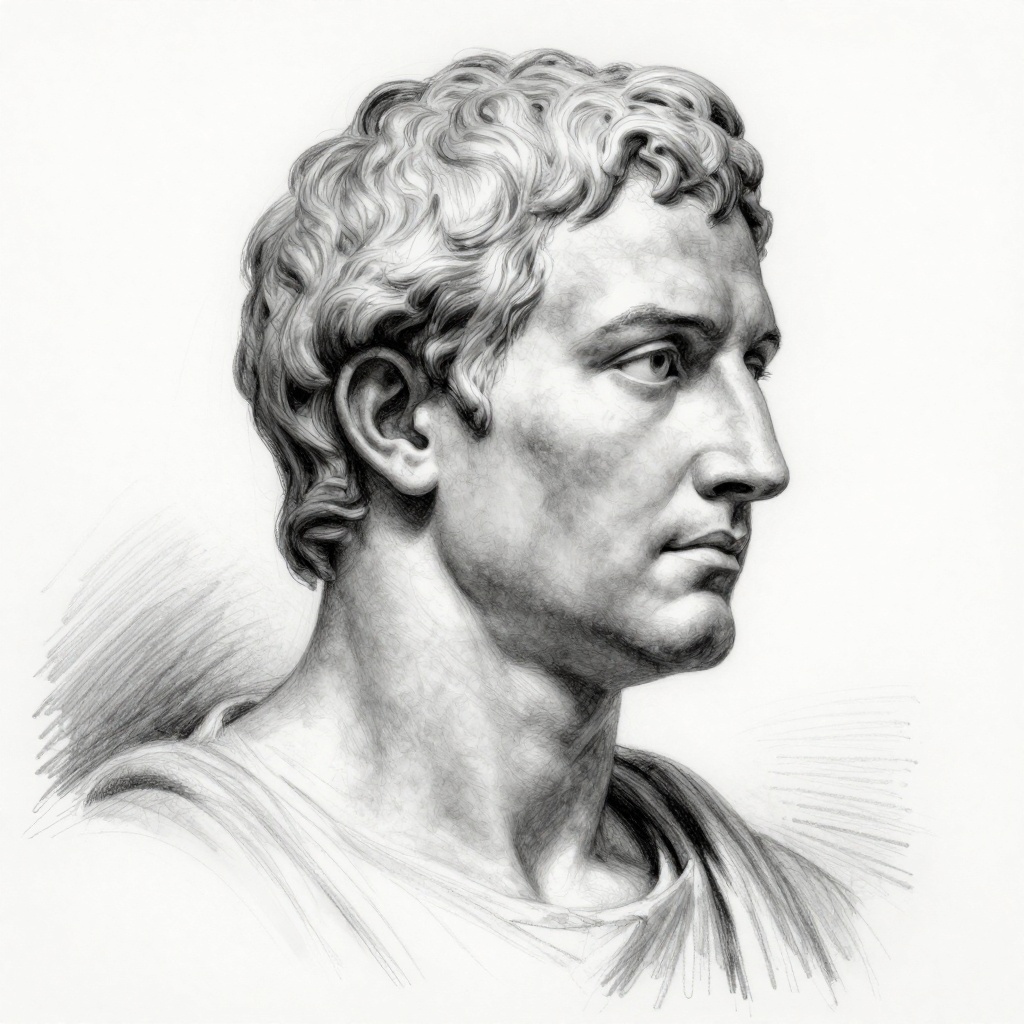
Antisthenes (c. 445–365 BCE) was a Greek philosopher and a prominent disciple of Socrates, known for founding the Cynic school of philosophy. He emphasized virtue, self-sufficiency, and asceticism, advocating for a life in accordance with nature and criticizing the materialism of society. His teachings laid the groundwork for later Cynics, including Diogenes of Sinope.
Comments