Quote · Added 10 July 2026
If you see your friend with your enemy, be sure that both are your enemy. One openly, the other secretly.
Niccolò MachiavelliThe Prince, Chapter 20, 1532
No ratings yet
Filed underenemy·friendship·betrayal
Quote · Added 10 July 2026
Filed underenemy·friendship·betrayal
This quote lands differently in our connected age. We see it play out constantly on social media—when someone you trusted suddenly appears in photos with someone who's caused you harm, or when a colleague gets friendly with the person who undermined you. The sting isn't just about betrayal; it's about the unsettling realization that loyalty might have been more conditional than you thought.
What makes this insight particularly modern is how it cuts through the performance of friendship. We often tell ourselves that maintaining ties across social divides is sophisticated or mature. But Machiavelli's point is starker: there's a difference between being diplomatic and being compromised. If someone is genuinely aligned with you, they don't need to maintain an active, social relationship with someone actively working against you. The secret enemy here isn't necessarily the friend—it's the friend's willingness to entertain the arrangement at all.
That said, the quote can tip into paranoia if you're not careful. Not every neutral conversation or photo is a conspiracy. But it does suggest something worth noticing: watch how people actually allocate their time and closeness, not just what they claim to believe. Actions create their own clarity, even when motives stay murky.
1469–1527·lived 58 years
Niccolò Machiavelli (1469–1527) was an Italian diplomat, politician, and philosopher during the Renaissance. He is best known for his political treatise "The Prince," which explores the idea that the ends justify the means in politics, leading to the term "Machiavellian" being used to describe cunning and deceitful behavior in political affairs.
Also by Niccolò Machiavelli
Never play fair in a game where others cheat.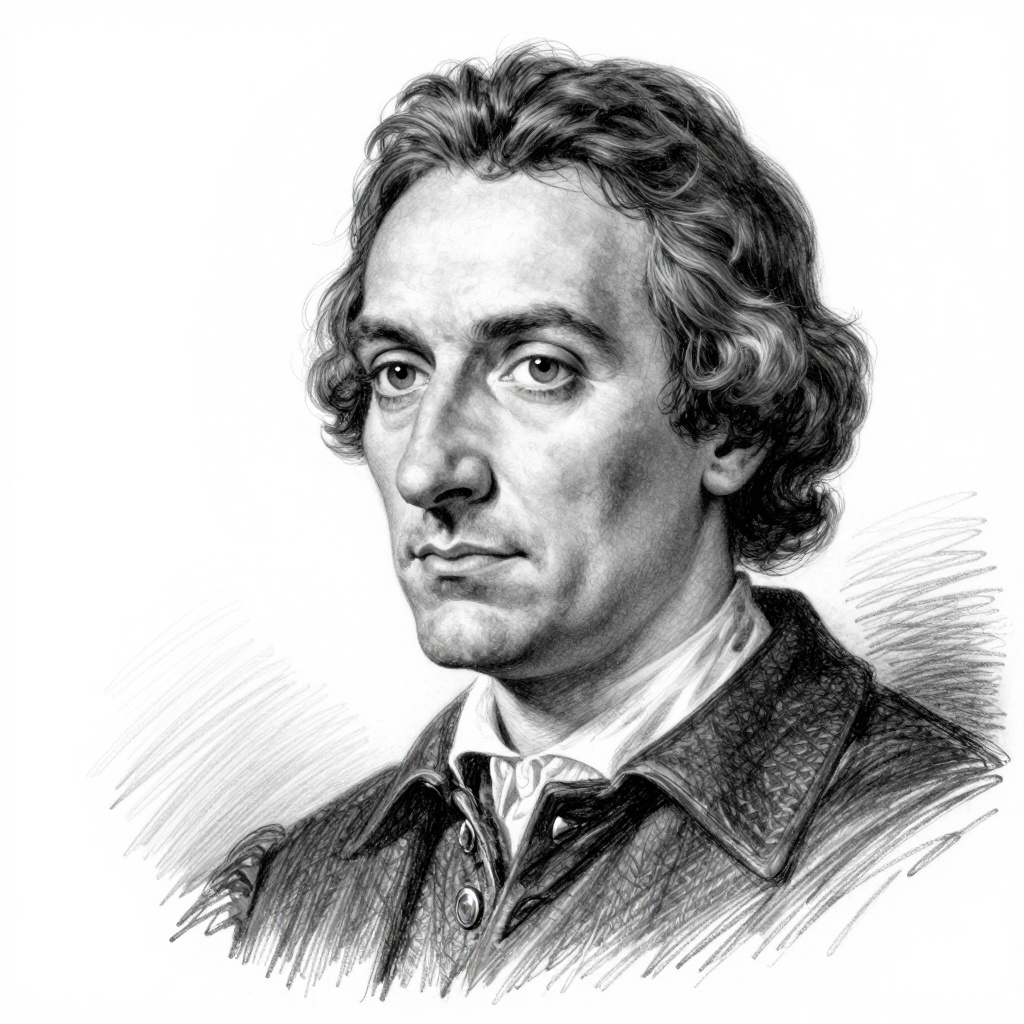
Comments