Quote · Added 14 February 2026
It is not titles that honor men, but men that honor titles.
Niccolò MachiavelliThe Prince, p. 25, 1532
No ratings yet
Quote · Added 14 February 2026
We live in an age obsessed with credentials and labels. We assume that getting the promotion, earning the degree, or landing the prestigious job will finally make us matter. But this quote flips that entirely. A title on a business card doesn't automatically make someone worth listening to—the person holding it does.
Think about the people you actually respect. It's rarely because of what their job description says. It's because of how they treat people, whether they follow through on promises, or if they actually know what they're talking about. You've probably met someone with an impressive title who seemed hollow, and someone without much official standing who commanded genuine authority just by being thoughtful or honest. That's what Machiavelli is really pointing at.
The practical implication matters now more than ever. In a world where anyone can claim expertise online, where job titles inflate endlessly, and where authority gets questioned constantly, your actual character and competence are what stick around. If you're chasing a title hoping it will transform how people see you, you're working backwards. It's the daily choices—how you listen, how you problem-solve, whether you keep your word—that actually gives any position meaning. The title just gets to ride along.
1469–1527·lived 58 years
Niccolò Machiavelli (1469–1527) was an Italian diplomat, politician, and philosopher during the Renaissance. He is best known for his political treatise "The Prince," which explores the idea that the ends justify the means in politics, leading to the term "Machiavellian" being used to describe cunning and deceitful behavior in political affairs.
Also by Niccolò Machiavelli
If you see your friend with your enemy, be sure that both are your enemy. One openly, the...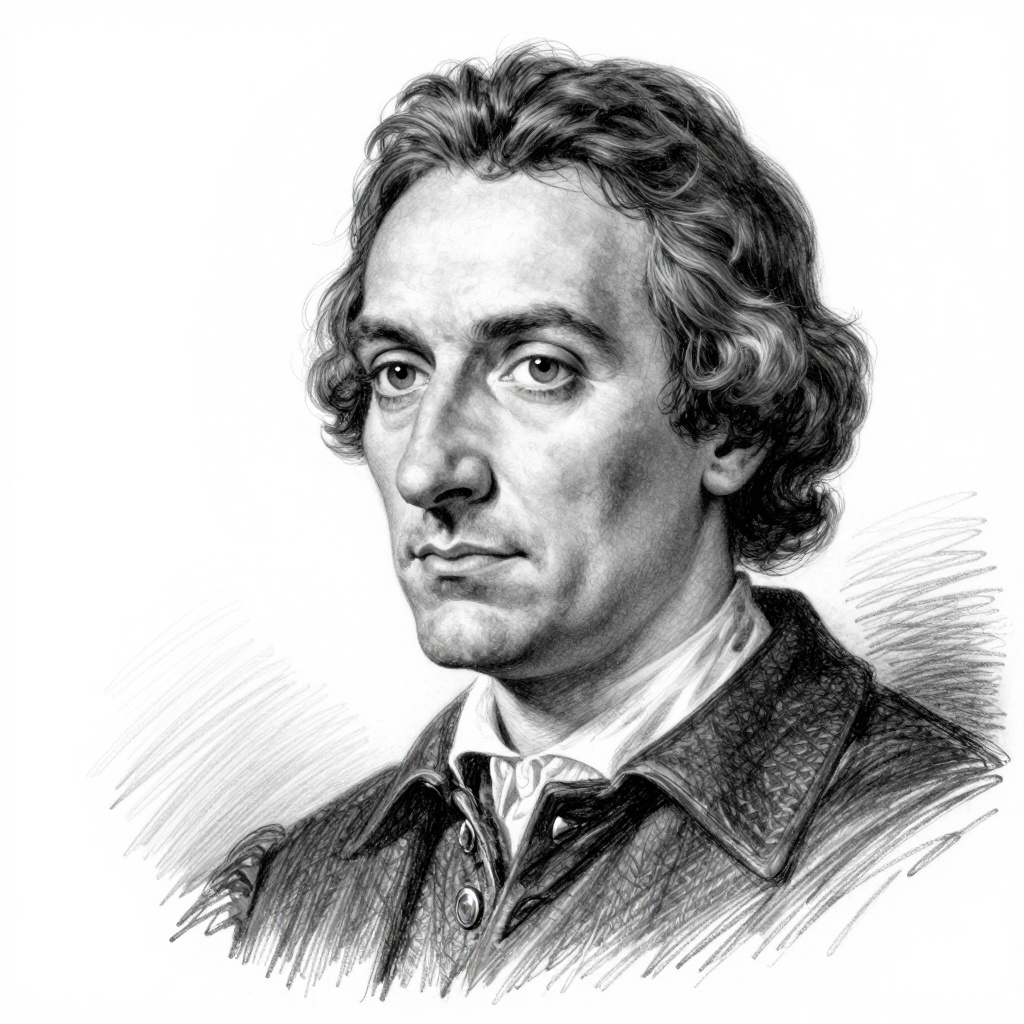
Comments