Quote · Added 14 February 2026
The gambling known as business looks with austere disfavor upon the business known as gambling.
Ambrose BierceThe Devil's Dictionary, 1911
Quote · Added 14 February 2026
There's something darkly funny about how respectable industries treat gambling—with moral superiority—when they're often running the same game themselves. A stock trader making a calculated bet on quarterly earnings isn't fundamentally different from someone at a poker table, except one happens in an office tower and the other in a casino. Both involve risk, incomplete information, and the hope that you know something others don't.
But respectability depends on framing. Business wraps uncertainty in spreadsheets and calls it strategy. Gambling admits the uncertainty and calls it chance. That distinction lets us sleep better at night—we're not gambling with our retirement savings, we're investing. We're not betting on a hunch, we're making a data-driven decision. The language we use shapes how we see ourselves, even when the underlying activity is identical: putting money down and hoping the future breaks your way.
The real insight here isn't that business is secretly gambling. It's that we've all become comfortable with risk in ways our grandparents might have called reckless—we've just gotten very good at calling it something else. That rebranding lets society function, sure. But it also means we might be less honest about how much of life actually depends on luck, timing, and forces beyond our control.
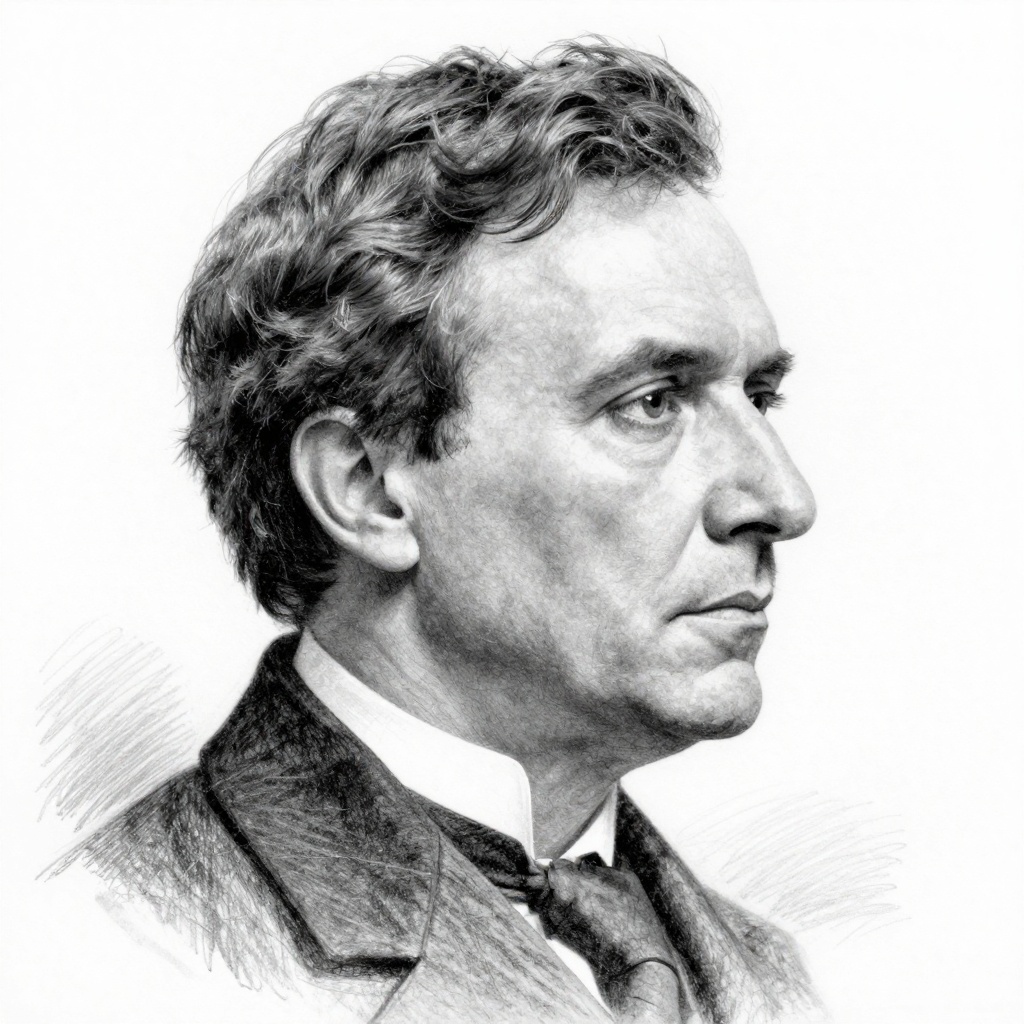
1842–1914·lived 72 years
Ambrose Bierce was an American writer and journalist known for his satirical wit and dark humor. He served as a soldier in the Union Army during the American Civil War, an experience which influenced his writing. Bierce is best known for his short stories such as "An Occurrence at Owl Creek Bridge" and his biting critique of society in works like "The Devil's Dictionary."
Comments