Quote · Added 7 March 2026
Reading
AI generatedRestraint as the Harder Choice
Most of us are trained to make a decision, any decision, rather than sit in uncertainty. We're wired to choose, to act, to move forward. But Bierce's advice cuts against that instinct in a way that feels almost radical: when you're genuinely unsure, the bravest thing isn't to pick a side and commit. It's to step back.
The tricky part is distinguishing real doubt from just normal pre-decision jitters. If you're uncertain because you haven't thought it through, that's different from the kind of doubt that nags at you even after reflection. When you keep circling back to the same concern, when something feels off but you can't quite name why—that's when abstaining becomes wisdom instead of cowardice. It buys you time to gather information, to sleep on it, to let your gut settle.
What makes this especially relevant now is how much our lives reward snap judgments and commitments. We're pushed to take a stand, pick a team, make the leap. But some of the best decisions people make come from restraint—from saying "I'm not ready" rather than forcing a choice they'll regret. Abstaining isn't giving up. It's honoring the fact that not every moment demands your immediate participation.
The author
All 15 quotes by Ambrose Bierce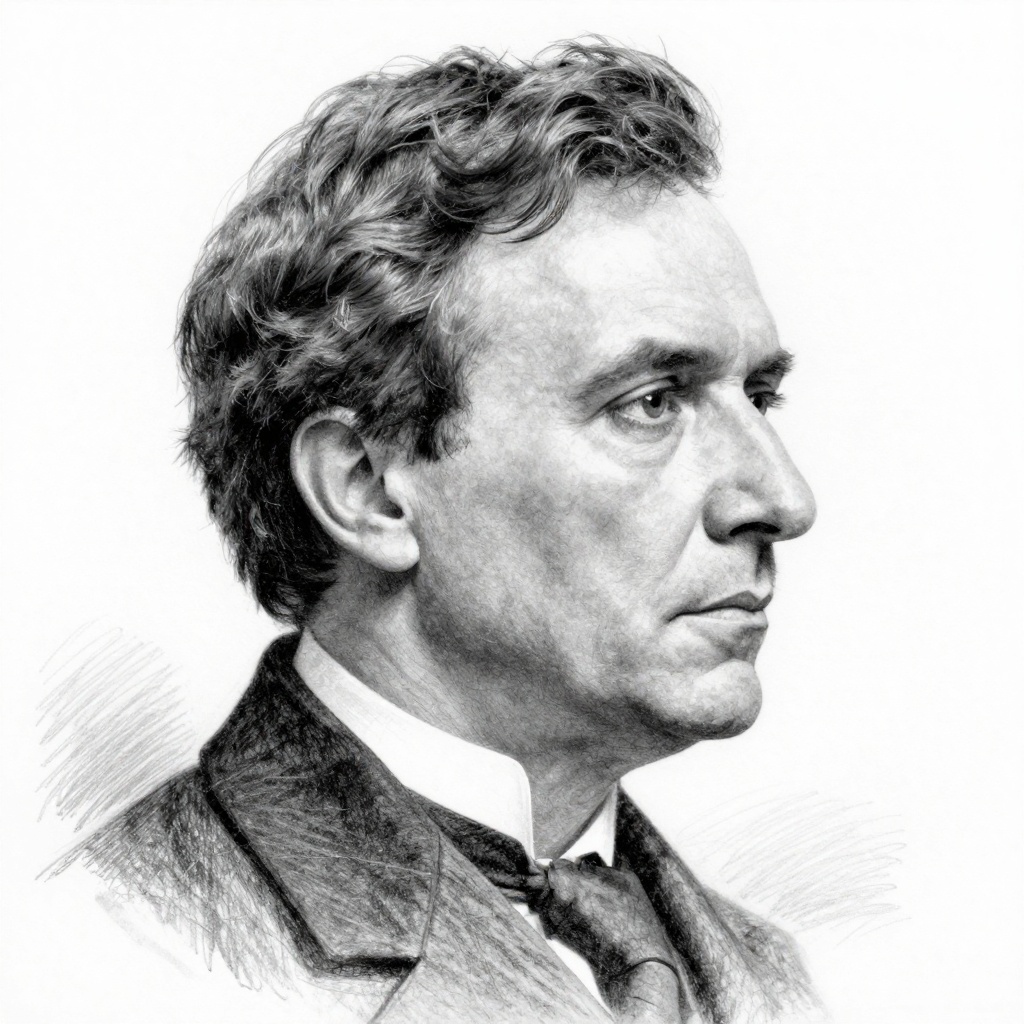
Ambrose Bierce
1842–1914·lived 72 years
Ambrose Bierce was an American writer and journalist known for his satirical wit and dark humor. He served as a soldier in the Union Army during the American Civil War, an experience which influenced his writing. Bierce is best known for his short stories such as "An Occurrence at Owl Creek Bridge" and his biting critique of society in works like "The Devil's Dictionary."
Comments