Quote · Added 11 April 2026
Reading
AI generatedTrading safety for something that matters
There's something deliciously honest about this definition. Bierce isn't wrong—the moment you create something and show it to the world, you've essentially volunteered for judgment. But what makes this observation sting a little is recognizing how universal this tension really is. You finish a project at work and send it to your boss. You write something personal and share it with a friend. You post a photo online. Each time, you're trading the safety of privacy for the possibility of criticism.
The clever part is that Bierce captures something most of us feel but don't say out loud: that making anything—whether it's art, a business idea, or even just decorating your home—requires a kind of courage. You're not just creating; you're putting yourself in a position to be evaluated. The irony is that this vulnerability is actually what makes the work matter. A painting that no one sees, that no one critiques, might be protected from judgment, but it's also protected from meaning anything to anyone else.
The real insight isn't pessimistic, though. It's that if you care enough about something to expose it to critics, you've already decided it matters more than staying safe. And that's where actual growth begins.
The author
All 15 quotes by Ambrose Bierce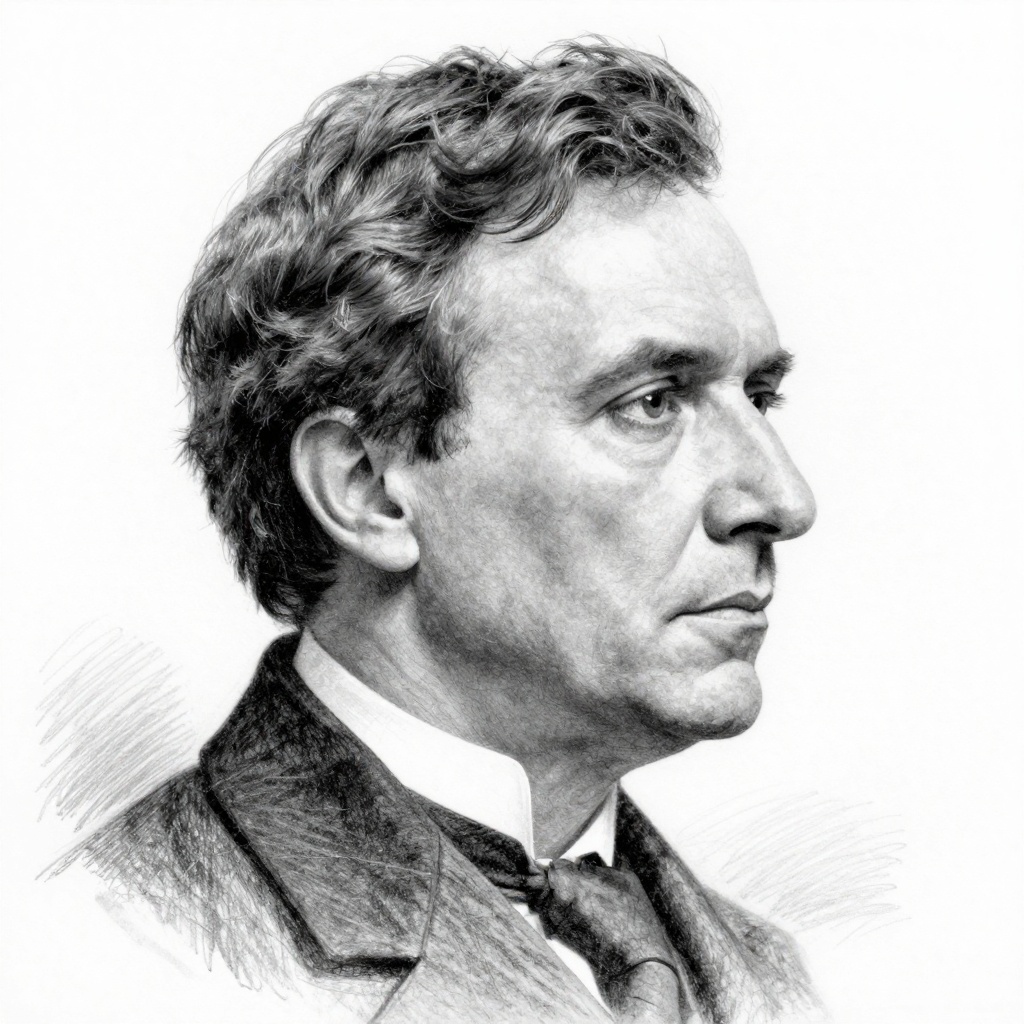
Ambrose Bierce
1842–1914·lived 72 years
Ambrose Bierce was an American writer and journalist known for his satirical wit and dark humor. He served as a soldier in the Union Army during the American Civil War, an experience which influenced his writing. Bierce is best known for his short stories such as "An Occurrence at Owl Creek Bridge" and his biting critique of society in works like "The Devil's Dictionary."
Also by Ambrose Bierce
When you doubt, abstain.
Comments