Quote · Added 28 February 2026
Photograph: a picture painted by the sun without instruction in art.
Filed underphotograph·art·nature
Quote · Added 28 February 2026
Filed underphotograph·art·nature
There's something liberating about this way of thinking about photography—the idea that the camera is just capturing what's already there, without the photographer's hand actually making marks or choices the way a painter does. It sounds humble, almost mechanical. But here's the thing that sneaks up on you: if the sun is doing the painting, then what's really being captured is light itself, and light doesn't lie or show off. It just reveals.
In a world where we're now obsessed with filters, editing, and perfectly curated images, Bierce's observation feels almost rebellious. He's pointing out that photography has an unintentional honesty—you can't fake what the light caught in that exact moment. That doesn't mean photographs are truth, exactly. Framing, timing, and angle still matter enormously. But there's something refreshingly simple about the fact that you're not inventing the image; you're discovering it.
The real insight is that this "no instruction in art" quality is actually what makes photography so powerful. Because it feels natural, immediate, and undeniable in a way that a painted portrait can't quite match. The sun doesn't overthink. Maybe we shouldn't either—at least sometimes.
1842–1914·lived 72 years
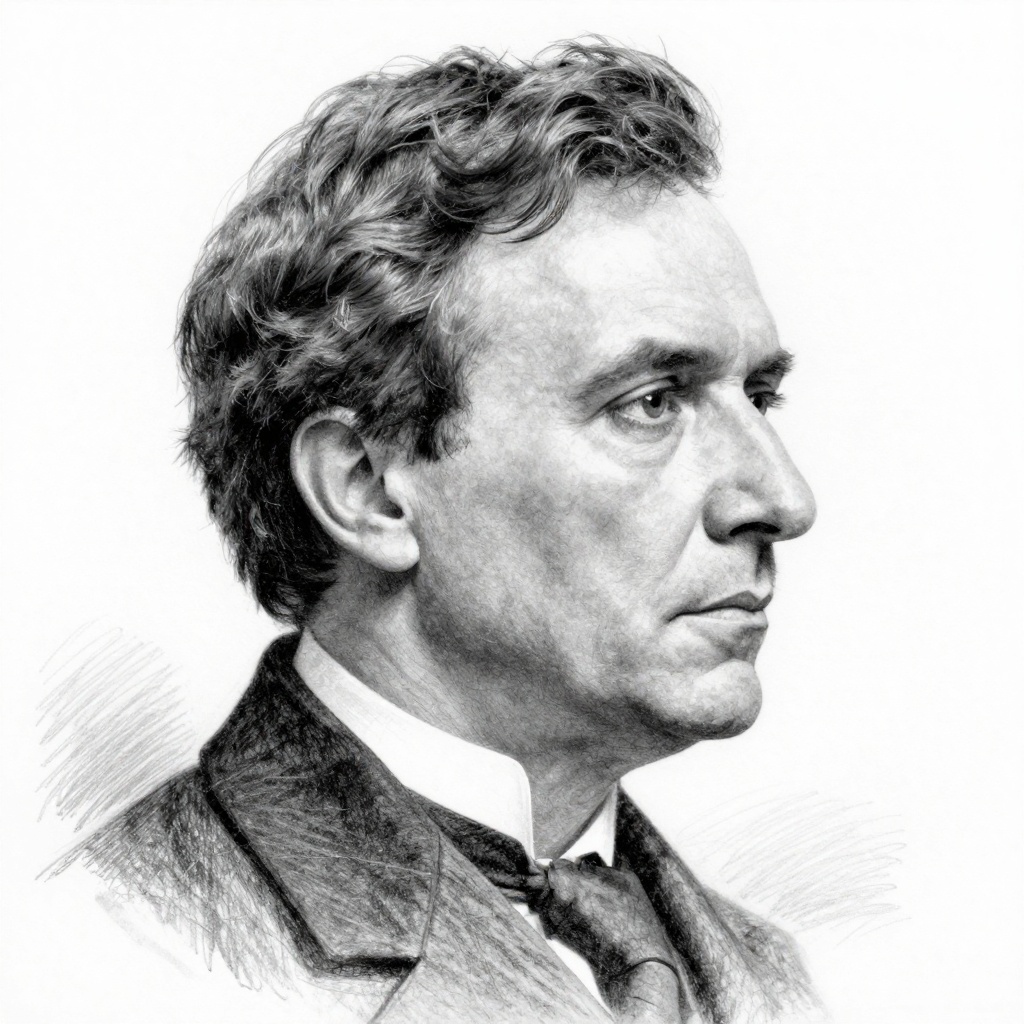
Ambrose Bierce was an American writer and journalist known for his satirical wit and dark humor. He served as a soldier in the Union Army during the American Civil War, an experience which influenced his writing. Bierce is best known for his short stories such as "An Occurrence at Owl Creek Bridge" and his biting critique of society in works like "The Devil's Dictionary."
Comments