Quote · Added 19 February 2026
Pray, v.: To ask that the laws of the universe be annulled on behalf of a single petitioner confessedly unworthy.
Filed underprayer·existential·humility
Quote · Added 19 February 2026
Filed underprayer·existential·humility
Bierce's definition cuts into something we don't usually admit: when we pray for something specific, we're kind of asking the world to bend. Not metaphorically—literally. We want the odds to shift, the outcome to change, the normal rules to make an exception just for us. And notice that "confessedly unworthy" part. We know we probably don't deserve special treatment. We're not naive about it. Yet we ask anyway.
This matters because most of us do pray, or something close to it—whether we're religious or just desperate. We ask for the promotion, the second chance, the diagnosis to be wrong. We're not asking for wisdom or patience or acceptance. We're asking for the universe to rearrange itself. Bierce isn't being mean about this; he's being precise. He's saying this is what the act actually is, stripped of ceremony.
The surprising part? He doesn't say it's absurd or pointless. He just defines it clearly, without judgment. Maybe that's the real insight: recognizing exactly what we're doing when we pray—asking for grace we haven't earned—doesn't make it less human or necessary. It just makes it honest. Sometimes honesty about what we're actually doing is more powerful than pretending it's something more dignified.
1842–1914·lived 72 years
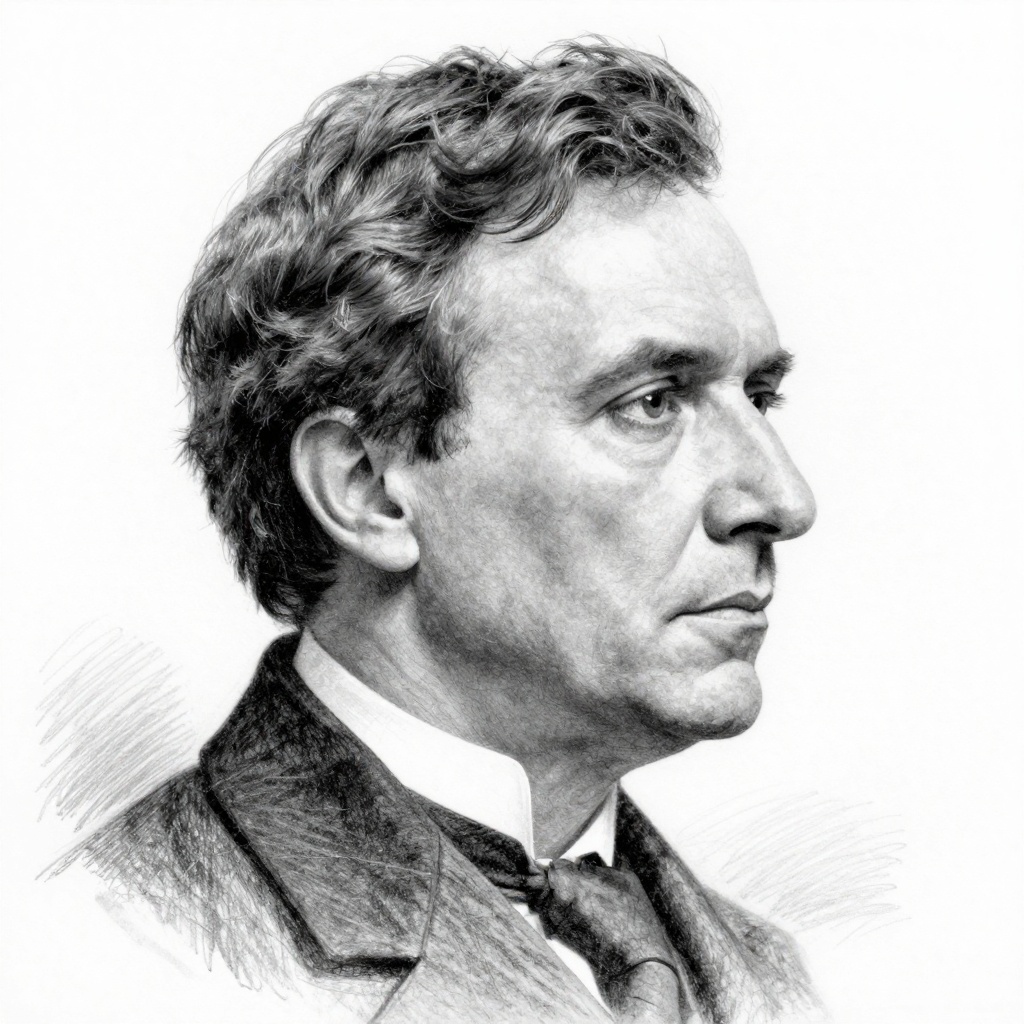
Ambrose Bierce was an American writer and journalist known for his satirical wit and dark humor. He served as a soldier in the Union Army during the American Civil War, an experience which influenced his writing. Bierce is best known for his short stories such as "An Occurrence at Owl Creek Bridge" and his biting critique of society in works like "The Devil's Dictionary."
Comments