Quote · Added 14 February 2026
Inventor: A person who makes an ingenious arrangement of wheels, levers and springs, and believes it civilization.
Ambrose BierceThe Devil's Dictionary, 1911
Filed underinventor·ingenuity·civilization
Quote · Added 14 February 2026
Filed underinventor·ingenuity·civilization
There's a delicious sting to this definition, but it points at something real about how we mistake complexity for progress. We've all fallen for it—the newer phone with more features we'll never use, the productivity system so elaborate it becomes its own job, the startup that solves a problem nobody had. We see intricate mechanism and assume it must be an upgrade.
The joke cuts deeper though. Bierce is really asking what we actually mean by "civilization"—and whether our compulsion to tinker, optimize, and build cleverer contraptions actually makes life better or just busier. Sometimes a simpler tool does the job. Sometimes the best invention is knowing when to stop inventing. We're surrounded by people (and systems, and apps) that have convinced themselves that more moving parts equals more value, when really they've just created more things that can break.
The challenge isn't to stop inventing. It's to stay honest about why we're doing it—whether it's genuine improvement or just the satisfying hum of activity. Real civilization might be knowing the difference.
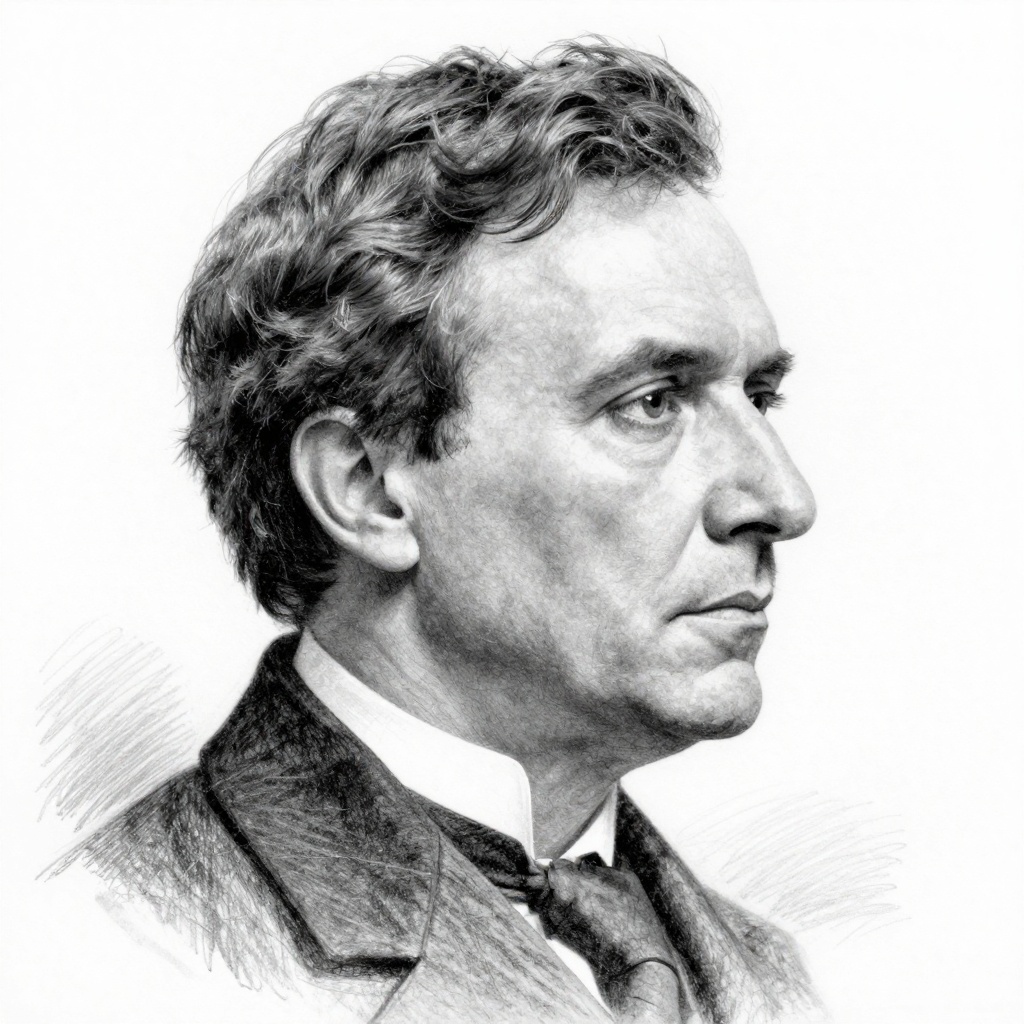
1842–1914·lived 72 years
Ambrose Bierce was an American writer and journalist known for his satirical wit and dark humor. He served as a soldier in the Union Army during the American Civil War, an experience which influenced his writing. Bierce is best known for his short stories such as "An Occurrence at Owl Creek Bridge" and his biting critique of society in works like "The Devil's Dictionary."
Comments