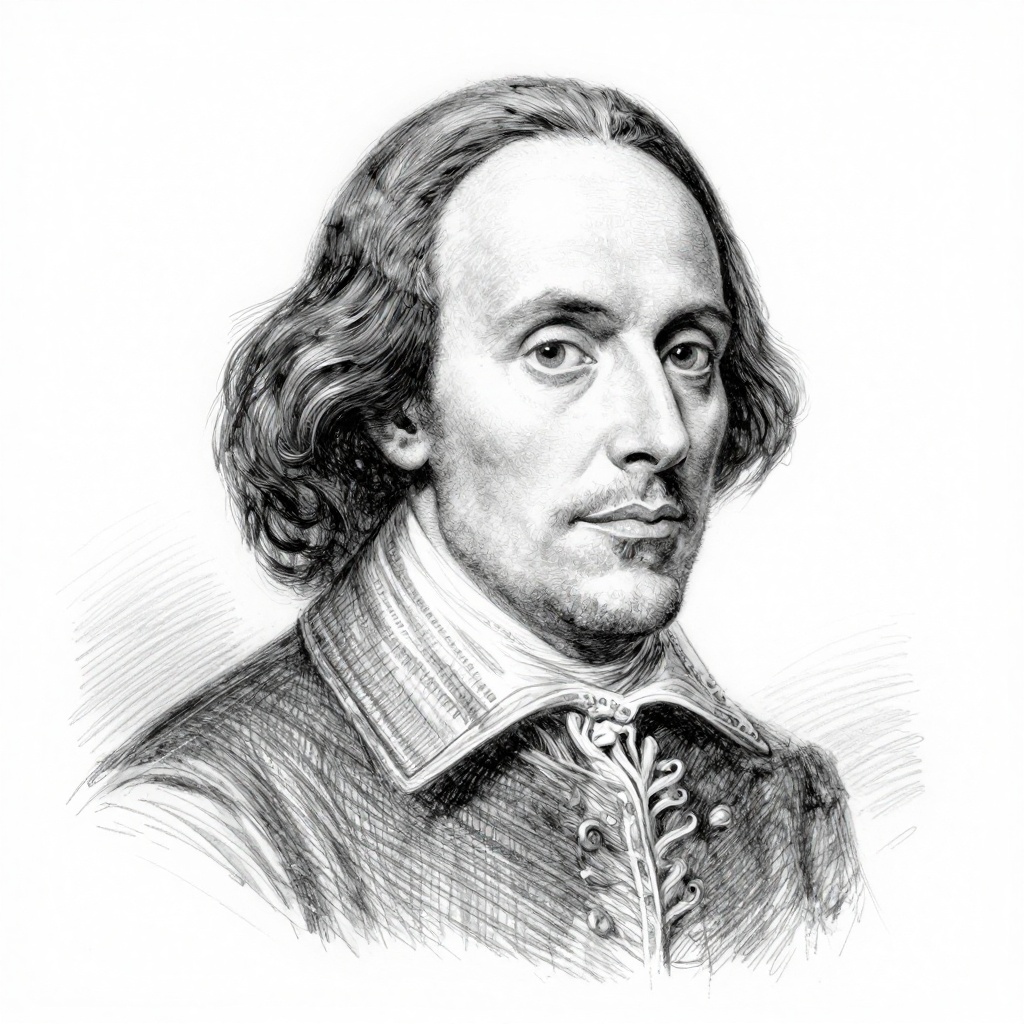
There is a tide in the affairs of men, Which taken at the flood, leads on to fortune. Omitted, all the voyage... — William Shakespeare

There is a tide in the affairs of men, Which taken at the flood, leads on to fortune. Omitted, all the voyage of their life is bound in shallows and in miseries. On such a full sea are we now afloat. And we must take the current when it serves, or lose our ventures.

Author: William Shakespeare

Insight: We all recognize that feeling—when circumstances align just right and suddenly a door opens that won't stay open forever. Shakespeare captures something real about timing that modern life hasn't made obsolete, even though we like to think hard work alone determines success. The truth is messier. Sometimes you're ready when opportunity arrives, sometimes you're not. Sometimes the opportunity never comes. And sometimes it comes and goes while you're still deciding whether to move. What's striking is that Shakespeare doesn't frame this as about being fearless or ambitious. It's about recognizing when conditions are actually favorable and having the clarity to act. We spend a lot of energy on things that matter less—grinding on strategies that stopped working months ago, waiting for the "perfect" moment that never comes. But a tide is real. Wind conditions matter. You can want something desperately and still miss it because you didn't recognize when the actual moment arrived. The harder part isn't the dramatic leap when opportunity shows up. It's developing the awareness to notice when you're actually at a full sea—to distinguish real momentum from wishful thinking—and then having enough nerve to trust it. Most people regret the ventures they didn't take more than the ones that failed.

Source: Julius Caesar, IV.iii

When the tide actually arrives

There is a tide in the affairs of men, Which taken at the flood, leads on to fortune. Omitted, all the voyage of their life is bound in shallows and in miseries. On such a full sea are we now afloat. And we must take the current when it serves, or lose our ventures.

William ShakespeareJulius Caesar, IV.iii

We all recognize that feeling—when circumstances align just right and suddenly a door opens that won't stay open forever. Shakespeare captures something real about timing that modern life hasn't made obsolete, even though we like to think hard work alone determines success. The truth is messier. Sometimes you're ready when opportunity arrives, sometimes you're not. Sometimes the opportunity never comes. And sometimes it comes and goes while you're still deciding whether to move.

What's striking is that Shakespeare doesn't frame this as about being fearless or ambitious. It's about recognizing when conditions are actually favorable and having the clarity to act. We spend a lot of energy on things that matter less—grinding on strategies that stopped working months ago, waiting for the "perfect" moment that never comes. But a tide is real. Wind conditions matter. You can want something desperately and still miss it because you didn't recognize when the actual moment arrived.

The harder part isn't the dramatic leap when opportunity shows up. It's developing the awareness to notice when you're actually at a full sea—to distinguish real momentum from wishful thinking—and then having enough nerve to trust it. Most people regret the ventures they didn't take more than the ones that failed.

AI generated

Comments

Sign in to leave a comment or reply to one.

Sign in

William Shakespeare

William Shakespeare was an English playwright and poet, widely regarded as one of the greatest writers in the English language. Known for his iconic works such as "Romeo and Juliet," "Hamlet," and "Macbeth," Shakespeare's plays continue to be performed and studied around the world, showcasing his profound understanding of human nature and his timeless storytelling.

Graph

Related