Quote · Added 16 February 2026
Reading
AI generatedThe exhausting cost of pretending
We hear this line so often it's almost lost its teeth—but the original sting is worth recovering. Shakespeare wasn't just saying "be yourself." He was writing about something harder: the cost of pretending, the exhausting work of maintaining a false front, the way dishonesty with ourselves spreads like a crack through everything else we do.
The tricky part nobody mentions is that being true to yourself requires actually knowing yourself first. Most of us are moving too fast to notice what we actually want versus what we think we should want. We absorb other people's expectations so thoroughly they start feeling like our own desires. So this isn't permission to do whatever feels good in the moment—it's an invitation to do the uncomfortable work of figuring out who you actually are, beneath the performance.
What makes this still matter today is that we've somehow made authenticity harder, not easier. We curate ourselves across multiple platforms. We're encouraged to be "on brand," to optimize ourselves for other people's consumption. But the people who seem genuinely at peace tend to share something in common: they've stopped trying to be impressive and started being honest. Not brutal or unkind—just real. That alignment between what you think, say, and do creates a kind of quiet strength.
The author
All 81 quotes by William Shakespeare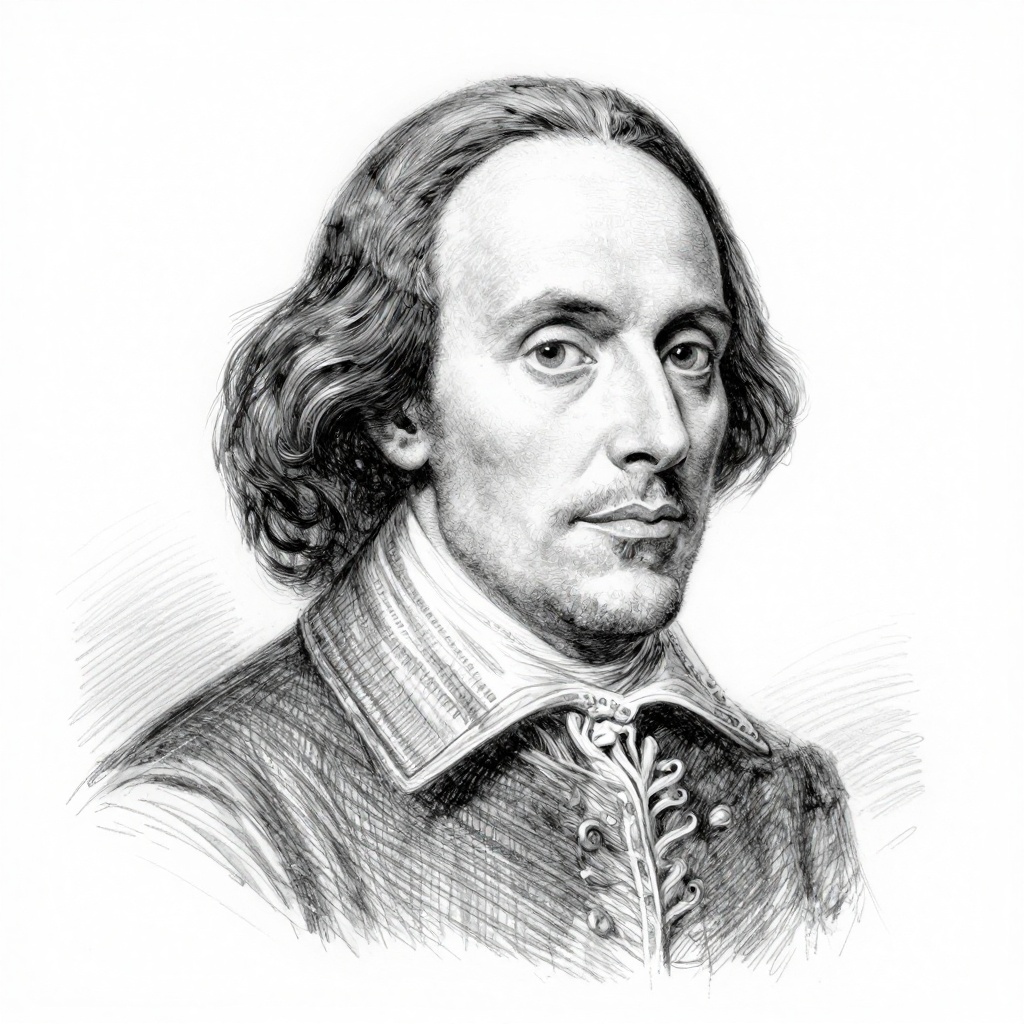
William Shakespeare
1564–1616·lived 52 years
William Shakespeare was an English playwright and poet, widely regarded as one of the greatest writers in the English language. Known for his iconic works such as "Romeo and Juliet," "Hamlet," and "Macbeth," Shakespeare's plays continue to be performed and studied around the world, showcasing his profound understanding of human nature and his timeless storytelling.
Also by William Shakespeare
Life is a tale told by an idiot, full of sound and fury, signifying nothing.
Comments