Quote · Added 20 March 2026
That was a man indeed!
Filed underman·admiration·integrity
Quote · Added 20 March 2026
Filed underman·admiration·integrity
When Shakespeare has a character say this, it's never really about physical strength or some obvious display of power. It's usually about someone who did the harder thing—who kept their word when it cost them, who admitted they were wrong, who stood by someone unpopular, or who faced down their own fear without pretending it wasn't there.
We still talk this way. We see someone handle a messy situation with honesty instead of spin, or admit failure instead of making excuses, and we feel something shift. There's a quiet respect that comes from watching someone actually live by their own values when it would've been easier not to. It's rarer than we'd like to admit, which is probably why we notice it so sharply when we see it.
The twist is that real dignity often looks smaller than we expect. It's not the dramatic grand gesture. It's the person who says "I don't know" in a meeting full of people performing confidence. It's choosing to be trustworthy instead of impressive. That recognition—that was a man indeed—comes from seeing someone choose integrity when nobody would've blamed them for taking the shortcut. That's what makes us sit up and notice.
1564–1616·lived 52 years
William Shakespeare was an English playwright and poet, widely regarded as one of the greatest writers in the English language. Known for his iconic works such as "Romeo and Juliet," "Hamlet," and "Macbeth," Shakespeare's plays continue to be performed and studied around the world, showcasing his profound understanding of human nature and his timeless storytelling.
Also by William Shakespeare
Life is a tale told by an idiot, full of sound and fury, signifying nothing.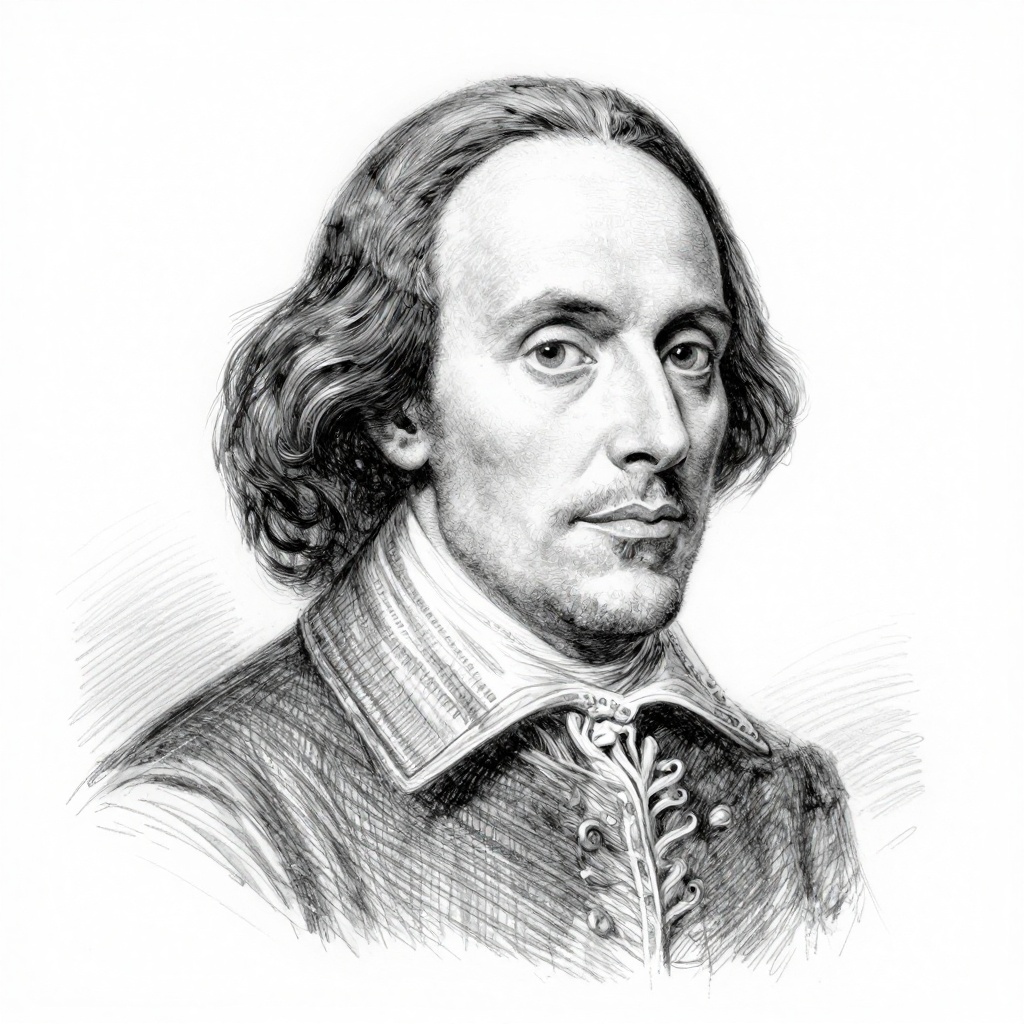
Comments