Quote · Added 17 March 2026
The fault, dear Brutus, is not in our stars, but in ourselves.
Filed underfate·responsibility·self
Quote · Added 17 March 2026
Filed underfate·responsibility·self
We live in an age of explanations. There's always something outside us to blame—the economy, our upbringing, the algorithm, bad timing, other people's choices. Shakespeare's line cuts through that by reminding us that while circumstances matter, we retain a stubborn amount of agency in how we respond to them. That's both the hardest and most liberating thing to admit.
The tricky part is distinguishing between real obstacles and the ones we construct. Sometimes a closed door really is closed. But often we stop knocking before anyone answers, or we convince ourselves the door is locked when we haven't actually tried the handle. The difference between "this is impossible" and "I haven't figured this out yet" is almost always within our control, even when our mood or self-doubt insists otherwise.
What makes this worth returning to isn't guilt or motivation—it's that the alternative is hopelessness. If everything truly is someone else's fault or outside our reach, then nothing changes. But if the problem partly lives in how we're approaching things, our habits, our decisions, our willingness to try again, then we actually have somewhere to start. That shift from victim to participant, even a small one, changes everything about what becomes possible next.
1564–1616·lived 52 years
William Shakespeare was an English playwright and poet, widely regarded as one of the greatest writers in the English language. Known for his iconic works such as "Romeo and Juliet," "Hamlet," and "Macbeth," Shakespeare's plays continue to be performed and studied around the world, showcasing his profound understanding of human nature and his timeless storytelling.
Also by William Shakespeare
Life is a tale told by an idiot, full of sound and fury, signifying nothing.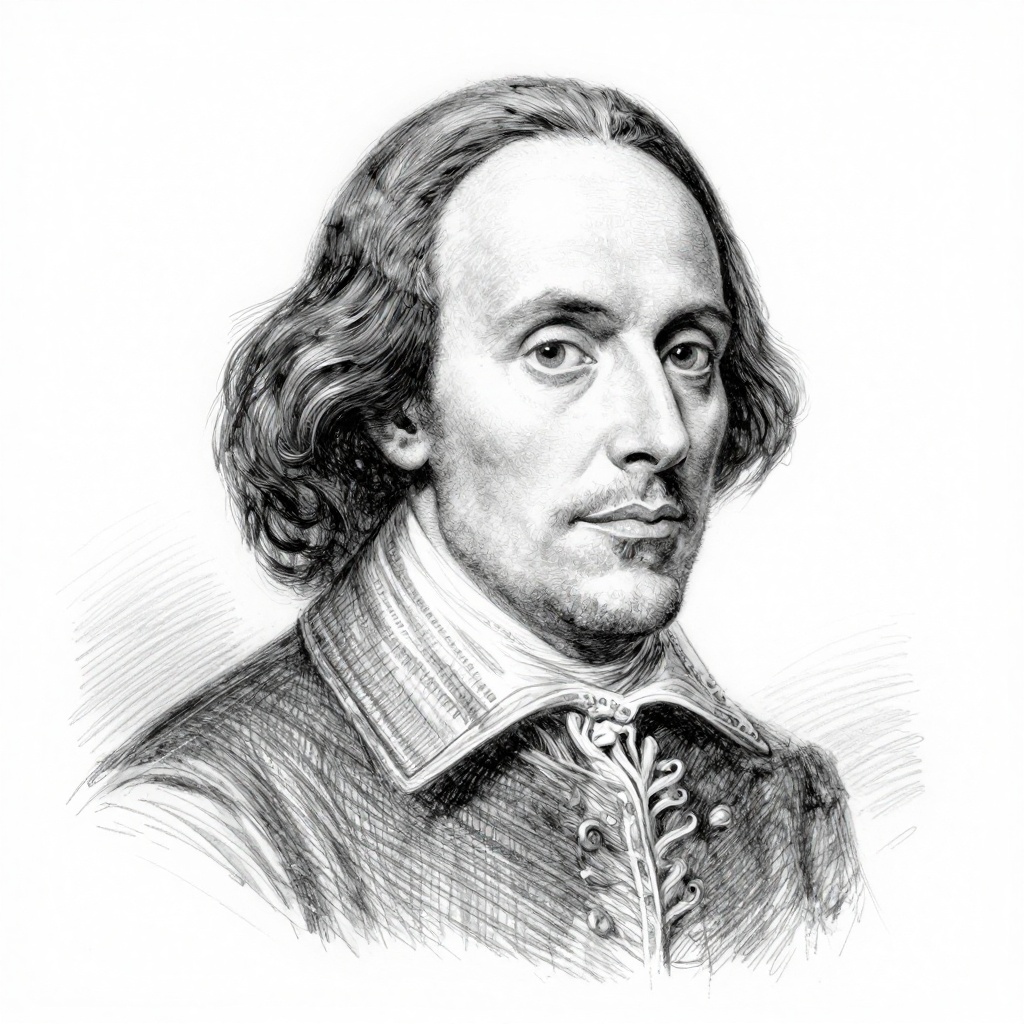
Comments