Quote · Added 5 July 2026
Now, with God's help, I shall become myself.
No ratings yet
Filed underself·transformation·faith
Quote · Added 5 July 2026
Filed underself·transformation·faith
There's something quietly radical about this statement: the idea that becoming yourself requires outside help. We're usually taught the opposite—that finding yourself means looking inward, trusting your gut, doing it solo. But Kierkegaard's pointing at something deeper. He's saying that the self you're supposed to become isn't just waiting inside you like a preset password. It has to be chosen, built, claimed.
That's why the help matters. Without some anchor—whether you call it God, purpose, conviction, or even just being accountable to something larger than your immediate comfort—it's easy to stay stuck in who you accidentally became. You drift along with whatever feels easiest, whatever others expect, whatever distraction is closest. Real selfhood requires struggle, choice, and often the willingness to look foolish or disappoint people. Most of us need something to lean on when that gets hard.
The strange part: you probably know someone who seemed to finally become themselves after hitting a wall or finding something they couldn't ignore. Not through endless self-help but through commitment, faith, or collision with reality. That's what Kierkegaard's capturing. Becoming yourself isn't an obvious journey. It's the one that asks something of you first.
1813–1855·lived 42 years
Søren Kierkegaard was a Danish philosopher, theologian, and writer, known as the "father of existentialism." He is esteemed for his profound and complex writings that explored themes of individuality, faith, and human experience, influencing numerous fields of thought including philosophy, psychology, and literature. Kierkegaard's works such as "Fear and Trembling" and "Either/Or" remain influential in contemporary philosophical discourse.
Also by Søren Kierkegaard
Life can only be understood going backward, but must be lived going forward.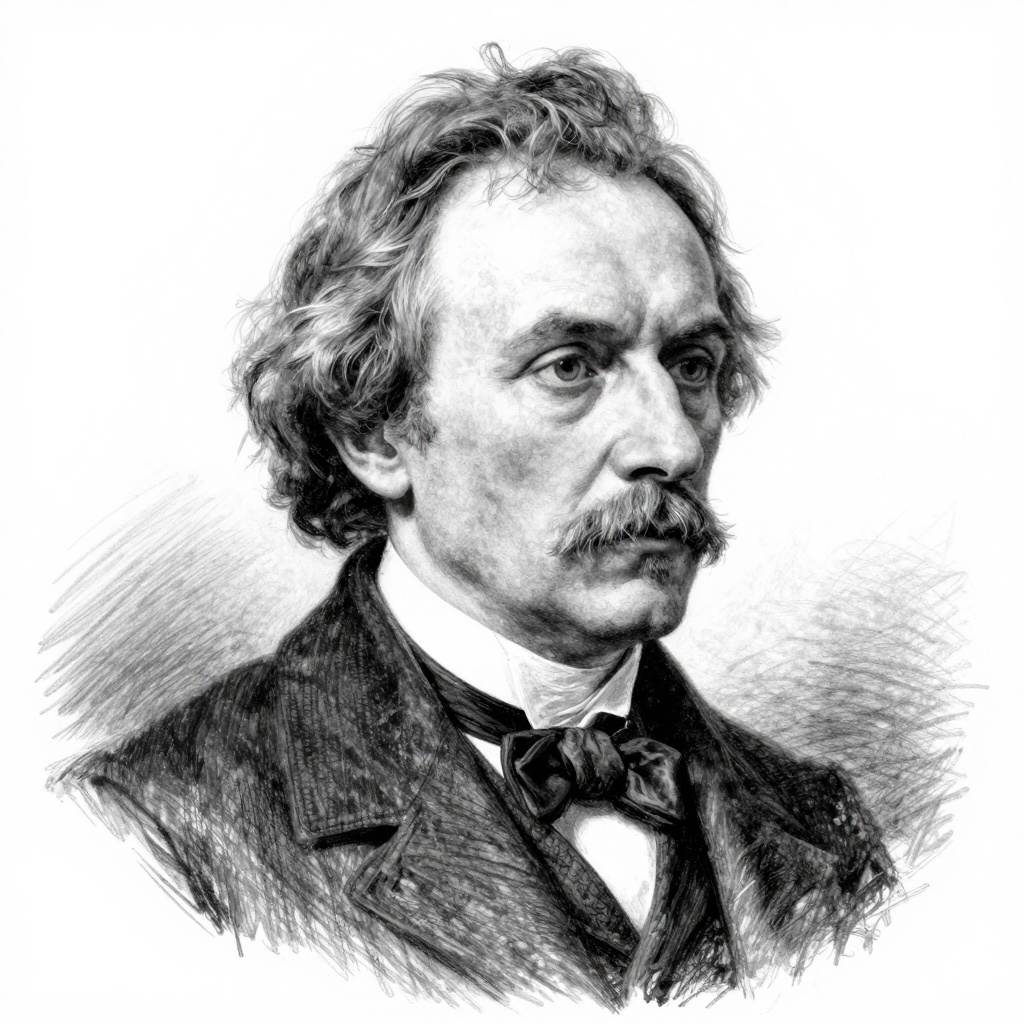
Comments